Germany’s Solar Power Capacity Reaches 104 Gigawatts
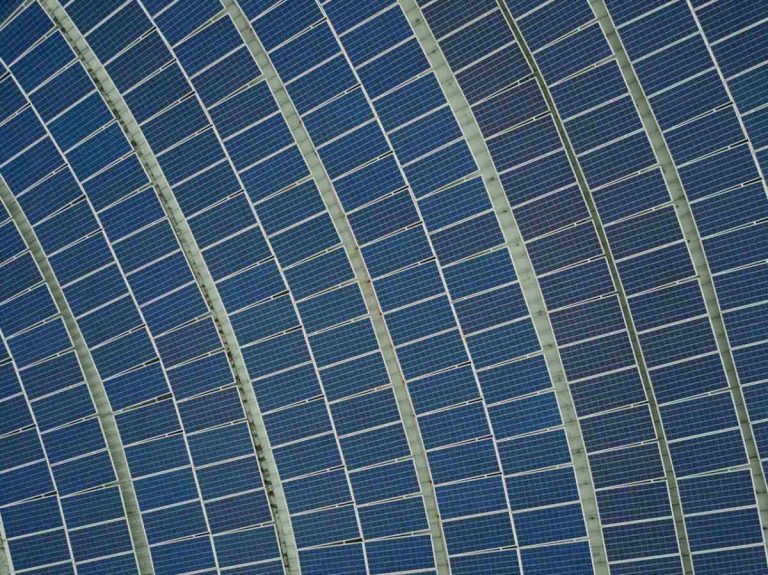
Germany has reached a significant milestone with over five million photovoltaic (PV) arrays now registered with the country’s grid agency, as reported by industry association BSW-Solar. These solar systems currently fulfil nearly 15 percent of Germany’s electricity needs, with more than one million new installations, totalling around 17 gigawatts, added just last year.
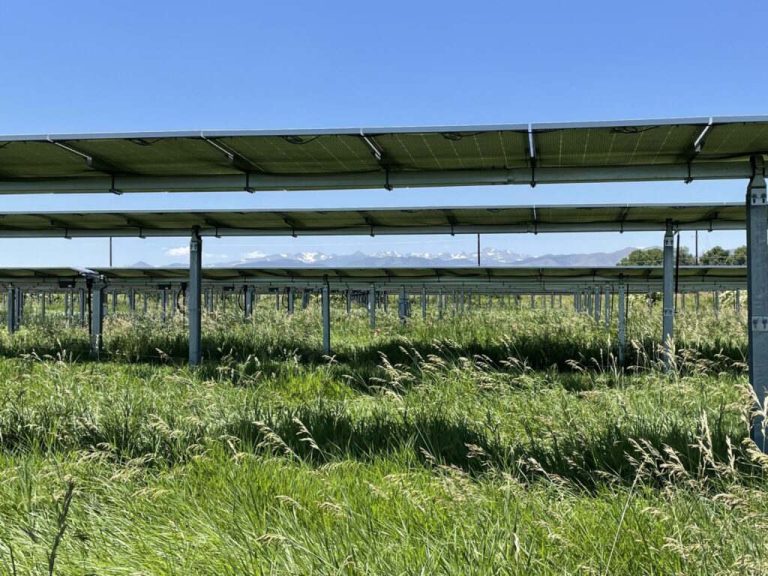
The existing 104 gigawatts of solar power capacity are distributed as follows: 38 percent on residential roofs, 29 percent on commercial roofs, and 32 percent in open areas. A small fraction, less than one percent, is situated on balconies, according to BSW-Solar.
Challenges and Future Goals
Carsten Körnig, the head of the lobby group, expressed concerns that the recent growth in solar installations may not be adequate to meet climate targets sustainably or cater to the increasing electricity demand alongside other renewable sources. He emphasised the need to accelerate the digitalisation of the energy transition for a more effective approach.
Germany’s Solar PV Strategy
Germany has prioritised solar PV as a crucial technology in its mission to decarbonise the nation’s energy sector. With a target to surpass 215 gigawatts by 2030, the country has already exceeded 100 gigawatts of installed PV capacity at the beginning of this year.
The rapid expansion of solar PV in Germany has raised concerns among energy firms regarding its impact on the grid infrastructure. Grid operator 50Hertz has called for a cautious strategy to prevent network overloads and ensure a smooth transition towards cleaner energy sources.