Funding for Solar Microgrids in Remote NSW Communities After Broken Hill Blackout
The New South Wales (NSW) government has announced a $3 million investment aimed at exploring the implementation of solar and battery-operated microgrids in the state’s most isolated areas, particularly following the power outage experienced in Broken Hill and the far west in 2024.
This funding will assist Essential Energy, the regional network operator, in determining the requirements for new technologies needed to generate and store energy in communities that frequently face prolonged power interruptions.
Strengthening Energy Reliability
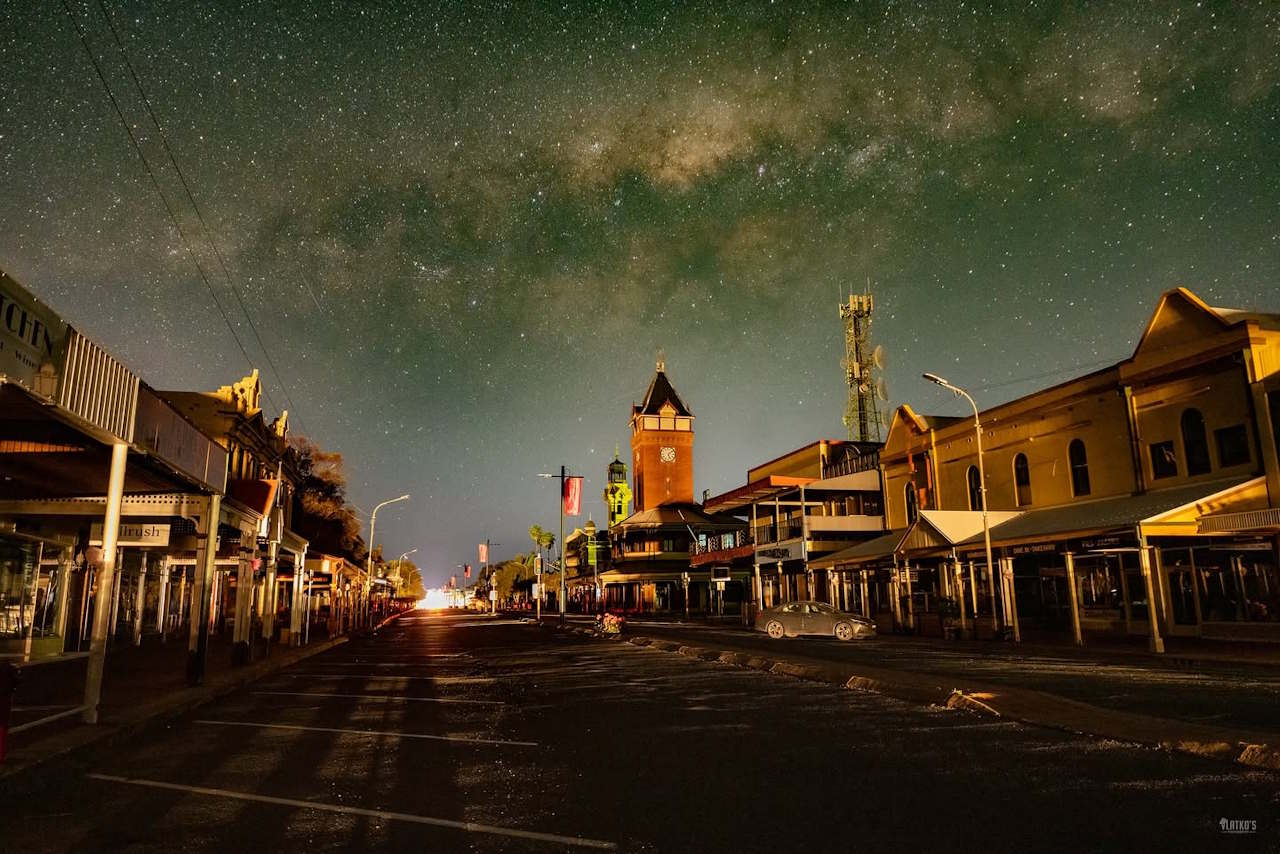
This initiative is part of a larger strategy by the state government to enhance energy reliability in the region, especially after the significant electricity disruptions in October 2024, which were caused by a severe storm that damaged one of the key transmission lines and the failure of Broken Hill’s diesel backup generators.
In response to the outages, a parliamentary inquiry was established to investigate the incident and evaluate future preparations and mitigation strategies by electricity providers in the Far West of NSW.
“Witnessing the impact of the Far West power supply disruption in October 2024 firsthand reiterated to me the critical need for a reliable electricity supply in regional and remote communities,” remarked Liam Ryan, the executive director for energy infrastructure at the NSW Department of Climate Change, Energy, the Environment and Water (DCCEEW).
“These microgrid initiatives have the potential to enhance energy security, diminish the reliance on diesel, and keep communities connected during crucial times.” He further highlighted that collaborating with Essential Energy is one of multiple efforts underway to improve electricity services throughout Far West NSW.
Proposed Microgrid Projects
Several projects have already been suggested for the region, including a solar-powered microgrid in White Cliffs. The funding will also support pre-feasibility studies to assess how a solar microgrid in Tibooburra, located in the far northwest, could aid an upgrade to the town’s current diesel-supported system, thus enhancing network reliability for the residents.
In addition, the programme aims to explore battery storage solutions to benefit the nearby communities of Milparinka and Packsaddle.
Findings from the pre-feasibility studies will be compiled by Essential Energy and presented to the state government to inform decisions on further development stages.
Energy Security Challenges
Luke Jenner, Chief Assets and Digital Officer at Essential Energy, noted that factors such as long distances, extreme weather conditions, and fuel supply lines pose significant challenges to energy security. “This pre-feasibility work is a crucial initial step in evaluating whether local solar generation and battery storage can offer a more resilient, feasible, and sustainable solution for communities like White Cliffs, Tibooburra, Milparinka, and Packsaddle,” he stated.