Frontier Energy Secures Equity for Largest Solar-Battery Hybrid in WA
Frontier Energy, based in Perth, has announced agreements that will provide a significant equity injection, covering almost a third of the expenses for what will be the largest solar-battery hybrid project within the main grid of Western Australia.
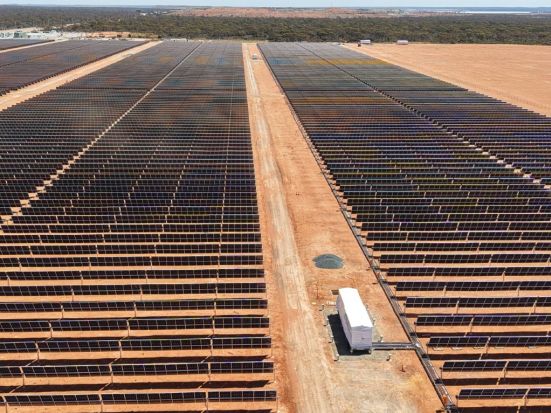
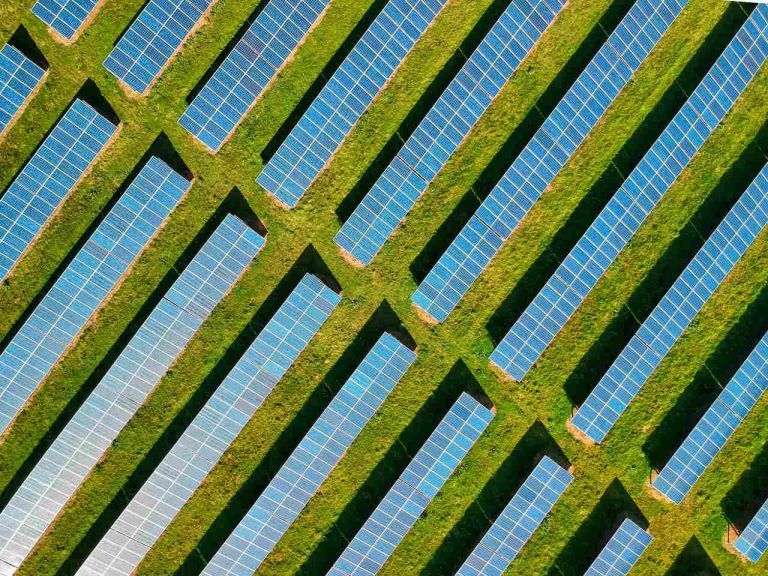
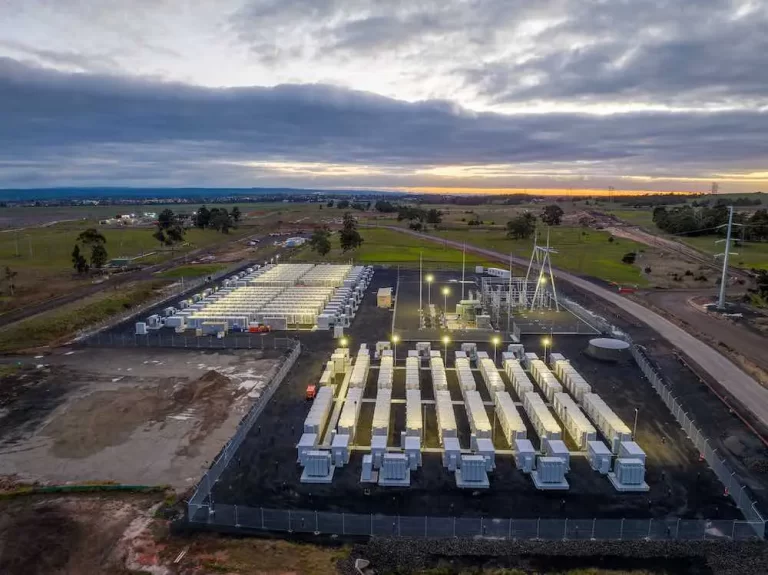
After navigating various challenges and configurations, the company is now poised to move forward with its Waroona project, which has evolved into a 132 megawatt (MW) solar facility accompanied by an 81.5 MW battery energy storage system with a capacity of 6.9 hours, equating to 565 MWh.
Project Enhancements and Financial Plans
The solar capacity has been boosted, primarily due to an upgrade in the panel specifications from its chosen supplier, increasing the module capacity from 610 watts to 660 watts. Additionally, the battery now includes two extra hours of storage, ensuring compliance with the requirements for capacity credits that support the project’s business model.
As the only publicly listed Australian enterprise concentrating on renewable energy and storage, Frontier offers a unique perspective on the financing and operational concepts behind such technologies, facilitated by ASX regulatory obligations and the company’s openness on these matters.
Frontier has secured “firm commitments” for $110 million in new equity via a placement aimed at institutional investors and family business offices. However, this funding is contingent upon shareholder approval and is a part of a broader strategy to raise almost $220 million needed to meet the total projected cost of $310 million for the Waroona project, alongside an additional $17 million earmarked for contingencies.
Projected Revenues and Future Phases
Upon securing the necessary funds, Frontier will commence the second phase of the Waroona project, which is anticipated to be of similar scale to the initial phase.
Executive chairman Jamie Cullen stated that this equity raising is crucial for Frontier, as it will facilitate the advancement towards binding credit approval and ultimately lead to financial closure for the first stage of the project. He expressed optimism about beginning construction for Stage One while simultaneously progressing with Stage Two.
Located approximately 120 kilometres south of Perth, near Alcoa’s expansive Wagerup facility, the Waroona project is expected to generate “base case” revenues of around $72.5 million from its first phase, including $32 million derived from reserve capacity agreements with the Australian Energy Market Operator.
The remaining $40.5 million is projected to come from energy sales, frequency control services, and large scale generation certificates (LGC), with most of this amount anticipated to result from the sale of surplus output produced by the solar and battery systems.
Financial Outlook and Future Development
The venture also benefits from an underwriting agreement under the Capacity Investment Scheme, which provides additional support if revenues from other sources dip below specified thresholds. While the exact financial contribution from this scheme is not stated, it is considered not significant when compared to other anticipated revenue streams.
Factoring in $10 million for operational expenses—of which around $3 million stems from battery charging—the company expects operating earnings (Ebitda) of approximately $62.5 million and free cash flow reaching $32 million after accounting for debt and tax obligations.
With everything proceeding as planned, there is potential for the facility to expand further, with the addition of a third and fourth stage, ultimately increasing the total project capacity to about 1,000 MW and up to 660 MW of battery storage.
Cullen added that the strong backing from existing investors, along with interest from new participants, underscores the quality of the first stage of the project and the future development potential at Waroona, which aims to establish a significant renewable energy hub in the South West of Western Australia.