Fortescue’s Solar Innovation: Simplifying Solar Farm Construction in Pilbara
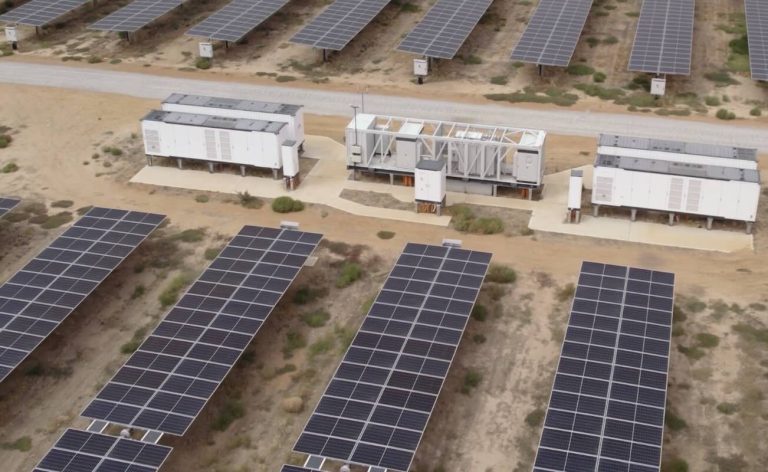
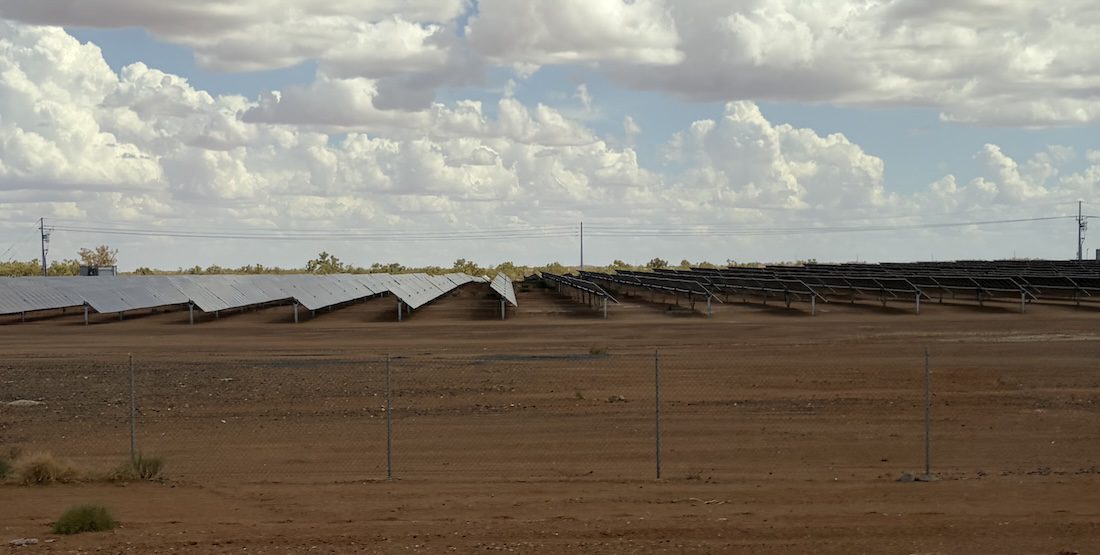
The solar facility at North Star Junction stands out as an exceptional project. Instead of an empty expanse, vibrant spinifex and plains grasses thrive beneath the panels, occasionally entwined with taller shrubs that rise above the rows.
This 100 megawatt (MW) solar installation, which occupies the rolling terrain of a former work site, was completed in 2024 and marks Fortescue’s inaugural venture into large-scale solar energy.
A Streamlined Solar Construction Process
According to Fortescue’s CEO Dino Otranto, the experience has shown that constructing solar projects is simpler compared to other types of development.
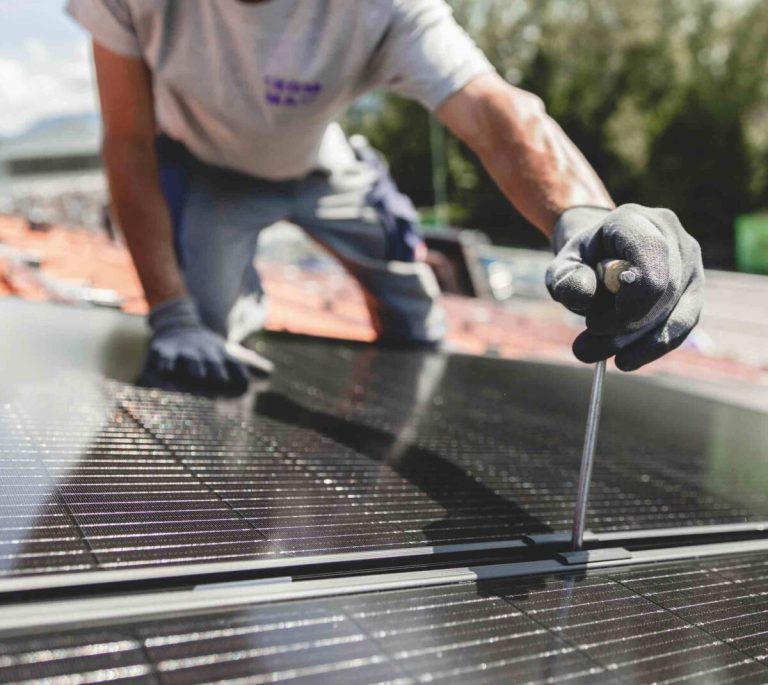
“It’s remarkably straightforward,” says Otranto in an interview with Renew Economy. “You install a tracker, add a panel, and then repeat the process. We can do this 1,000 to 3,000 times each day. It requires a significantly smaller workforce than what you’d need for mining operations.”
Decreasing Costs with Automation
The expenses associated with solar energy construction have already plummeted to approximately $40 per megawatt for Fortescue. In contrast, diesel energy costs range between $120 and $300 per megawatt.
With an eye on further cost reductions, the company is exploring automation. Recently, the Australian Renewable Energy Agency (ARENA) provided Fortescue with $45 million, marking its largest single investment in innovative solar technologies, aimed at implementing various robotic concepts across its solar initiatives. These projects include North Star Junction, the developing 190 MW Cloudbreak project, which is currently undergoing tests with these robots, and the authorised 644 MW Turner River project located adjacent to the junction site.
Otranto also noted his expectation for a 440 MW solar initiative at the Solomon mine to receive approval imminently.
“The next phase of our evolution involves automating the entire installation process. We have existing automation technology for pile drivers, and applying trackers is straightforward. The panel installation process is incredibly simple to automate,” Otranto explains. “Once we integrate these systems, it should be seamless. We’ve successfully automated large trucks operating 2,000 kilometres from the Pilbara; thus, automating an uncomplicated installation like this seems like a logical step.”
Benefits for Local Ecosystems
At North Star Junction, the afternoon breeze picks up, stirring the grasses and shrubs flourishing beneath and around the solar farm. Established on a previous work site, Fortescue was committed to minimising environmental disruption, a proposal that the Western Australia Environment Protection Authority (EPA) supported.
By employing raised blade clearing techniques, the project was able to preserve burrows, roots, and the vital upper layer of biodiversity in the soil, rather than simply stripping the land of its topsoil. This method considers the land’s natural contours, ensuring that water runoff isn’t diverted into artificial reservoirs.
Ecologists are enthusiastic about these practices, highlighting their benefits for both the environment and the solar farm’s efficiency. Briony Horner, CEO of Succession Ecology, states, “Sustainable gardens enhance the organic matter in the soil while improving water retention and lowering ambient temperatures. Solar farms thrive with reduced temperatures, as they can harness sunlight effectively and this, in turn, boosts the productivity of the panels.”
Natural elements like roots, worm holes, and burrows for small fauna facilitate better water drainage, preventing destabilization around solar installations and ultimately driving down costs by eliminating the need for additional earth-moving processes.
This approach also simplifies future rehabilitation efforts. Otranto remarks that while solar farms have a lifespan of about 30 years, they are designed with a lightweight infrastructure that makes it easy to dismantle foundations and either restore the land or let nature reclaim it, unlike traditional mining sites that leave permanent scars on the landscape.
Renew Economy visited the Pilbara region as a guest of Fortescue.