Farmers Embrace Wind and Solar for Fertiliser Amid Rising Prices
US President Donald Trump has significantly impacted the global electric vehicle market, but his actions have also reignited optimism in the green hydrogen sector, prompting Australian farmers to reconsider their reliance on international supply chains.
While it is well documented that Trump’s confrontations with Iran and the ensuing closure of the Strait of Hormuz have caused petrol and diesel prices to spike, the less visible consequence lies in the fertiliser market, affecting various Australian regions.
Shifting Perspectives on Energy
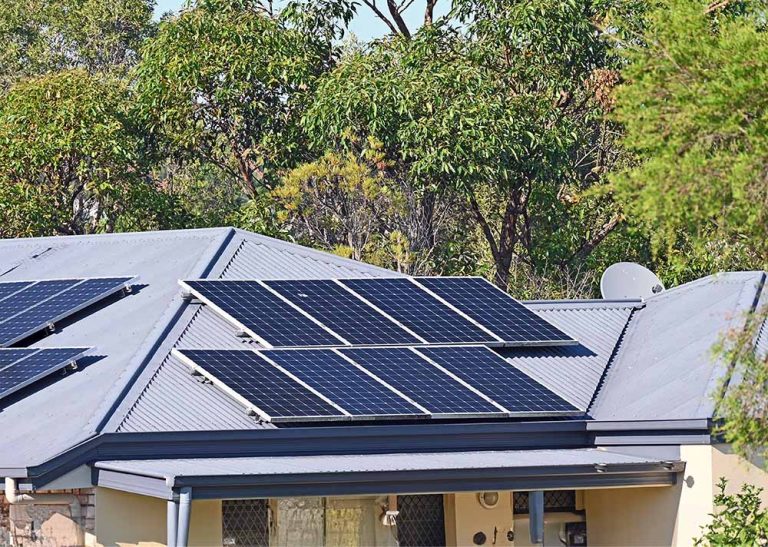
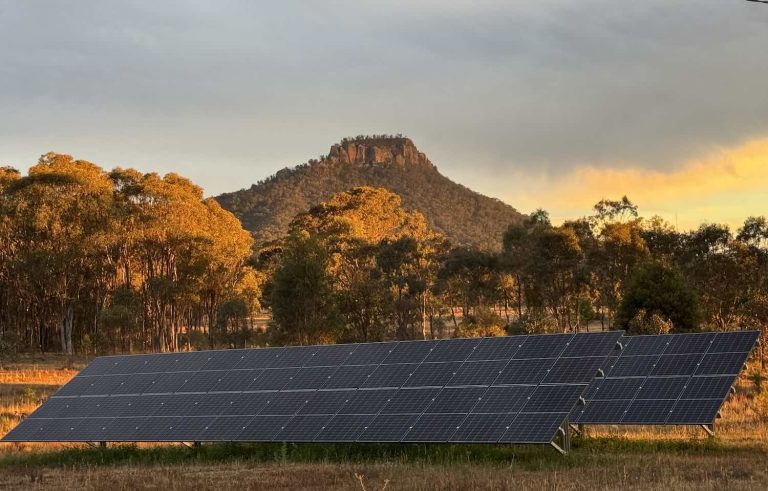
This scenario has encouraged Australian farmers to explore their own green energy alternatives, such as hosting wind and solar farms alongside the production of home-grown green hydrogen for use in fertiliser and as a diesel substitute. This shift could diminish their growing dependency on global markets, which has become increasingly expensive and uncertain.
This theme was at the forefront of discussions during the recent Australian Renewables in Agriculture Conference held in Orange, which attracted over 400 attendees. The event challenged widespread misconceptions about rural opposition to renewable energy transformation.
Renewable Opportunities for Farmers
In a series of articles stemming from a visit to the New England region, journalist Peter Hannam highlighted that many farmers view the shift towards renewable energy, including opportunities for wind, solar, and battery installations, as a crucial lifeline in the face of climate challenges.
Notably, the mayor of Armidale remarked that 80% of local residents support the energy transition and expressed a desire for renewable companies to counteract misinformation regarding these projects.
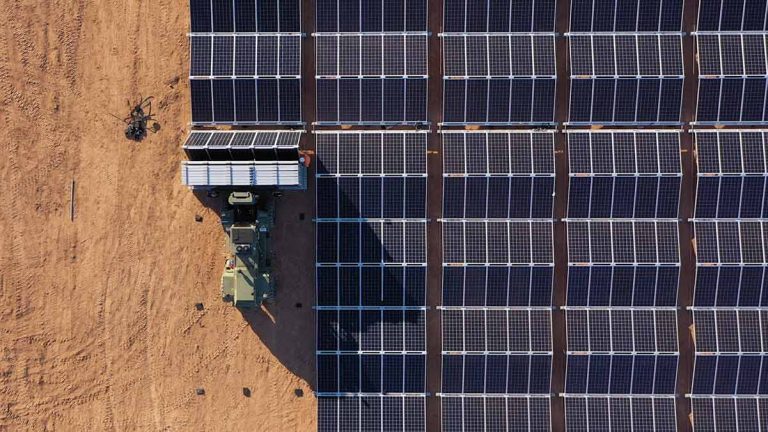
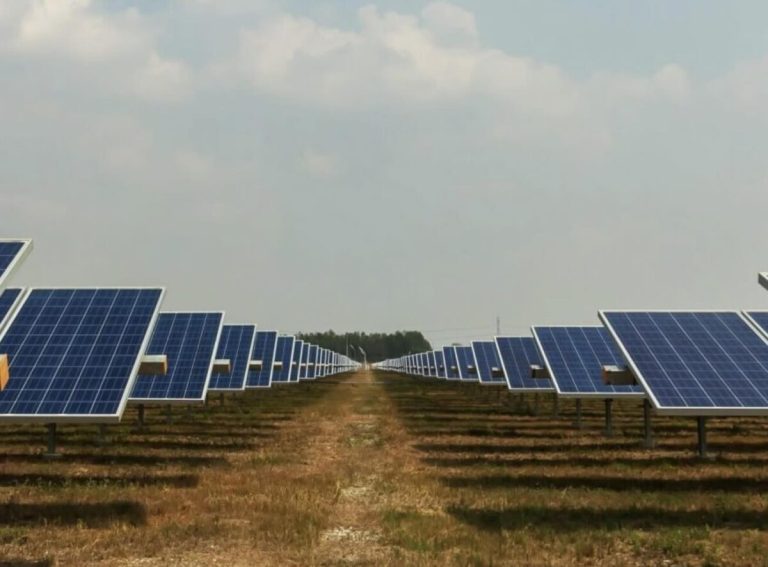
Significant discussions at the conference in Orange centred on farmers’ intentions to host wind and solar facilities that would generate tangible benefits for the wider farming community and region, with green hydrogen and green ammonia taking centre stage.
Monica Morona, a farmer from the Hay Plains in south-west New South Wales, pointed to the ongoing global crises, stating: “We’ve had Ukraine. We’ve now had Iran. Obviously, this is not going to go away, and these price shocks and supply chain shocks are continuing to cause problems.”
Local Projects Taking Shape
Efforts to harness value from wind and solar farms are already underway with the Good Earth Green Hydrogen and Ammonia (GEGHA) pilot project at Sundown Pastoral, situated near Moree in the Gwydir Valley. This initiative aims to generate approximately 4,500 tonnes of low carbon anhydrous ammonia (NH3).
Morona is eager to take the next step by establishing the country’s first commercial-scale plant, Riverina Renewable Hydrogen, targeting an annual production of around 40,000 tonnes of NH3. She is collaborating with Hiringa, a company specialising in hydrogen production, which has ambitious plans for a national network of similar plants, potentially fulfilling a quarter of Australia’s fertiliser imports.
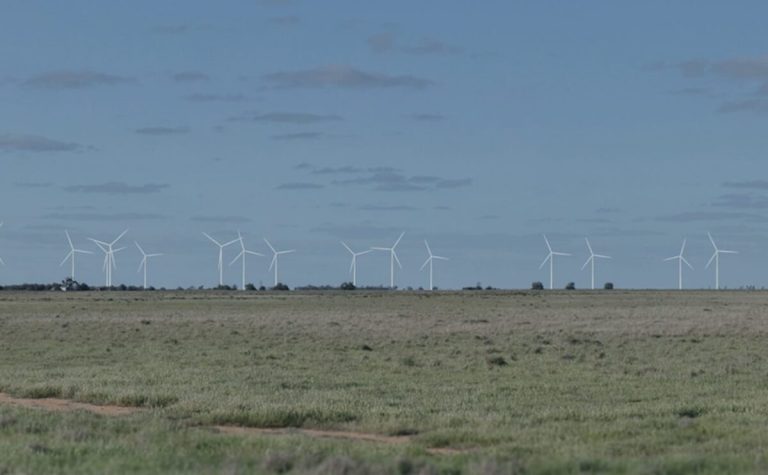
Her family’s farm on the Hay Plains is already set to host wind turbines linked to the developing Pottinger Energy Park by Someva Renewables and AGL Energy, which has received grid approval for about 830 MW of wind capacity, with the potential to expand to 2,000 MW.
Morona noted the favourable conditions for wind farms in this area, stating: “It’s perfect for wind farms. It’s flat. It’s all fine for construction. So we’re actually really lucky.”
Empowering Regional Economies
Resistance to renewable developments appears to be dwindling in the South West Renewable Energy Zone (REZ), which Morona attributes to local councils’ strong commitment to community benefits and leadership. She plans to utilise the energy produced from wind turbines to power an electrolyser facility, potentially generating up to 60 MW of anhydrous ammonia and urea ammonium nitrate (UAN) to supply local farmers in the Riverina.
This initiative promises to lower freight costs, enhance supply reliability, and bolster regional resilience. “In the last decade, diesel prices have doubled and they are not sustainable,” Morona explained. “This (technology) allows us to not just solve our own problem, but also for the whole region.”
Promising Future Prospects
Hiringa has outlined plans to develop a network capable of supplying up to 488,000 tonnes of low carbon urea equivalent annually by the late 2030s. This could lead to a 95% reduction in emissions associated with one of agriculture’s highest polluting inputs, as stated in their documents.
The initiative is expected to mitigate freight risks, stabilise fertiliser costs, and enhance outcomes for farmers while also creating jobs and fostering local economies, paving the way for broader applications of green hydrogen in transportation and on-farm energy solutions.
The pilot project at Sundown is utilising solar energy and battery storage as its renewable sources, with plans to incorporate additional solar and storage into the Riverina facility, benefitting from the wind turbines’ energy. “This is where the journey turns,” Morona remarked. “It allows us to pursue something more ambitious than simply decarbonising our fuel use.”
While ambitious, Morona remains optimistic, citing the ongoing construction of the pilot plant in Moree. “The best part for me in all of this is that it is renewables. We only need 200 megalitres of water to produce that amount, which is very minimal for irrigation farmers.”
She sees this as an excellent opportunity to utilise energy produced in the South West REZ to benefit the local community. “For me and our community, that is the game changer,” she insisted, underscoring the crucial aspect of contributing back to the community rather than merely exporting energy.
With higher energy deployment making renewable technologies increasingly affordable, Morona suggested that farmers are compelled to adapt to climate change realities: “We don’t have a choice.”