Electric Vehicles: Ideal Partners for Rooftop Solar in Tropical Cities
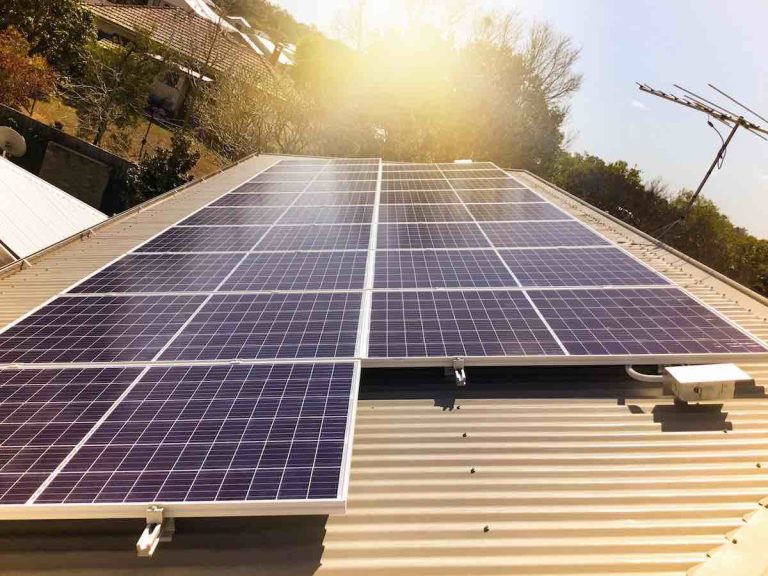
The global push for rooftop solar is showing no signs of slowing down, but cities with tropical climates face unique challenges, particularly from frequent thunderstorms that obscure sunlight. New research suggests that electric vehicles (EVs) could play a pivotal role in managing solar energy distribution in these regions.
A study published this week in the distinguished Nature journal by researchers from Columbia University and the Singapore-ETH Centre explores how EVs can facilitate the widespread adoption of solar photovoltaic (PV) systems in tropical urban settings. The study highlights the potential for EVs to store solar energy and provide backup power during periods of cloud cover.
The Challenge of Tropical Thunderstorms
Markus Schläpfer, a civil engineer and one of the study’s authors, moved to Singapore a decade ago and quickly recognised the challenges posed by afternoon thunderstorms, which can temporarily plunge neighbourhoods into darkness. While standalone energy storage solutions, such as large-scale batteries, are being deployed in places like Australia, Schläpfer and his team propose leveraging EVs as an alternative.
“During a thunderstorm, when solar energy generation drops, parked electric cars can serve as an energy source to offset the energy shortfall,” Schläpfer explained. “Once the storm passes, the photovoltaic systems can recharge the vehicles.” This method provides an efficient way to maximise solar energy use without incurring the high costs associated with creating new infrastructure.
Innovative Solutions for Grid Management
Tropical thunderstorms may be brief, but they can impact specific areas while leaving others unaffected, meaning that electricity often needs to flow from regions with available solar power. However, the increased demand can overwhelm existing grid capacity, making the situation even more complicated.
“Traditionally, addressing this issue would necessitate constructing new infrastructure capable of handling these higher electricity levels, which is not only challenging but also financially burdensome, particularly in densely populated cities like Singapore,” Schläpfer noted. The cost for underground transmission lines can soar to around 60 million Singapore dollars per kilometre.
Instead of building new infrastructure, Schläpfer advocates for a smarter use of the current network to enable increased solar PV integration without the need for more transmission capacity. By utilising the batteries from electric cars during a storm, nearby EVs can discharge their stored energy directly into the local grid, thus maintaining power supply without requiring external electricity imports.
A Decentralised Charging Strategy
The research titled “Decentralized electric vehicle charging enables large-scale photovoltaic integration in tropical cities” uses Singapore to illustrate a decentralised vehicle charging strategy that aligns with urban mobility patterns identified through mobile phone data. This approach allows for significant reductions in grid demand and promotes a greater integration of solar energy into the existing infrastructure.
A key finding of the research is that this method can be effective even in areas where EV ownership is relatively low. “We can achieve this effectively in locations with few cars; just a small number of vehicles can make a significant impact,” Schläpfer pointed out.
The full research paper is available for public access, providing insights into this innovative approach to integrating EVs with solar power in tropical cities.