Developer Abandons Solar Project Amid Local Opposition in New South Wales
The plans for a solar and battery installation at Mitchells Flat, positioned approximately 75 kilometres northwest of Newcastle, have been scrapped by the developer, marking what has been hailed as a “really welcome outcome” by local residents from surrounding communities in New South Wales.
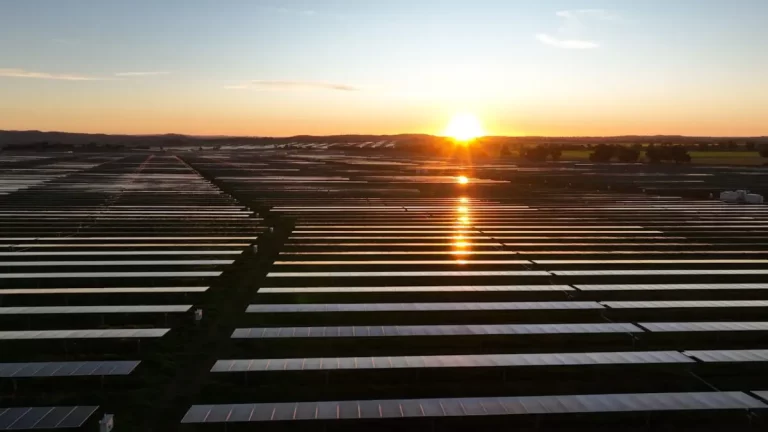
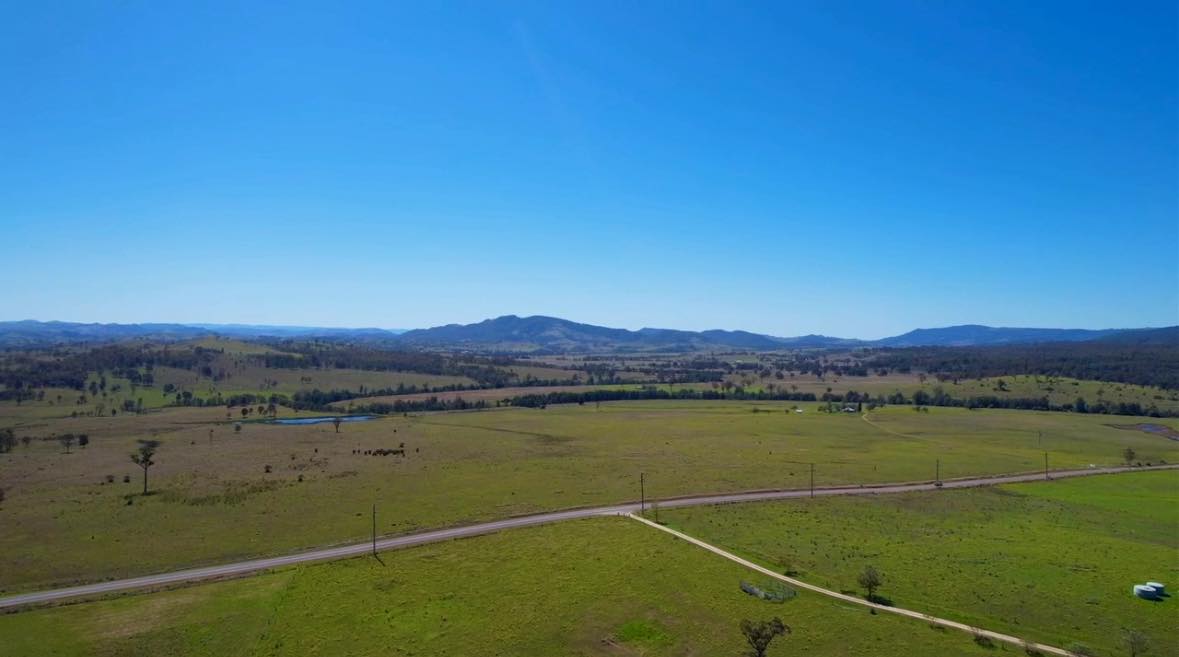
Elgin Energy, primarily owned by Copenhagen Infrastructure Partners, was in the preliminary stages of developing a 90-megawatt (MW) solar farm complemented by a 90 MW battery energy storage system (BESS). The initiative was set to involve 177,000 solar panels in the small, rural locality of Mitchells Flat, home to around 250 residents, located about 12km northeast of Singleton and 150km north of Sydney.
Community Concerns Raised
Elgin had identified the site as lower-quality agricultural land or ‘Biophysical Strategic Agricultural Land’, arguing its suitability for solar energy due to its “relatively flat and clear land with few environmental constraints.” However, opposition from the local community intensified following a gathering at the Singleton library in August 2024, organised by the Singleton Solar Standoff community group.
Michael Holz, a member of this group, shared insights during a NSW government inquiry focusing on the ramifications of Renewable Energy Zones (REZs) on rural and regional communities. He emphasised that the community’s objections were aimed at the proposed site rather than the technology itself. “Our community is simply asking that developments like what is proposed at Mitchells Flat be constructed in the right location within the Singleton Local Government Area to avoid impacting our rural residential communities or productive agricultural land,” Holz remarked.
Alternative Locations Suggested
Holz noted that the area’s east side has seen new residential projects arise, while industrial initiatives such as mining, power generation, and industrial estates have generally been situated to the north and west of Singleton. “Those familiar with the Hunter Valley recognise the generous areas of rehabilitated mining land that would be more suitable for solar projects, thanks to their affordability and proximity to existing power grid infrastructure,” he stated.
He pointed out various instances where solar projects have been successfully proposed for previously mined locations, including the Maxwell Solar Farm on the old Drayton Mine site, the Muswellbrook Pumped Hydro Project at the former Muswellbrook Coal Mine, and the Stratford Renewable Energy Hub intended to utilise the Stratford coal mine land post-mining operations. All these projects are located in areas to the west and north of Singleton.
Local sentiment also leaned against the proposed 14 kilometres of high voltage transmission lines linking the solar farm and battery; the majority of these lines were intended to be installed within existing road reserves along several local routes.
Political Support for Local Residents
This week, federal MP for Hunter, Dan Repacholi, expressed that the decision made by Elgin not to advance with the Mitchell’s Flat project was a “really welcome outcome” for the community. “Like many locals across the Hunter, I am aware of the significant concerns raised regarding this project, including land usage, environmental implications, and the broader impact on our regional landscape,” he stated.
Repacholi described Elgin’s choice as a positive development, noting a palpable sense of relief among the local populace that the firm would redirect its development efforts. “This indicates the importance of ensuring that local voices are acknowledged in significant projects within our region,” he added.
Renew Economy has made attempts to contact Elgin Energy for further comment.