Cyclone-Proof Solar Farm Highlights $33 Billion Renewable Potential in Remote Areas
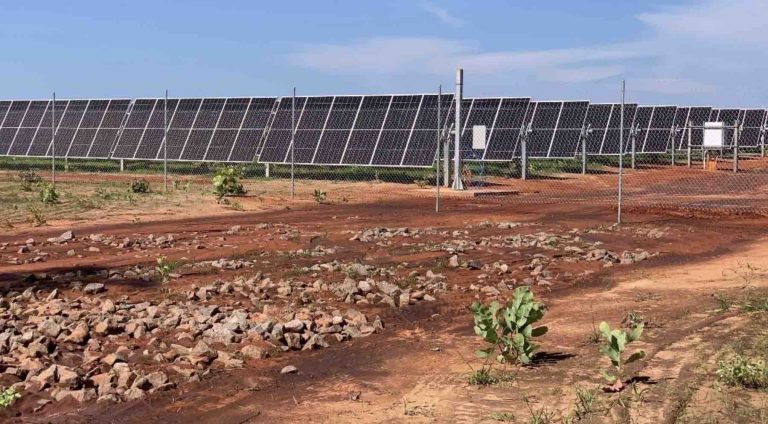
The CEO of APA Group, Australia’s largest gas infrastructure firm, expressed great satisfaction following the successful endurance of their newly established cyclone-resistant solar farm and battery facility in Port Hedland, located in the north-western region of Western Australia. This facility has proven its resilience against the harsh conditions posed by a significant cyclone.
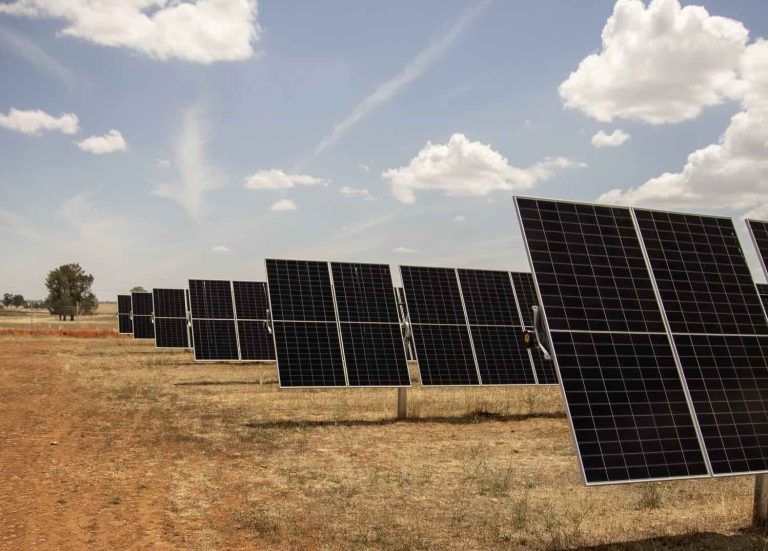
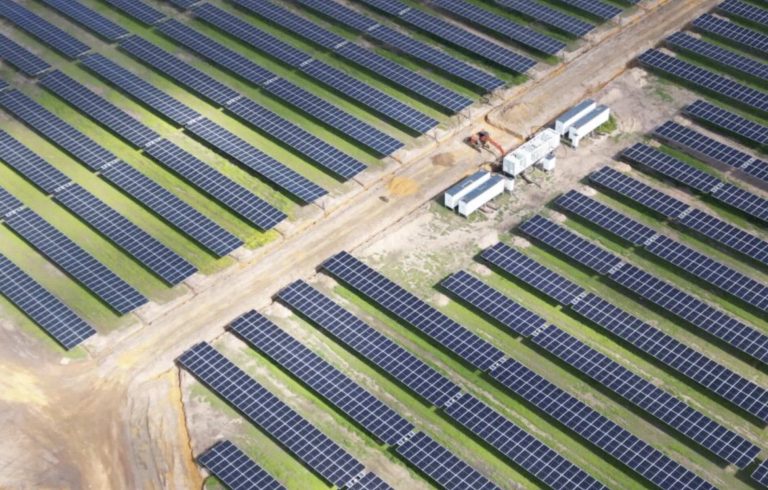
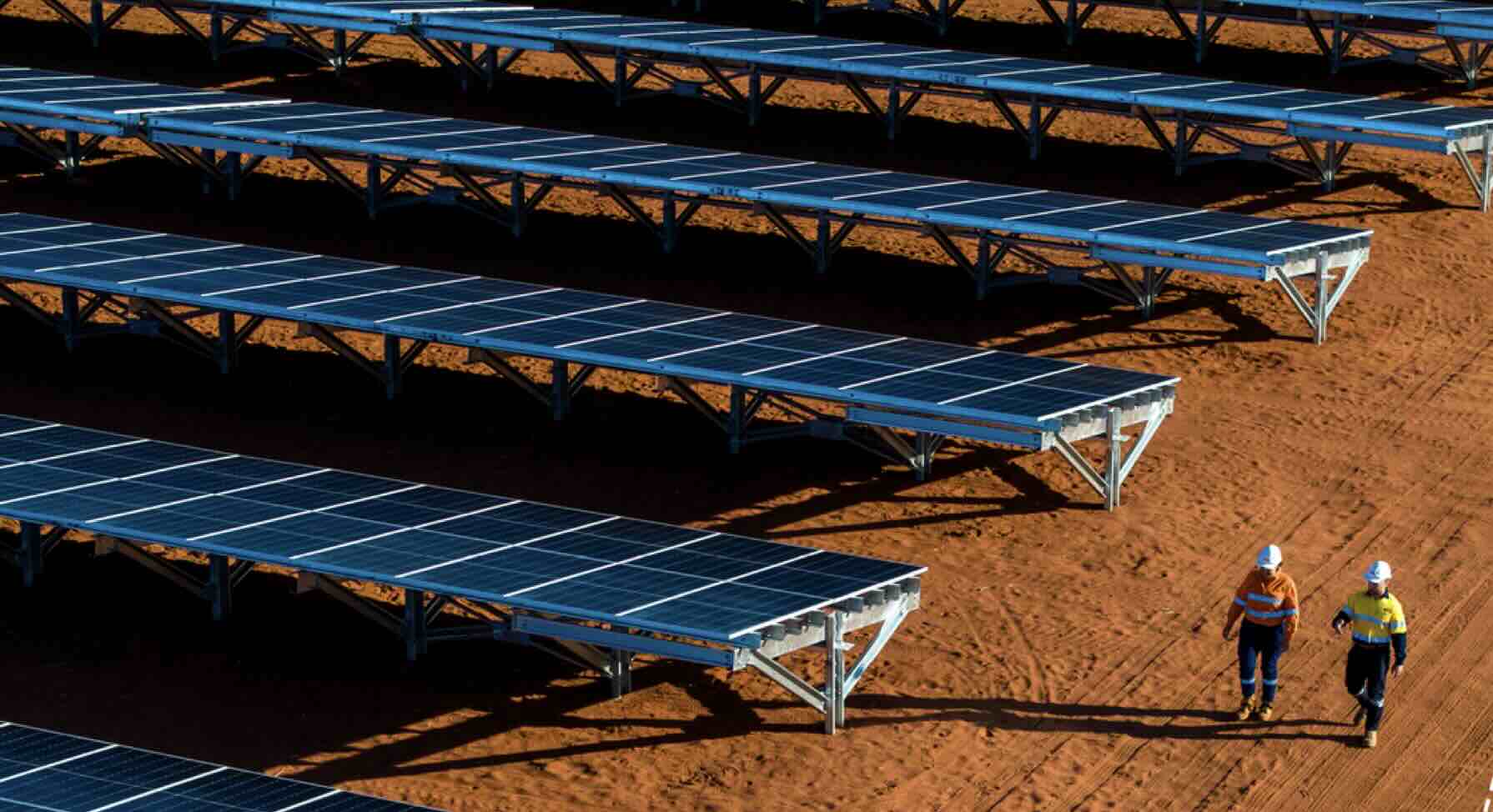
The Port Hedland site features a 45 megawatt (MW) solar farm paired with a 36.5 MWh battery, designed with robust steel piles driven 2.2 metres into the ground, reinforced cross-sections, and solar panels tilted at a 10° angle.
Impressive Design and Performance
According to CEO Adam Watson, the Port Hedland project was engineered to withstand wind speeds of up to 288 km/h, a scenario expected only once in 500 years. During the recent Cyclone Zelia in February 2025, which brought winds of up to 240 km/h just before making landfall approximately 50 km from the facility, Watson noted that the infrastructure maintained operational continuity for customers while ensuring the safety of all personnel involved.
This achievement is particularly significant as Port Hedland marks the first major solar initiative situated in coastal regions that are most susceptible to cyclone activity. Such developments are crucial as the Pilbara mining region transitions from being Australia’s most emissions-intensive economic sector to its cleanest. Fortescue Metals Group is at the forefront of this shift, aiming for “real zero” emissions at its iron ore mines by 2030.
Market Opportunities and Challenges
As BHP and Rio Tinto follow suit, BHP recently indicated in its own results presentation that its plans to electrify trains and haul trucks have been delayed, with much of the investment now pushed into the 2030s. APA is strategically positioned to capitalise on the burgeoning demand for infrastructure, with Watson highlighting a $33 billion market potential in decarbonising mining operations through renewable energy, firming, and transmission in the Pilbara region. APA has a pipeline of projects totalling 4 GW, extending to Kalgoorlie and Mt Isa in Queensland.
Despite the promising outlook for renewable projects, APA’s earnings from these initiatives surged last year, largely due to the new facilities at Port Hedland and the acquisition of the Pilbara portfolio from Alinta, alongside existing operations in Darling Downs (solar) and wind and solar projects in Badgingarra and Emu Downs, Western Australia. However, the overall earnings from its generation portfolio, which includes gas, reached $298 million, a mere fraction of the $2 billion total revenue reported last year. The company also owns Basslink, which contributed $55 million.
The Future of Gas in Australia
Watson and market analysts appear more focused on the $40 billion opportunity for gas “firming” plants that would support renewables in Australia’s primary grid, alongside the $12 billion required for new pipelines to transport gas to power generation facilities. The Australian energy sector is currently embroiled in a heated debate regarding the future of gas, a fossil fuel whose reputation for being “clean” is increasingly challenged by rising methane emissions.
Gas has also become more costly, with prices for gas turbines climbing and availability becoming an issue, while battery storage technology is experiencing a significant drop in cell prices and is readily deployable without supply constraints. Consequently, many companies, even those heavily invested in gas, are pivoting towards large battery projects, sidelining plans for gas peaking generators.
Nonetheless, many in the gas sector remain committed to the Australian Energy Market Operator’s forecast that between 13 GW and 20 GW of new gas generation capacity will be necessary to replace coal. Watson sees this as a substantial market opportunity, stating, “For every gas-powered generator that needs to be built, a pipeline is also required to connect it to the transmission network.” He emphasised the necessity of gas storage, noting that when a gas-powered generator is needed, it cannot simply be summoned on demand.
Gas Supply and Emissions Considerations
Watson asserts that Australia does not face a gas shortage, citing the ample supply in the Beetaloo Basin, provided it can be transported south. He is critical of LNG import terminals, which he deems unnecessary, contrasting his views with those of Squadron Energy, owned by Fortescue chair Andrew Forrest, which has established a terminal at Port Kembla. “I don’t understand how anyone can justify that,” Watson remarked, pointing out that the terminal has struggled to secure customers despite its existence.
He further stated, “When you consider the abundance of supply, there is no issue regarding domestic availability in Australia. The challenge lies in ensuring that the regulatory and policy frameworks are conducive to enabling producers to extract it.” This leads to discussions about emissions, with analysts questioning Watson on the topic. He acknowledged that while APA might face increased emissions, the trade-off could be beneficial if it facilitates lower emissions across the broader economy, a rationale often used by the Australian fossil fuel sector to defend its extensive export activities.