Corop Solar Battery Project Receives Quick Federal Approval
Just four months after entering the EPBC assessment process, the Corop solar battery project in central northern Victoria has emerged with a reassuring verdict of ‘not a controlled action’.
The comprehensive solar initiative will eventually generate 440 megawatts (MW) behind the meter and connect to a 290 MW, 704 megawatt-hour (MWh) battery system.
Initial Phase Set to Begin Soon
The first segment, boasting a capacity of 230 MWac, is set to commence construction as early as the end of this year, as confirmed by Peter Leeson, director of developer BNRG Leeson. This initial phase of the project was a standout in the recent federal government’s Capacity Investment Scheme (CIS) generation tender, securing funding for both the first stage and the overarching battery system.
According to Leeson, the timing for the second stage’s construction remains uncertain, as their immediate focus is on achieving a final investment decision for the first part in the upcoming year.
Ambitious Plans for the Corop Project
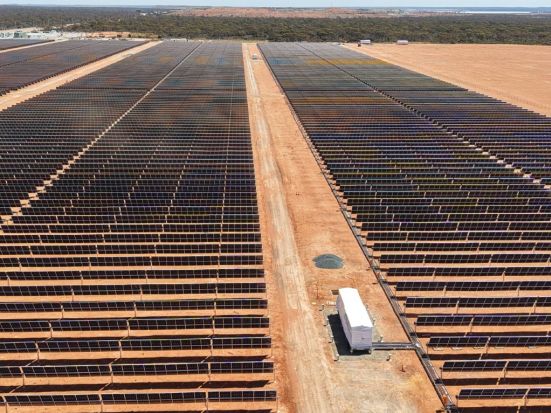
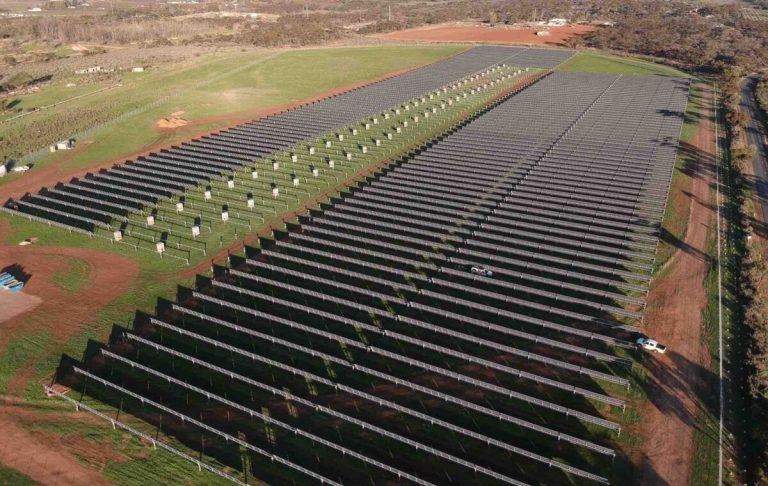
The overarching vision for the Corop development includes the installation of approximately 1.19 million solar panels and up to 208 battery energy storage system (BESS) containers across 1,100 hectares of agricultural land, covering 12 titles near Rushworth in central northern Victoria.
This project stood out among 11 solar-battery hybrids that were prominent in the CIS tender, which allocated underwriting agreements to 20 projects with a collective capacity of 6.5 gigawatts (GW).
Growing Popularity of Solar-Battery Hybrids
The popularity of large-scale solar-battery hybrids has surged over the past 18 months, as the costs associated with these technologies have significantly decreased. Additionally, these projects tend to navigate state and federal planning processes more smoothly than wind energy initiatives.
As outlined in the EPBC documentation, the Corop project is proposed to be constructed in a “highly modified rural landscape” primarily used for cropping and grazing.
Developers have indicated that most of the project area has been void of native vegetation and is presently utilised for agricultural purposes. Furthermore, three temporary freshwater wetlands, deemed “important natural features”, will be preserved and incorporated into the project design to prevent any adverse effects.
Community Engagement and Consultation
The referral documents highlight that the potentially two-stage project has undergone public consultation since 2019, featuring “multiple community engagement activities” aimed at informing and involving local stakeholders.
If you wish to stay updated with the latest news in clean energy, you can join over 29,000 subscribers and receive our free daily newsletter directly to your inbox.