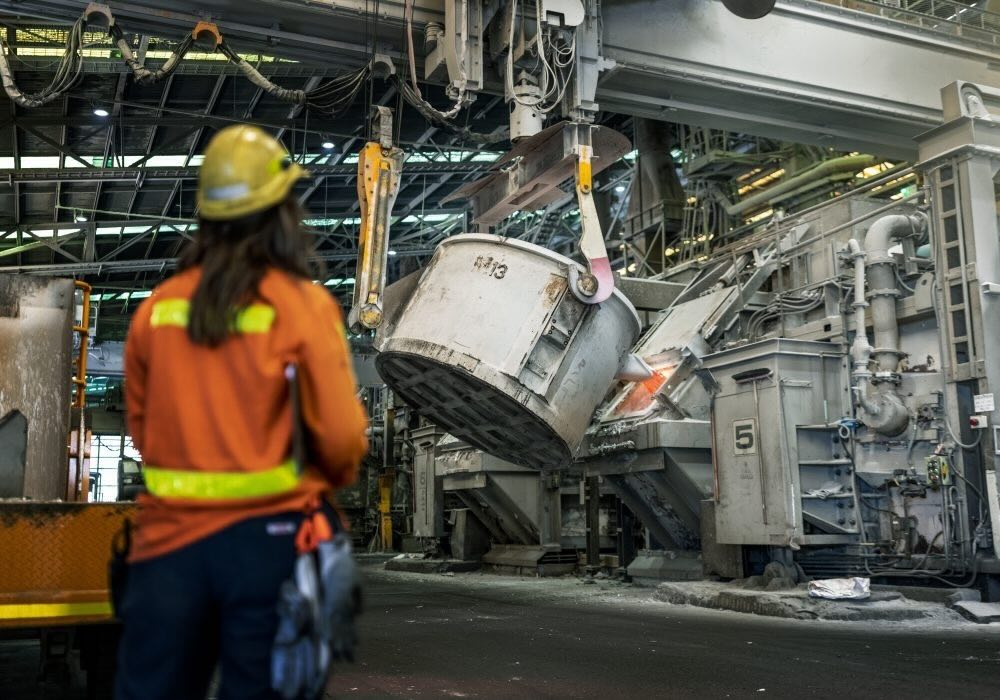
Construction Begins on Tomago Battery Amid Talks to Support Aluminium Smelter
Chris Bowen, the Federal Energy Minister, has revealed that the Albanese government is in discussions with Australia’s largest aluminium smelter, Tomago Aluminium, about securing a low-cost supply of firmed renewable energy. This support may be facilitated by Snowy Hydro, a publicly owned electricity generator, and the Clean Energy Finance Corporation.
Located in the Hunter region of New South Wales and owned by Rio Tinto, the Tomago smelter initiated closure talks in late October when it flagged its inability to secure a commercially sustainable energy contract beyond 2028.
Concerns Over Energy Viability
Tomago’s Chief Executive, Jerome Dozol, highlighted the dire situation, stating, “We continue to engage with stakeholders on a viable pathway for Tomago.” He expressed concerns that the energy proposals received thus far indicated unviable future energy costs and uncertainty regarding the availability of large-scale renewable projects in time.
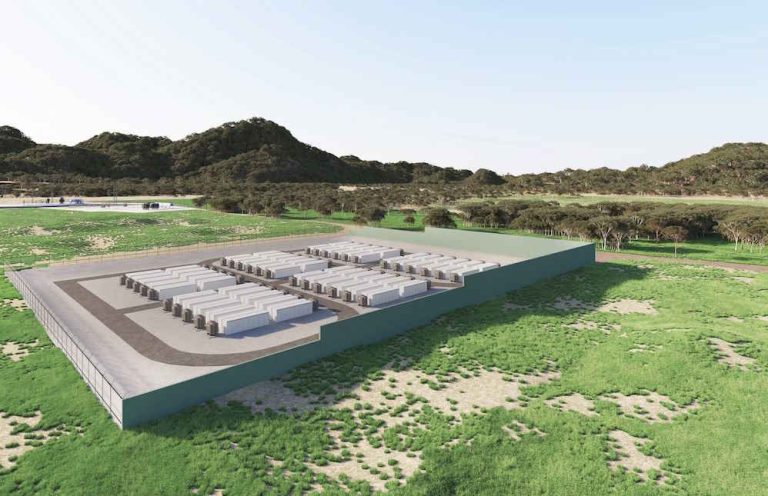
During a recent event marking the commencement of construction on AGL Energy’s 500 megawatt, four-hour battery facility near the smelter, Bowen addressed these challenges. He confirmed ongoing discussions with Tomago, stating, “It’s no secret that [Industrial] Minister [Tim] Ayres and I have been in discussions with Tomago to see what could be done.” He refrained from delving into specifics but mentioned the involvement of agencies like Snowy Hydro and the CEFC to explore options for delivering more renewable energy to Tomago.
Industry-Wide Energy Supply Challenges
The difficulties faced by Tomago Aluminium are reflective of a broader issue confronting smelters throughout Australia and globally, particularly in securing adequate new energy supplies as older coal power plants retire. Historically, these coal contracts have benefited from substantial subsidies through preferential pricing.
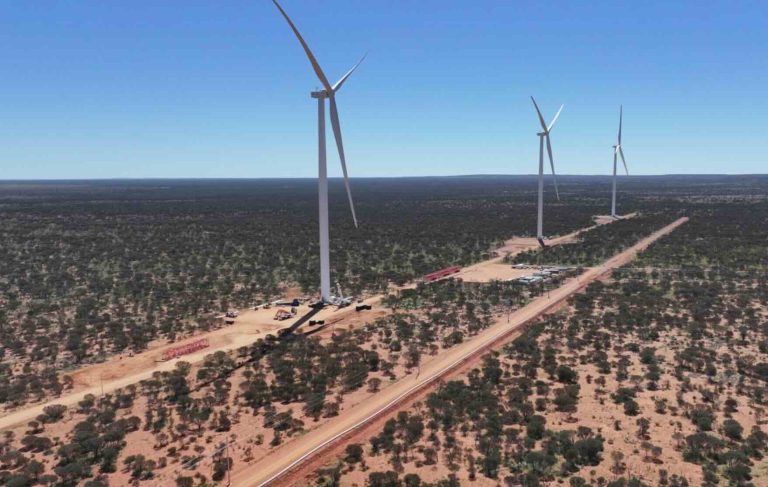
Jerome Pecresse, Rio Tinto’s global head of aluminium, has previously noted the smelters’ reliance on coal places them at a disadvantage in terms of emissions and costs. However, he also pointed out the promising decline in battery storage costs. “There’s no reason why, in some places, a reliable supply cannot be achieved via a mix of intermittent renewables, provided that this mix is ‘firmed’ via batteries and other sources,” he added.
Government and Industry Alignment
At the Hunter Business Park press conference, Bowen emphasised the shared understanding between federal Labour and industrial leaders like Rio. He cited Tomago’s management’s acknowledgment that insufficient renewable energy supply, rather than an excess, is the core issue. “There’s not enough. We agree with that, so let’s look and see what more we can do,” he urged, countering opposition claims regarding the transition to renewable energy.
Highlighting the affordability of renewable energy, Bowen stated, “Renewable energy is the cheapest form of energy. Deniers and delayers deny that. Every economist and scientist acknowledges it. The CSIRO knows it. And that’s why we’ve got to keep going.”
Developments in Battery Projects
Several significant battery projects are underway around the Tomago smelter, including the recently commenced AGL facility, which boasts a capacity of 2,000 megawatt-hours (MWh). Other projects in the Hunter region include the partially operational Waratah Super Battery, rated at 850 MW and 1680 MWh, along with a proposed 500 MW, two-hour battery at the Liddell site by AGL, which is backed by both federal and NSW governments.
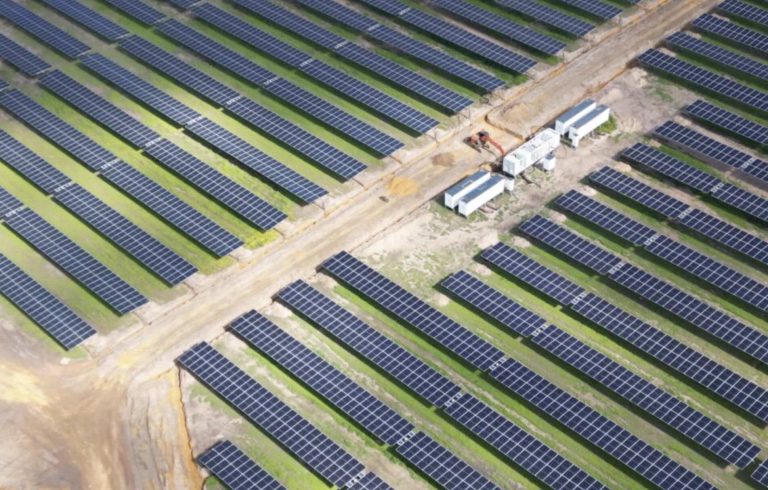
Additional facilities are in various stages of planning, including North Harbour Clean Energy’s 400 MW, 800 MWh battery project known as the Upper Hunter BESS, along with other solar-battery hybrid initiatives targeting the region.
NSW Government Initiatives
The New South Wales government is also actively pushing for the urgent development of new synchronous condensers to modernise the grid, adapting it for the renewable shift and closure of coal plants. Transmission company Transgrid has acquired ten smaller synchronous condensers to enhance system strength and has placed orders for seven larger units for the Central West Orana renewable energy zone.
Federal Industry Minister Tim Ayres remarked on ABC Radio about the challenges facing heavy industry by 2025, attributing much of the current instability to a lack of proactive measures to replace retiring coal plants during the previous government’s tenure. “The Coalition did nothing over the decade leading up to 2022,” he pointed out, underscoring the urgency of collaboration between the states and the Commonwealth to meet the needs of smelters like Tomago.
As discussions continue, the push for renewable energy solutions remains critical to supporting Australia’s industrial future.