Community Opposition Halts Solar-Battery Project in Queensland
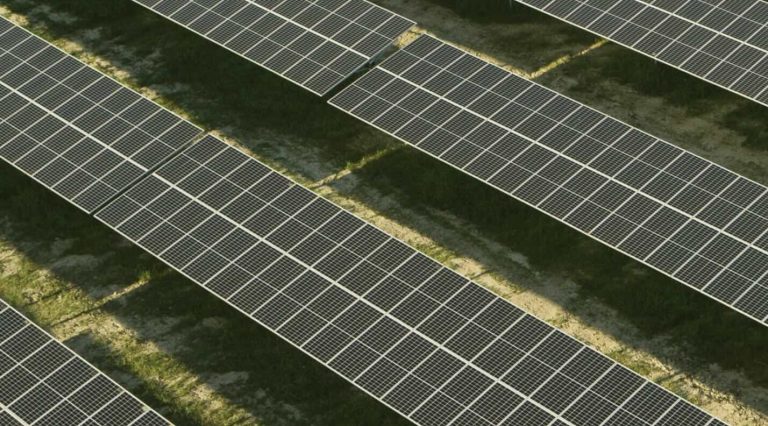
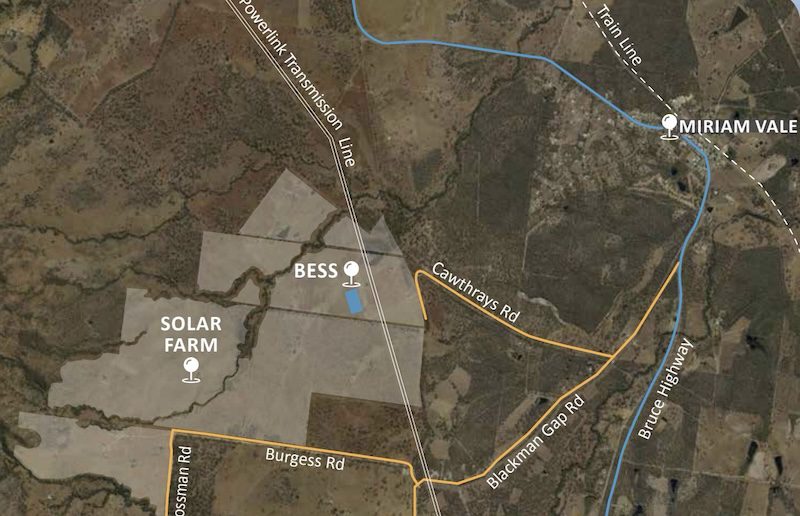
Organised resistance from the local community appears to have successfully halted a large solar battery hybrid initiative planned near the bustling port city of Gladstone in central Queensland. Developer Private Energy Partners (PEP) made a last-minute choice to withdraw the Miriam Vale project from the federal environmental approval process this week. This move follows a similar decision in June of the previous year regarding the state planning process.
Initially envisioned as a 484-megawatt solar facility equipped with four hours of storage, the project has faced significant scaling back. Last year, PEP acknowledged that major modifications and new state planning regulations necessitated a restart of the development application. The firm indicated that the extensive changes might also require a new federal application.
Changes to Project Plans
When announcing the withdrawal of their planning application, PEP cited various factors, including substantial adjustments to the project layout and imminent changes to the planning assessment framework in Queensland for solar installations. They noted that the current application would need to be resubmitted from the beginning. “We are in discussions with the Commonwealth… as the proposed changes… may necessitate a new determination due to the reduced development footprint and corresponding impacts,” the company stated.
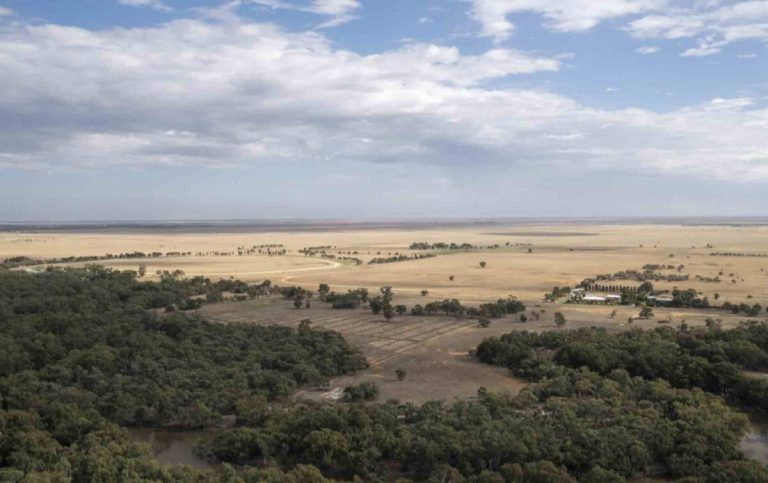
By June of last year, the solar undertaking had already been significantly diminished, reduced from 484 MW to 150 MW due to community feedback, though it still included a 500 MW battery component. The revised plans removed solar arrays from various sections of the site and introduced larger setbacks to better maintain the rural landscape and protect waterways, alongside a new bushfire management strategy.
PEP has mentioned on the Miriam Vale solar website that they are “finalising updated planning and design, and assessing resubmission via the appropriate approval authority.” However, the developer did not respond to inquiries about the current status of this plan in light of the recent EPBC developments. Originally, they aimed to commence construction later this year, targeting an operational date for the solar-battery facility in 2028.
Shifts in Queensland’s Solar Policy
In 2025, the Crisafulli government made significant legislative changes that required wind, solar, and battery projects to establish binding agreements with local councils outlining the anticipated social impacts and community benefits prior to submitting development applications. The reaction to these changes was mixed; while environmental groups applauded the emphasis on improved community engagement, they expressed concerns regarding the underlying motivations.
“This could potentially be a wolf in sheep’s clothing if the government uses this process to impede renewable projects based on ideology rather than evidence,” remarked Queensland Conservation Council (QCC) director Dave Copeman following the announcement.
The Miriam Vale project, situated in a region represented by staunchly anti-renewable energy federal MP Colin Boyce, faced already considerable community backlash. A petition submitted to the state government following the withdrawal of the planning application sought to reject the project outright and demanded an independent risk assessment to ensure safety for the local community.
With 1,472 signatures, the petitioners argued that the planning application submitted in 2024 failed to “consider the environment” or adequately evaluate a safe distance from the town of Miriam Vale.
Planning minister Jarrod Bleijie acknowledged that by the time of the petition, the solar project was no longer within the planning system, but insisted that the battery component still needed to adhere to the new regulations. He highlighted that these changes demonstrate the government’s commitment to empowering local communities through thorough planning assessments that take community sentiments into account.
Future Developments on the Horizon
While opponents of the Miriam Vale solar-battery initiative may find themselves celebrating this latest victory, other energy projects remain in play within the region. Spanish developer Global Power Generation is exploring the establishment of a 400 MW solar project alongside a 400 MW battery adjacent to the proposed Miriam Vale site.
Additionally, Sunshine Hydro plans a 100 MW, 12-hour battery further south, which will include a smaller solar installation and a green fuels centre. Moreover, they have initiated the EPBC process for the Djandori Gung-i pumped hydro project located in the hills to the west, which will boast a capacity of 1.4 GW with up to eight hours of storage.