Neoen Secures $1.1 Billion Funding for Groundbreaking Four-Hour Battery Project
Neoen secures $1.1 billion in debt financing for Australian renewable energy assets, including its first four-hour battery in Western Australia.
Solar Category of Renew Economic

Neoen secures $1.1 billion in debt financing for Australian renewable energy assets, including its first four-hour battery in Western Australia.

Meyer Burger to close German solar panel production due to market distortion and favorable conditions in the U.S., citing China’s overcapacity and trade restrictions.

Rio Tinto secures contracts for Australia’s largest wind and solar farms, but seeks government support for dispatchable power to ensure competitiveness of its manufacturing assets.

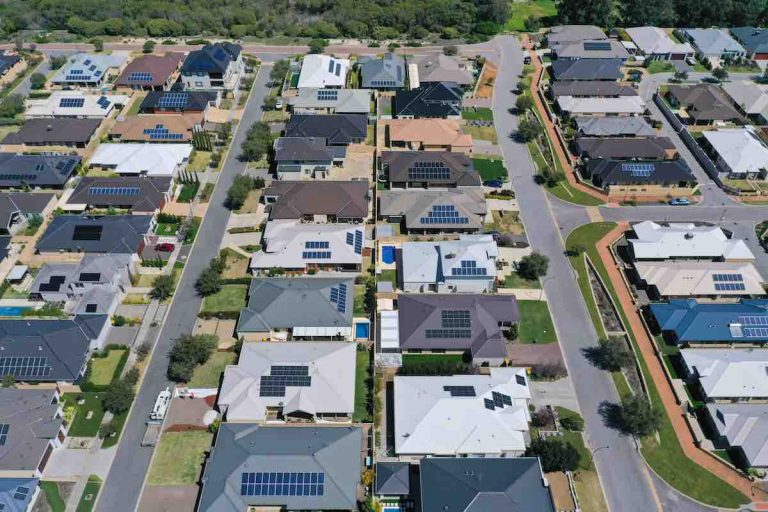
Rooftop solar capacity in Australia is projected to reach staggering levels, potentially exceeding typical average electricity demand, driven by factors like long-lasting solar panels, battery storage, manageable distribution, and increasing system sizes.
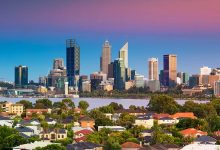
Western Australia’s power grid sets new demand record during extreme heatwave, with temperatures reaching 49.9°C.

Climate change will accelerate solar panel degradation in Australia, especially in hot and humid areas, potentially increasing energy costs by 10-12%.
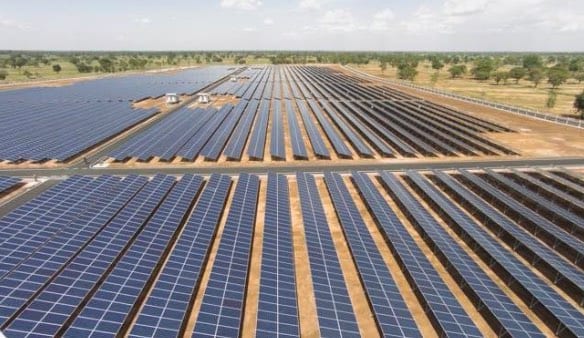
South Australia achieved an 82% share for wind and solar in Q4 2022, proving the rapid transition to renewables is possible.

Vast Renewables and Mabanaft secure $40 million in funding for solar thermal methanol production facility in Port Augusta, Australia.

South Australia achieved 82% renewable energy in Q4 2022, primarily from wind and solar, debunking myths about intermittent sources. The state’s success highlights the feasibility of high renewable penetration with minimal storage, challenging traditional grid assumptions.
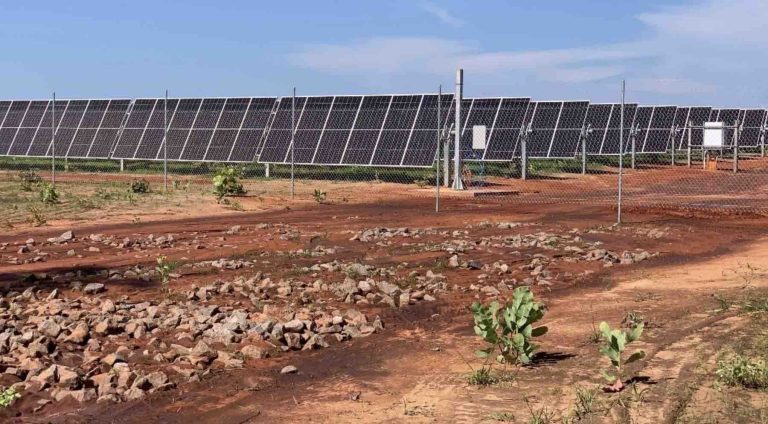
Proa’s technology enabled two delayed solar farms in Darwin to comply with strict performance standards, allowing them to supply power to the grid and Defence facilities.
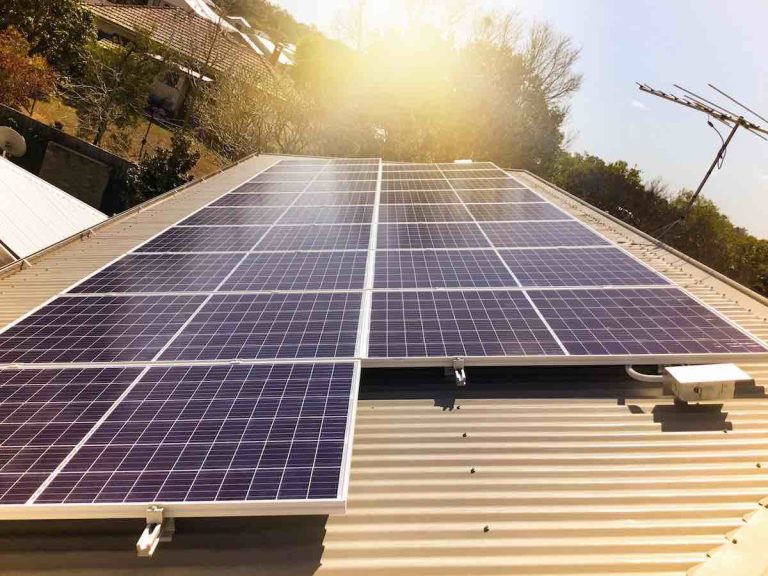
Energy Security Board report calls for integrating household solar into the grid, but lacks governance and competition reforms needed for a distributed energy system centered around households.
The Energy Security Board calls for coordinated leadership to integrate consumer energy resources like solar panels, batteries, and electric vehicles.