Gold Fields Invests $296 Million in Renewable Energy to Significantly Reduce Mining Costs
Gold Fields invests $296 million in wind and solar power at St Ives mine, reducing gas-fueled power bill by two-thirds.
Solar Category of Renew Economic

Gold Fields invests $296 million in wind and solar power at St Ives mine, reducing gas-fueled power bill by two-thirds.
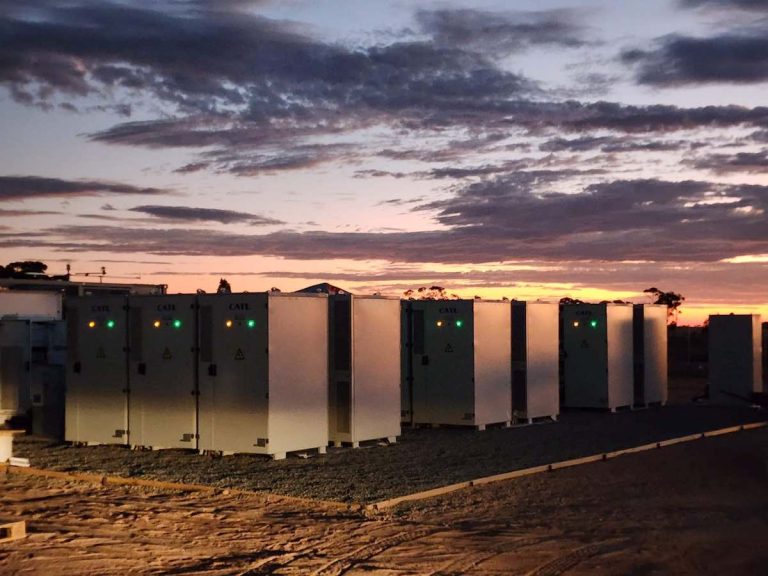
In 2023, rooftop solar and large-scale batteries drove Australia’s energy transition, with a record 5.9GW of new renewable capacity added.

Germany’s renewable energy share reached 22% in 2023, driven by solar, wind, and heating systems. Wind power alone surpassed lignite and hard coal production, while biomass remained dominant in renewable heating. Investments in renewables surged to €36.6 billion, saving 250 million tonnes of greenhouse gas emissions.
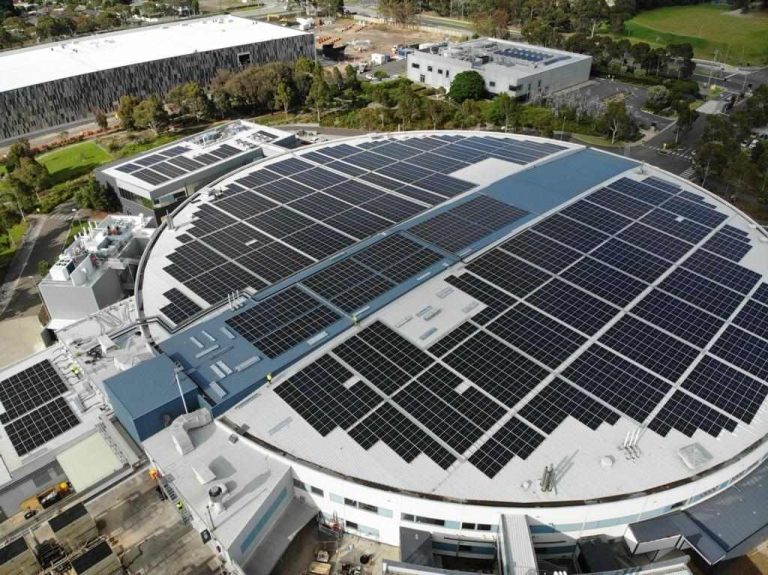
ANSTO’s Synchrotron facility installs a 1.59 MW rooftop solar system, saving $2 million annually and reducing its carbon footprint by 1,680 tonnes.
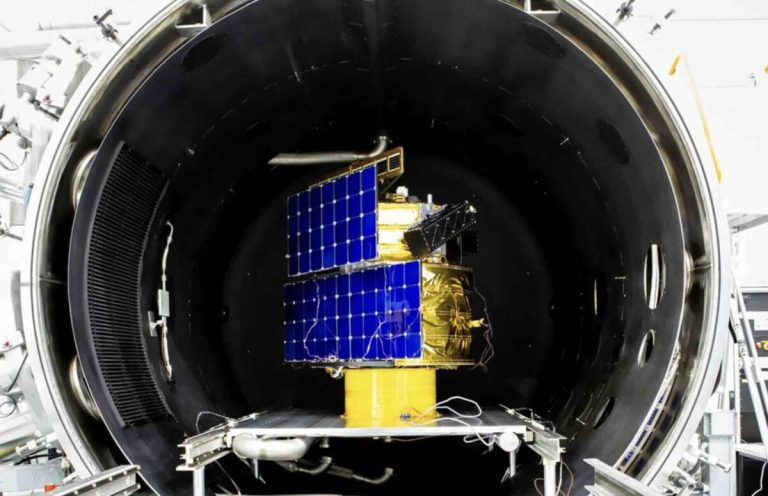
CSIRO’s printed flexible solar cells launched into space on Optimus-1 satellite to test their durability and efficiency in extreme space conditions.

European Energy secures funding for its first Australian solar project, the 56 MW Mokoan, with plans for a 1.3 GW solar farm and other renewable projects in the pipeline.
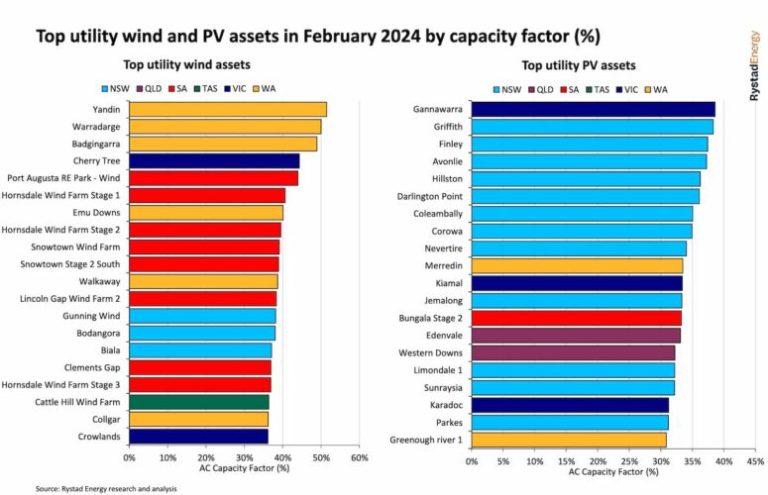
February 2024 saw record-breaking solar generation in NEM states, with NSW dominating the top performers. NSW also led in overall renewables generation, while WA wind farms excelled with high capacity factors.
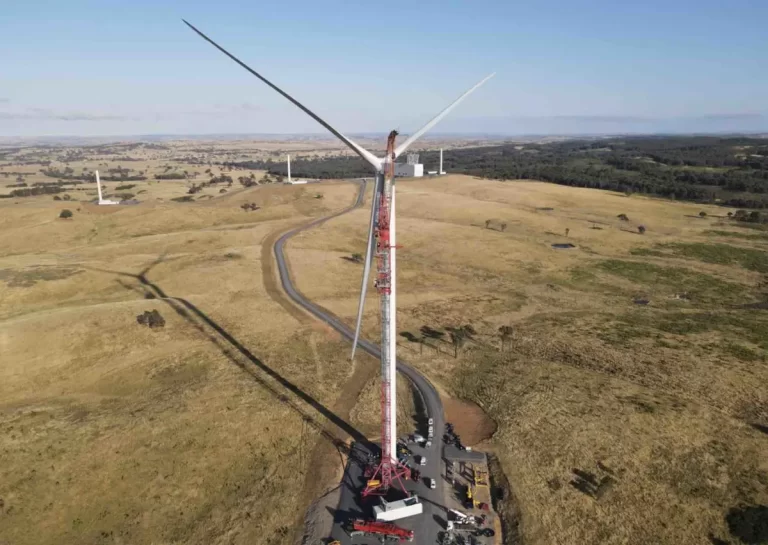
Renewable energy share in Australia’s National Electricity Market to exceed 50% by 2025, driven by Capacity Investment Scheme and demand growth.
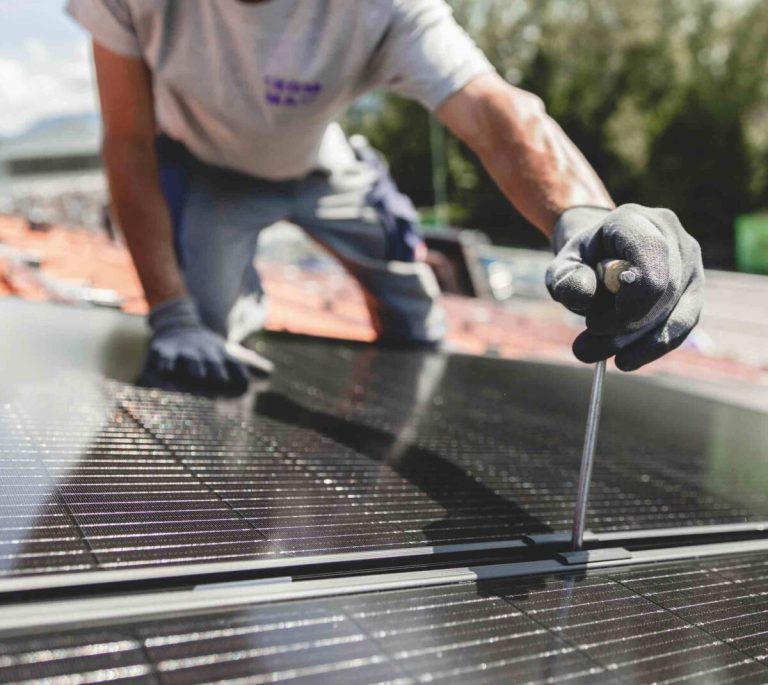
1komma5°, a German energy conglomerate, invests in Arkana Energy Group, its fourth Australian acquisition, aiming to provide comprehensive energy solutions.
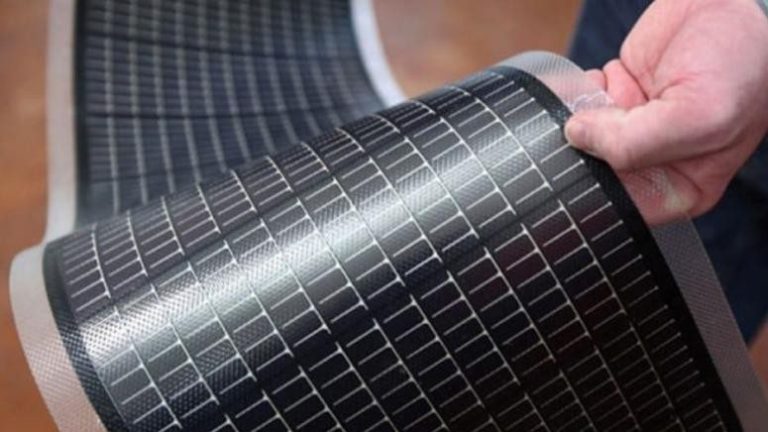
Ascent Solar’s flexible CIGS thin-film PV panels will power NASA’s LISA-T mission, demonstrating lightweight, high-power solar arrays for small spacecraft.
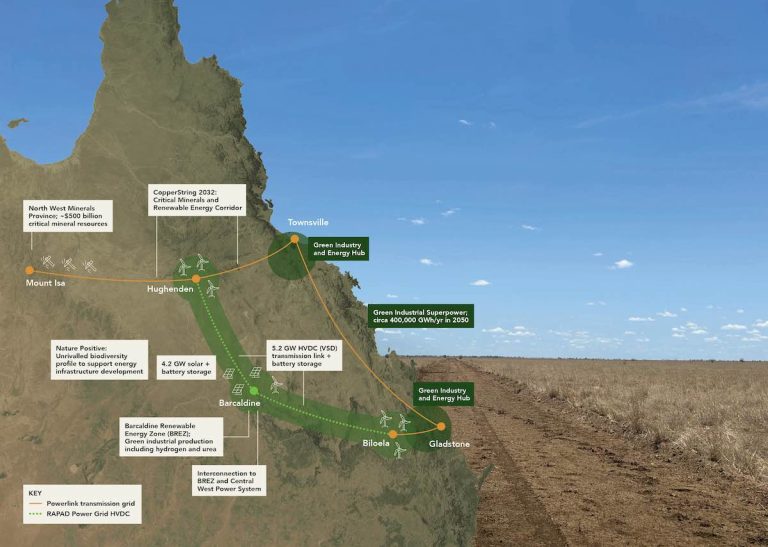
Central Western Queensland landholders can express interest in hosting renewable energy projects along a proposed 930km transmission line, aiming to support 5.2GW of renewable energy and integrate battery storage.
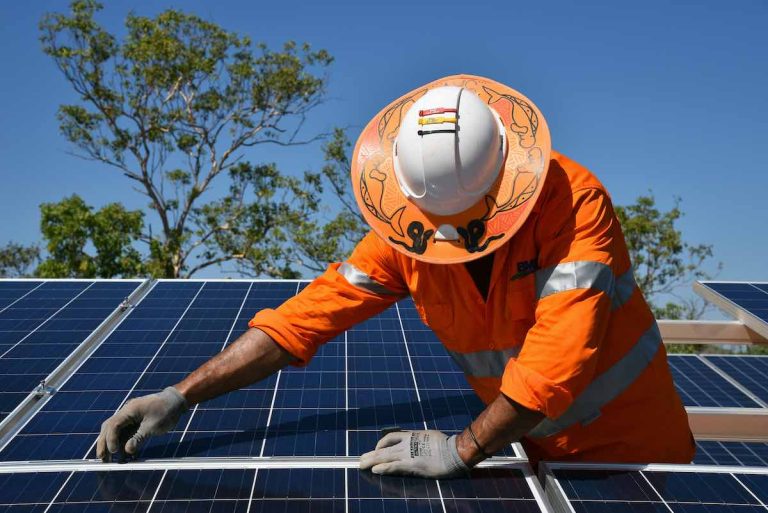
Harnessing the Northern Territory’s sunshine through solar energy could create sustainable jobs, reduce living costs, and establish a clean industrial base.