Western Australia Surpasses National Grid in Renewable Energy Transition
Western Australia’s isolated grid outperforms the National Electricity Market, achieving significant renewable energy milestones with wind and solar power.
Solar Category of Renew Economic
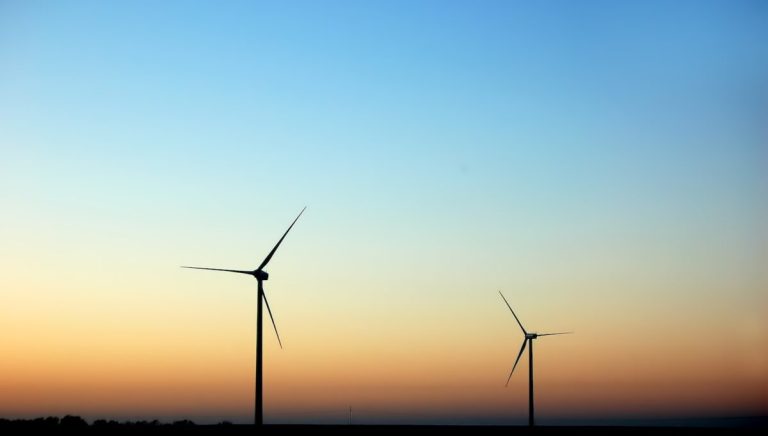
Western Australia’s isolated grid outperforms the National Electricity Market, achieving significant renewable energy milestones with wind and solar power.
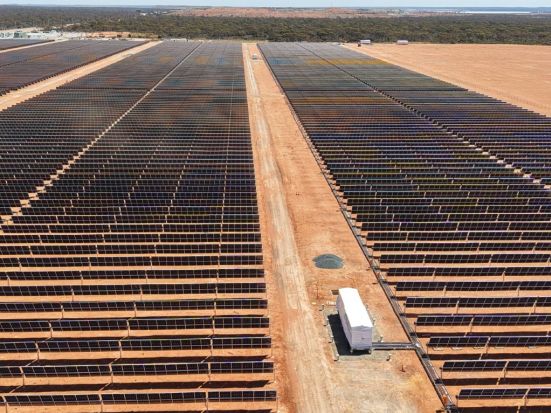
In 2025, wind and solar power generated 30% of EU electricity, surpassing fossil fuels at 29%, marking a significant milestone in renewable energy.
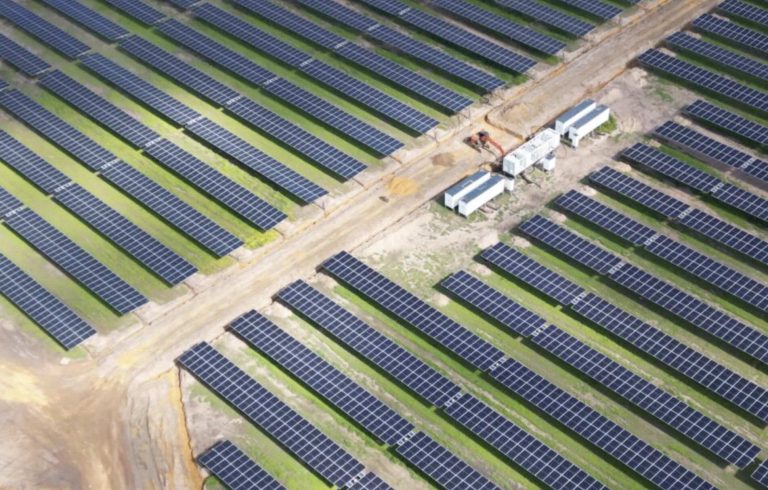
New South Wales aims to enhance solar-battery hybrid projects to meet energy demands and replace outdated coal-fired power stations by 2030.
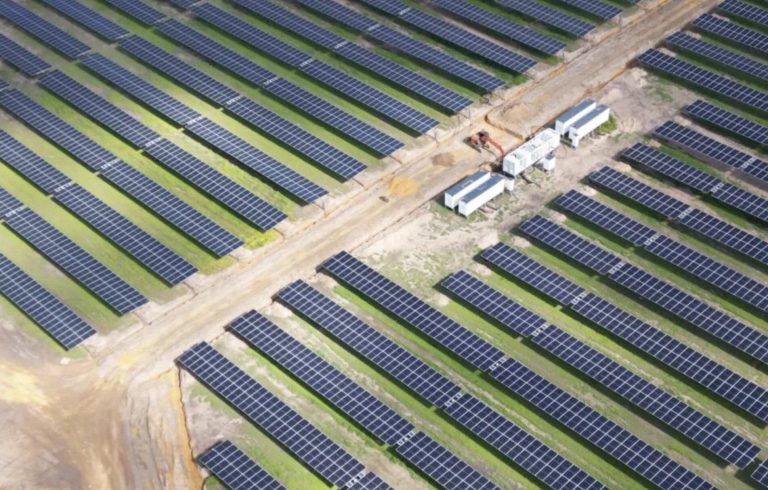
New South Wales aims to enhance solar-battery hybrid projects to meet energy demands and replace outdated coal-fired power stations by 2030.
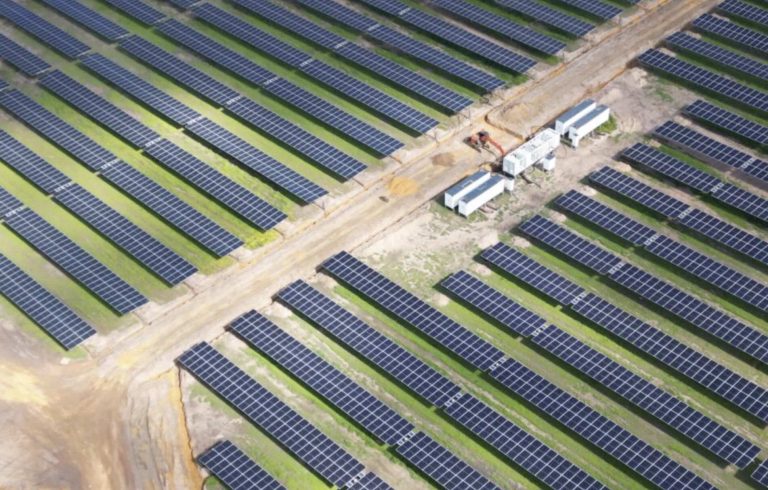
New South Wales aims to enhance solar-battery hybrid projects to meet energy demands and replace outdated coal-fired power stations by 2030.
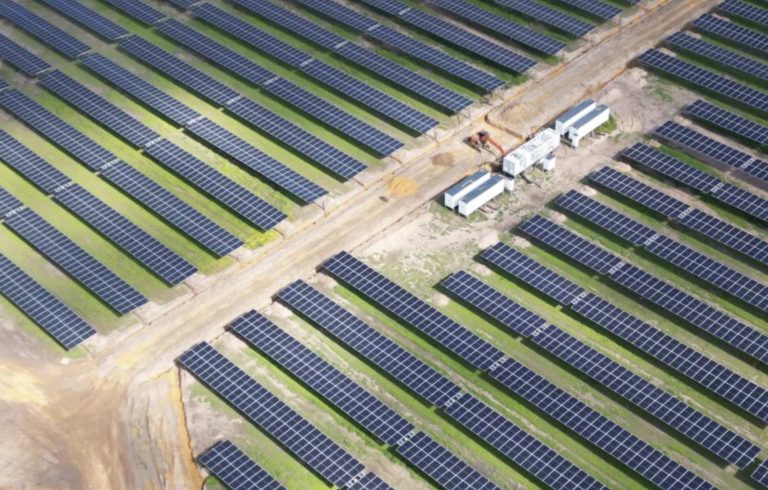
New South Wales aims to enhance solar-battery hybrid projects to meet energy capacity targets and replace outdated coal-fired power stations.
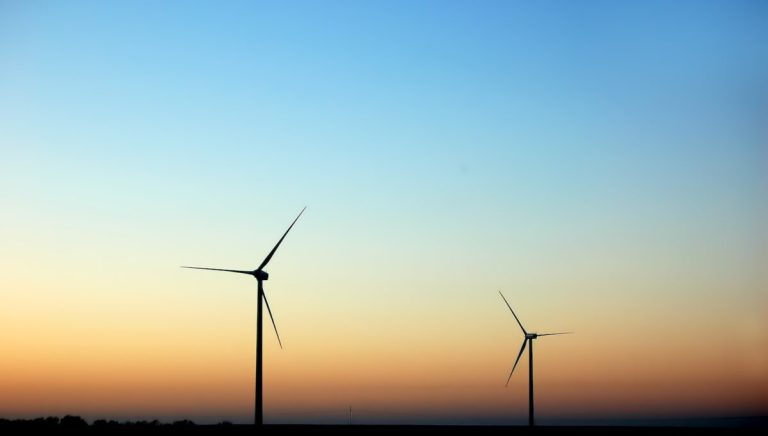
Western Australia’s isolated grid outperforms the National Electricity Market, achieving significant renewable energy milestones with wind and solar power.
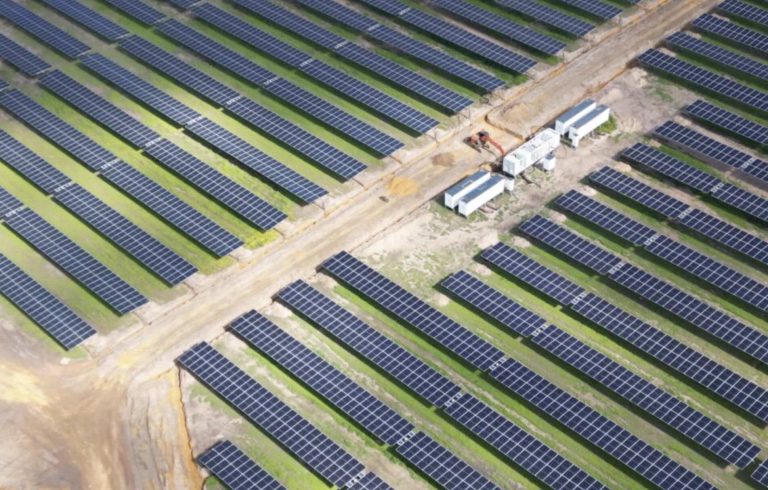
New South Wales aims to enhance solar-battery hybrid projects to meet energy demands and replace outdated coal-fired power stations by 2030.
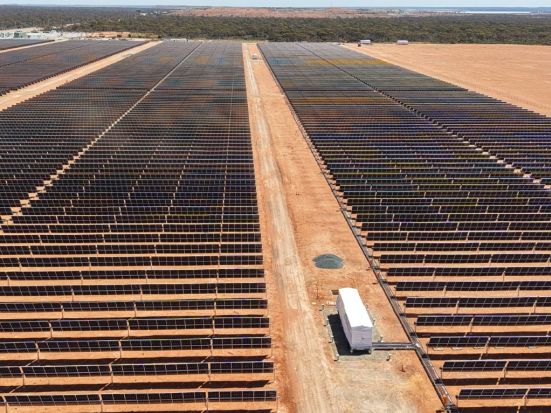
In 2025, wind and solar power generated 30% of EU electricity, surpassing fossil fuels at 29%, marking a significant shift towards renewable energy.
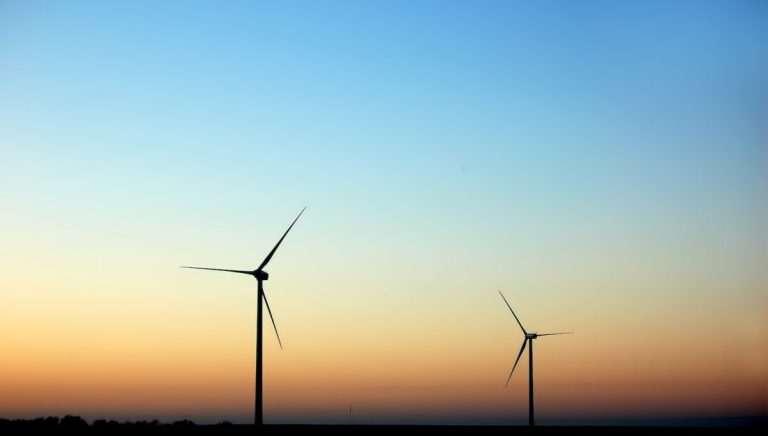
Western Australia’s isolated grid outperforms the National Electricity Market, achieving record renewable energy shares with significant contributions from wind and solar.
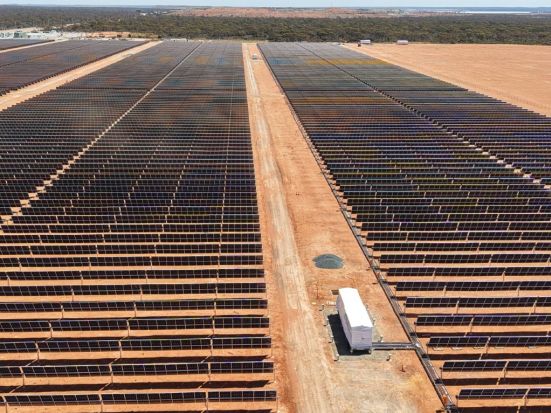
In 2025, wind and solar power generated 30% of EU electricity, surpassing fossil fuels at 29%, marking a significant shift towards renewable energy.
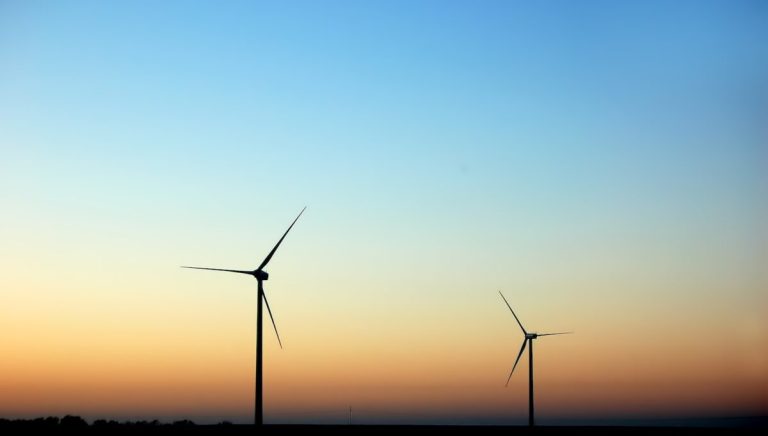
Western Australia’s isolated grid outperforms the National Electricity Market, achieving over 50% renewable energy share, driven by wind, solar, and battery storage.