European Energy secures finance for Australian solar projects
European Energy obtains €70 million financing for 106 MW Lancaster and 31 MW Mulwala solar projects in Victoria and New South Wales, aiming for completion in 2026.
Solar Category of Renew Economic
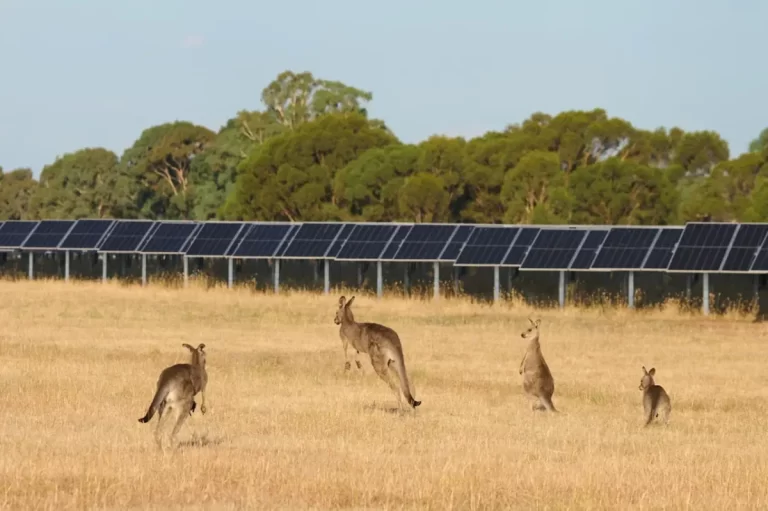
European Energy obtains €70 million financing for 106 MW Lancaster and 31 MW Mulwala solar projects in Victoria and New South Wales, aiming for completion in 2026.
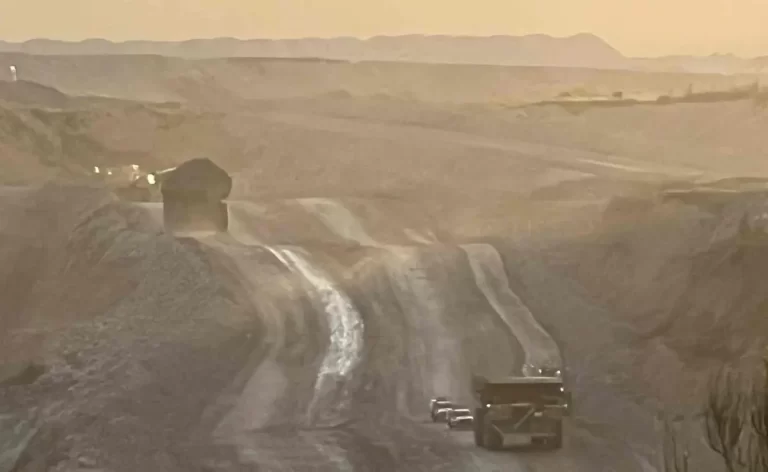
Study reveals abandoned coal mines in Australia could host up to 73GW of solar energy, offering a sustainable solution for clean energy deployment and job creation.
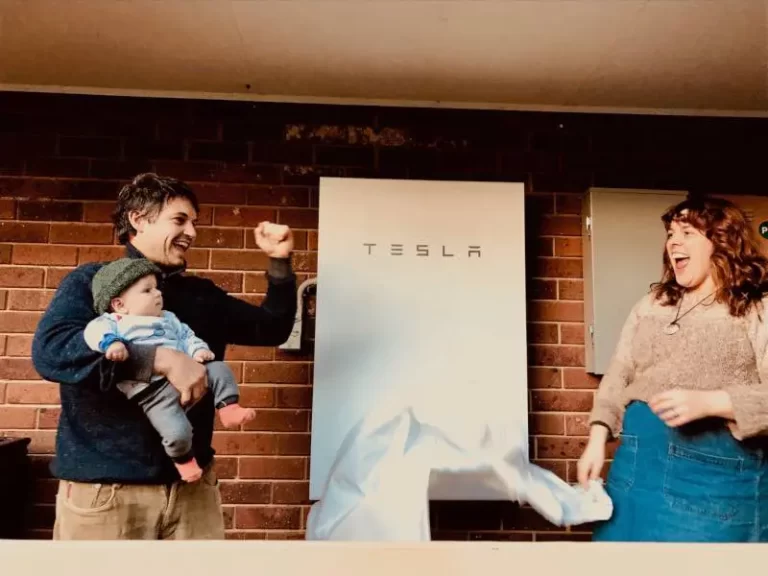
Energy executives emphasize coordinating consumer energy resources like rooftop solar and home batteries to reduce costs and drive down electricity prices, highlighting the importance of grid connection and smart software.

Neoen commissions 350MW Culcairn solar farm in NSW, generating clean electricity for 155,000 homes with plans for a large battery storage facility.
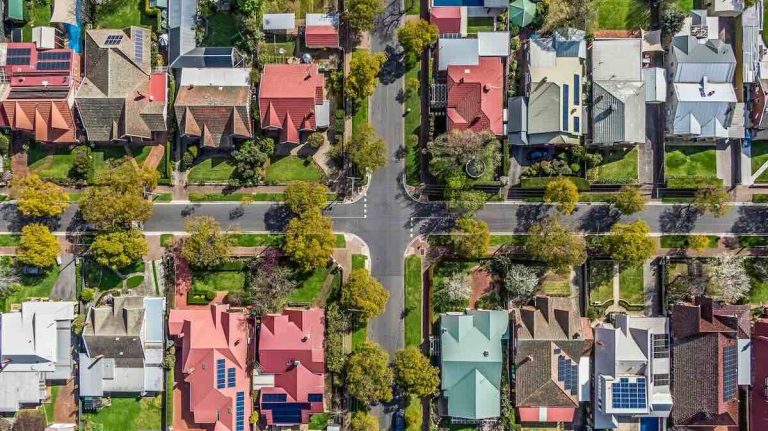
CEO urges faster collaboration for energy reform to maximize benefits of rooftop solar integration, setting a gold standard for renewable grids and calling for critical industry changes.

Tindo Solar secures $8.4 million deal to supply 15MW solar panels to Vietnam, showcasing Australian manufacturing excellence and product quality in the international market.
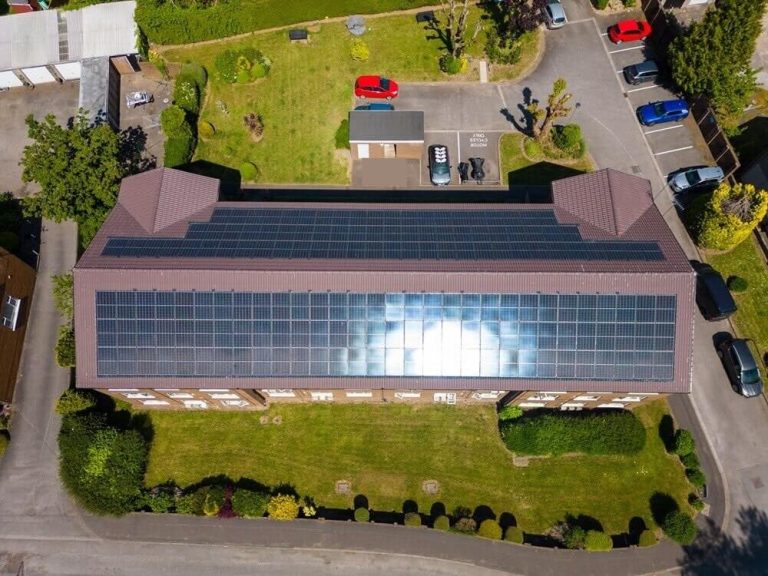
Allume, an Australian rooftop solar pioneer, secures funding from E.ON UK to expand its shared solar system for apartments globally, aiming to make clean energy more inclusive and affordable.
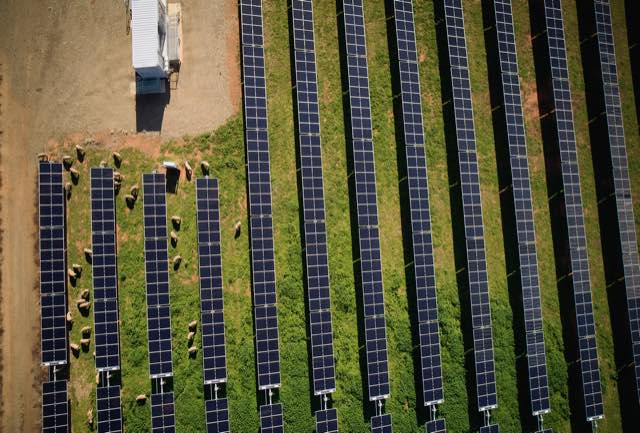
A recent survey shows that most residents living near solar farms support more projects, emphasizing the need for education and community engagement in renewable energy development.
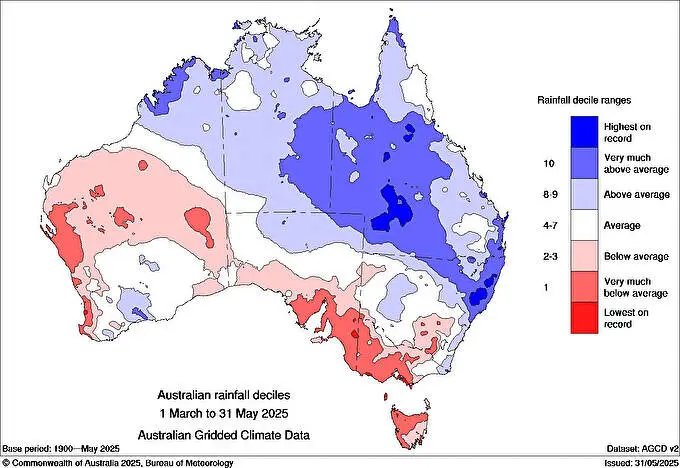
Autumn 2025 brings sharp contrasts in weather patterns affecting solar farm conditions across Australia. Diverging solar irradiance patterns impact utility-scale solar farms in the NEM.
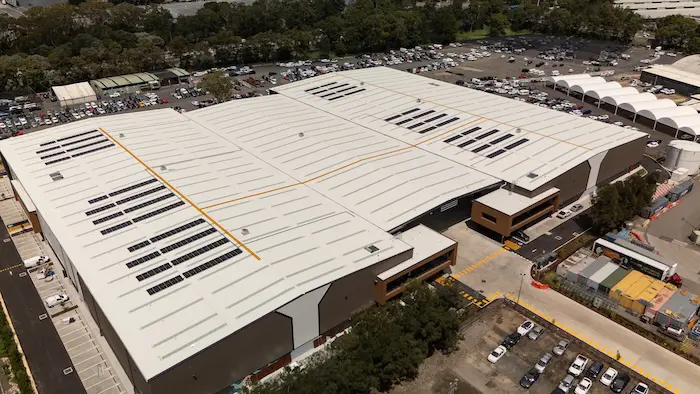
Sydney could lead Australia in renewable energy by utilizing rooftop solar, community batteries, and virtual power plants, creating a self-sufficient energy hub within the city.
ElectraNet reports significant changes in demand with over 50% homes having rooftop solar, leading to negative demand and increased interest in renewable grid connections.

Transition to wind and solar in South Australia sparks industrial growth with 37 companies seeking to connect to the state grid, showing the potential for renewable energy in the industry sector.