Canberra Battery Funds Solar for Charities via Community Benefit Program
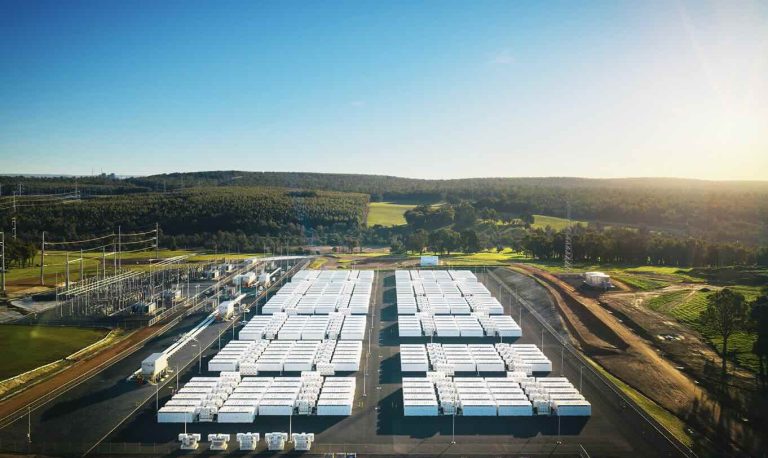
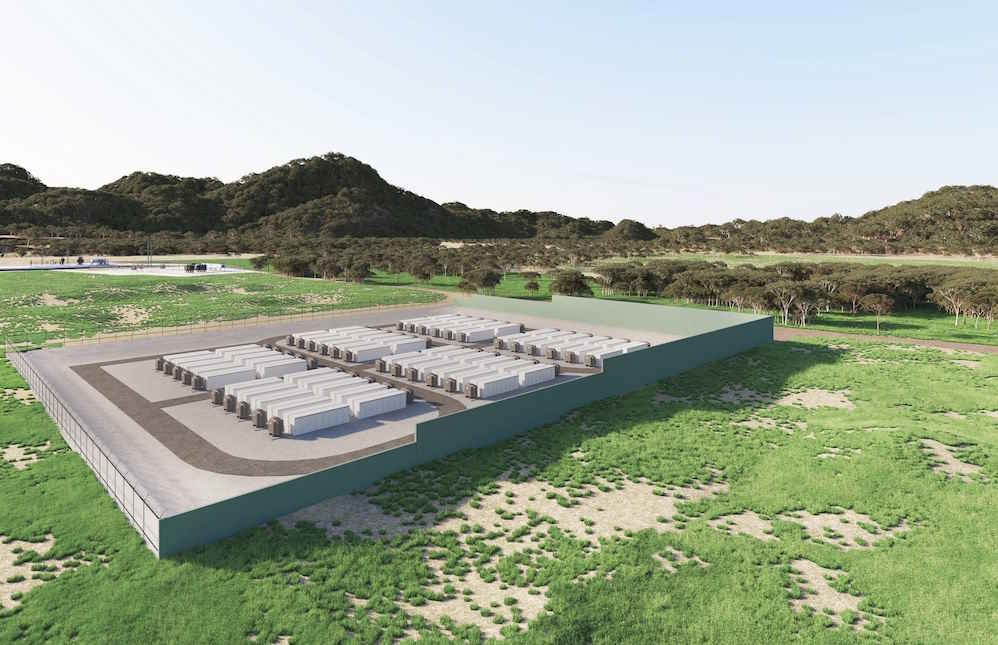
Eku Energy’s 250 megawatt (MW) / 500MWh battery installation at Williamsdale, Canberra, is set to fund two rooftop solar and battery systems for local not-for-profit organisations, as part of a $500,000 community benefit programme.
On Wednesday, Eku Energy announced the recipients of the funding through its Powering Big Dreams initiative, which was established following a unique revenue-sharing agreement with the ACT government in late 2024. The Williamsdale battery energy storage system (BESS), situated in Tuggeranong, is a key component of the ACT government’s Big Canberra Battery project aimed at achieving net zero emissions in Australia’s capital by 2045 while enhancing energy security.
Funding for Environmental and Community Support
Eku Energy, which is part of the investment firm Macquarie, revealed that the total funding of $500,000 is dedicated to supporting the environmental integrity around the BESS, promoting energy independence for local communities, and backing various social support initiatives. Among the selected projects is the installation of a 40kW solar panel combined with a 9 kWh battery at a series of distribution warehouses run by the St Vincent De Paul Society in Canberra, aimed at reducing their energy expenses.
Additionally, a separate solar and battery setup will be implemented at Lady Hayden House, a social accommodation facility managed by YWCA Canberra, which provides housing for older women facing homelessness. Eku Energy’s head of policy, Rachel Rundle, highlighted that the $500,000 grants initiative is part of their agreement with the ACT government, complementing another partnership that also involves $500,000 in funding directed towards battery storage and grid integration at the Australian National University.
Making a Difference for Local Communities
Rundle explained that while community benefit initiatives are becoming increasingly obligatory for renewable energy developers under planning regulations, Eku Energy has always recognised their importance. “It’s essential for us to share these advantages with the local communities that host our infrastructure, which remains long-term,” she noted during a recent interview with Renew Economy. “The selection process for grant recipients revolved around identifying how we could provide support that fosters self-sustainability and enhances their capacities, reducing future dependence on external funding.”
According to Hammad Naqvi, sustainability and projects manager at St Vincent De Paul Society, the warehouse in Mitchell, which will receive the new solar and battery system, acts as the “engine room” behind the 11 Vinnies op shops across Canberra. “The warehouse processes over 2,000 tons of goods such as homewares, clothing, and books each year, playing a crucial role in bolstering the circular economy in Canberra. By funding solar power, the grant will help Vinnies lower operational costs and thereby enhance the effectiveness of our social programmes and environmentally significant work,” Naqvi explained.
He added, “This installation not only aids in reducing costs but creates a comfortable, air-conditioned work environment for our staff, especially important given Canberra’s extreme weather conditions.”
Empowering Vulnerable Tenants
Rundle further elaborated that the solar and battery installation at Lady Hayden House aims not only to decrease energy costs for YWCA but also to empower its residents. “Tenants contribute to the housing facility’s operational costs, which can be challenging for some. Thus, assisting them in maintaining stable housing while managing their expenses effectively is an important goal,” she stated.
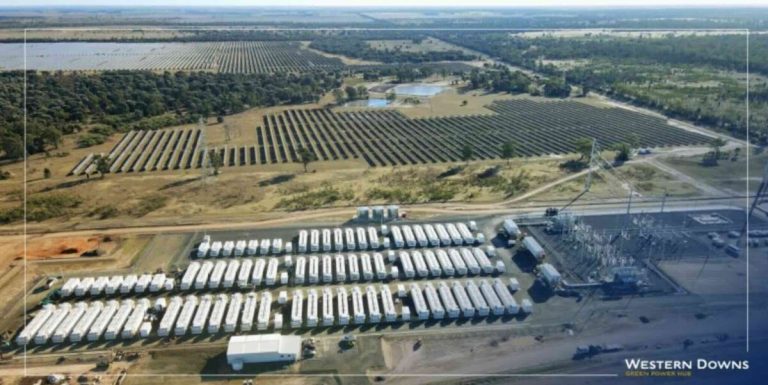
As Eku Energy advances with numerous large-scale battery projects throughout Australia – with ten projects currently at various stages of development – Rundle emphasised the necessity of genuine community engagement and open communication. “We aim to be respectful, listen, and share knowledge in the best possible way, maintaining a partnership approach,” she remarked.
She also mentioned the flexibility in their approach, indicating that sometimes community needs might be better met through contributions to local initiatives rather than just through grants. “We’re not limiting ourselves strictly to a grants programme, as we are open to collaborating on wider community necessities like road or bridge upgrades,” she said.
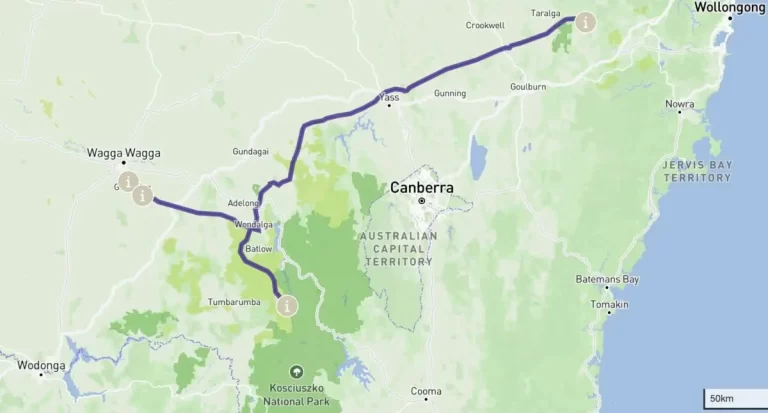
In addition, Eku is developing an eight-hour, 100 megawatt (MW) battery project in the Riverina region of New South Wales, with plans for construction anticipated to commence later this year following financial completion.
“We’ve hosted multiple drop-in sessions and engaged in numerous discussions with the council to understand various social programs they’re implementing, and we are excited about collaborating with them,” she added.