Buying Neighbour’s Solar Energy: A Game Changer for Local Markets
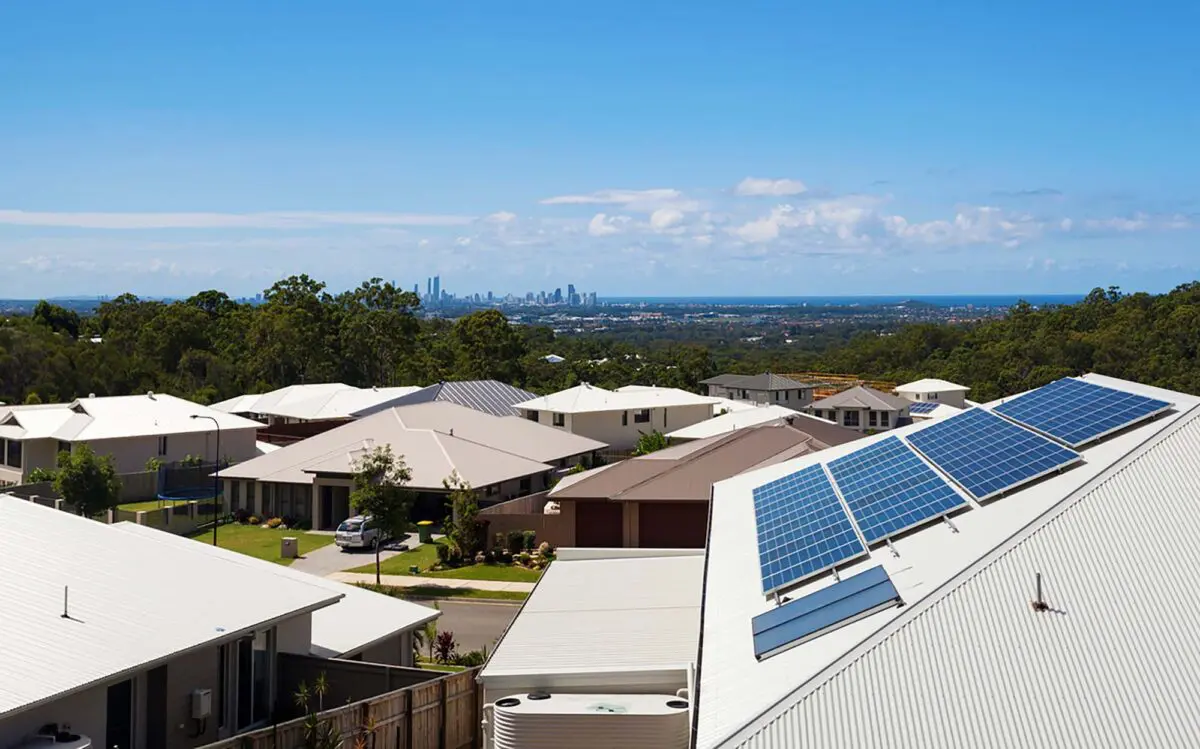
In a country blessed with abundant sunshine like Australia, the adoption of rooftop solar has surged, yet the advantages have not been equally shared among all consumers.
A new initiative from Deakin University aims to address this imbalance by trialling an innovative concept that could transform the way electricity is generated, traded, and consumed: virtual energy networks (VENs).
Understanding Virtual Energy Networks
A virtual energy network is essentially an online platform that enables everyday users—both households and businesses—to buy and sell solar energy directly with one another.
Supported by Energy Consumers Australia and utilising the Powertracer software, this Deakin-led trial investigates how households and small enterprises within the National Electricity Market (NEM) can engage in direct solar energy trading, akin to swapping homegrown vegetables with neighbours.
The Benefits of VENs
Whether it’s offloading surplus solar energy to a neighbour, a local café, or even a second property, VENs promise a more equitable and decentralised energy marketplace. They also introduce enhanced flexibility in consumer interactions with the grid, although outdated tariff structures may pose challenges.
VENs not only allow households without solar panels to access solar energy but also offer lower prices for buyers and more favourable rates for solar producers compared to conventional retailer feed-in tariffs. “It’s logical to seek a better deal than what you’d typically pay under your usual contract,” explains Associate Professor Dr Andrea La Nauze, the lead researcher on the Deakin trial, during a recent episode of the SwitchedOn Australia podcast.
Current Trial and Participation
The Deakin trial is currently seeking up to 400 households and businesses to participate, specifically targeting customers of Energy Locals, a retailer known for its transparent business practices. Instead of profiting from energy consumption, Energy Locals operates on a flat subscription fee and provides energy at wholesale rates.
Participants must have a smart meter and reside in one of the NEM states: Queensland, New South Wales, ACT, Victoria, Tasmania, or South Australia. They can opt for peer-to-peer trades—selling to a neighbour or family member—or community trades, where they buy from or sell into a state-based pool at a price they set.
Once trade preferences are established—such as agreeing to sell solar energy to a neighbour for 8 cents per kWh—the system operates automatically. “It will function effectively as a set-and-forget option,” La Nauze notes.
Potential Impact on the Electricity Grid
In addition to helping consumers secure better deals and bolstering local energy supplies, La Nauze hopes the trial will