Big Batteries Surpass Solar in World’s Largest Isolated Grid
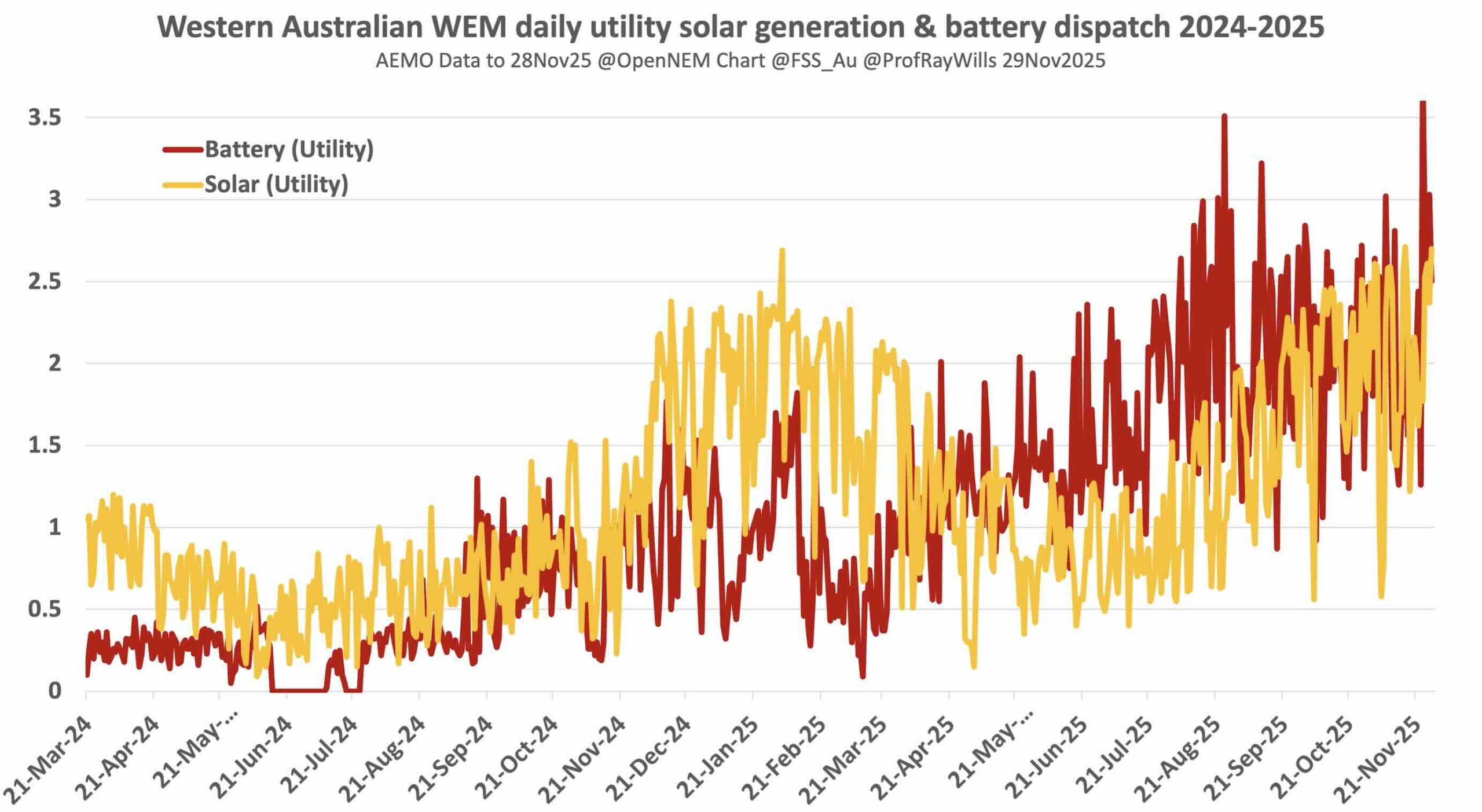
The recent expansions in utility-scale battery storage have increased the total capacity in Western Australia’s main grid (the WEM) to an impressive 1,385 megawatts (MW) and 5,367 megawatt hours (MWh). This advancement now allows battery discharges to surpass the daily contributions from utility-scale solar energy.
Recent data from the past week highlights the remarkable performance of the W.A. grid, known as the world’s largest isolated grid without connections to other regions. Battery penetration has frequently exceeded 20% during evening peak dispatch times.
Capitalising on Demand
The output from large battery systems is particularly aimed at periods when rooftop solar energy generation is lower, aligning with peak demand times. Among these significant batteries are Neoen’s massive 560 MW, 2,240 MWh Collie battery and the nearly finished 500 MW, 2,000 MWh battery from Synergy, both located in Collie.
Renewable Energy Milestones
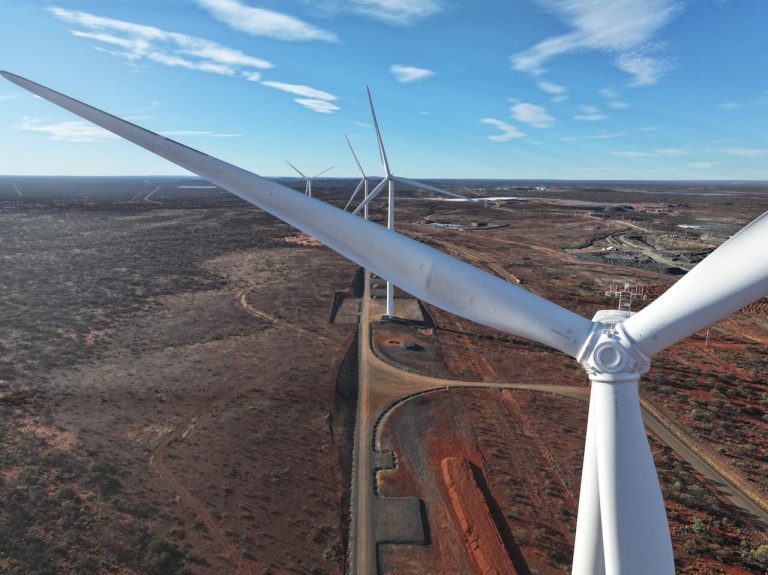
Renewable energy’s contribution to W.A.’s WEM has consistently surpassed the minimum threshold of 20% penetration, achieving remarkable heights of 80% or higher on a daily basis. This trend emphasises the necessity for the region to increase its wind energy output at least threefold to adequately meet night-time power demand.
The accompanying graph neatly illustrates the prevalent role of rooftop solar (depicted in yellow) during midday and the concurrent charging of large batteries (shown in pink below the line). The battery dispatch, represented in red, is evident during both the evening and morning peaks.
It is important to note that the total capacity for battery storage does not include the 55MW/220 MWh hybrid battery at the Cunderdin solar farm, as this installation is classified by AEMO as part of a solar farm.