BHP Merges Solar Farm Plans into Larger Renewable Project
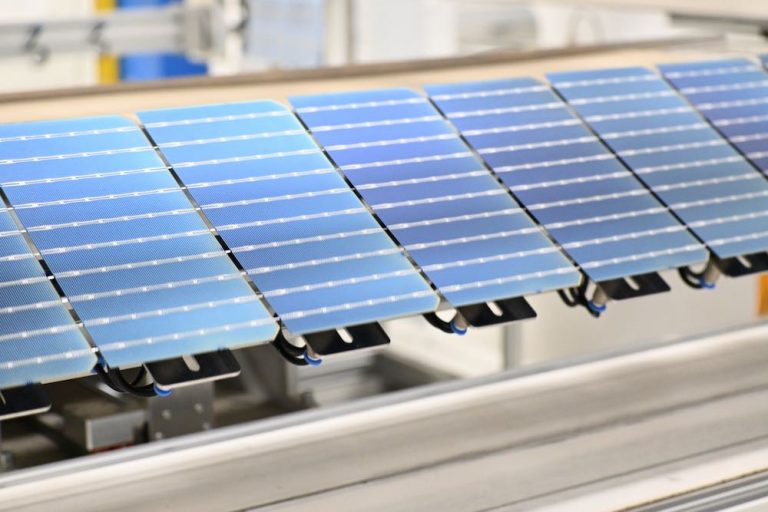
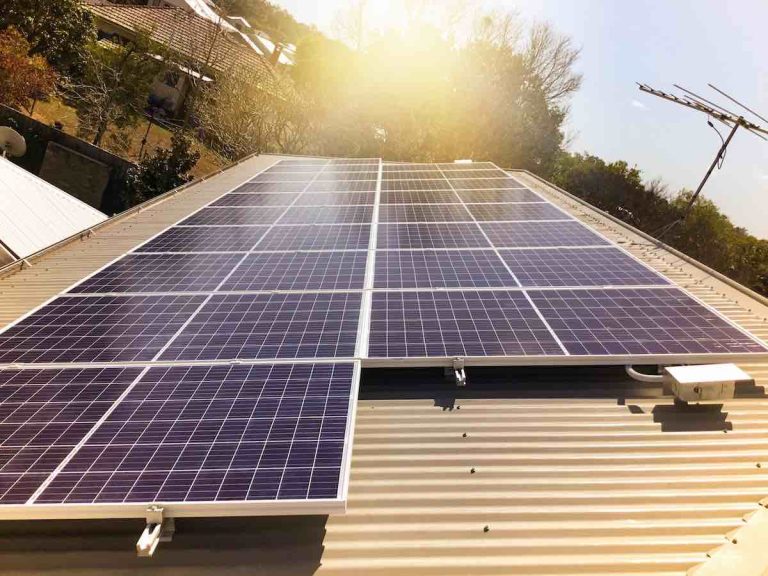
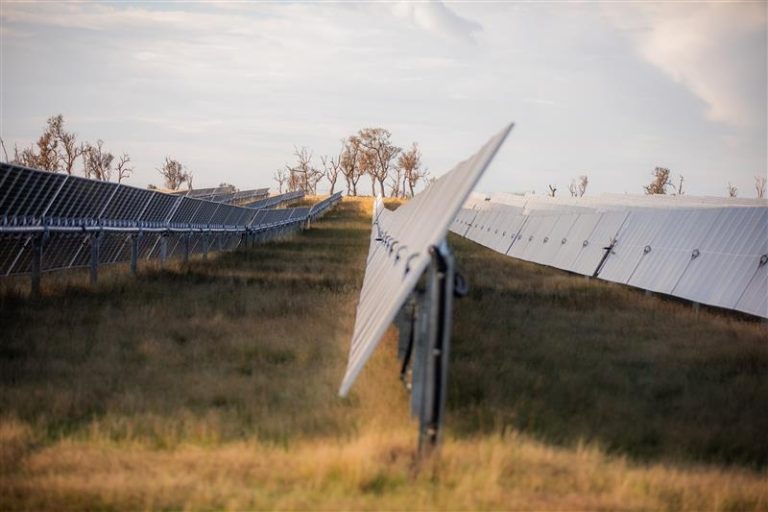
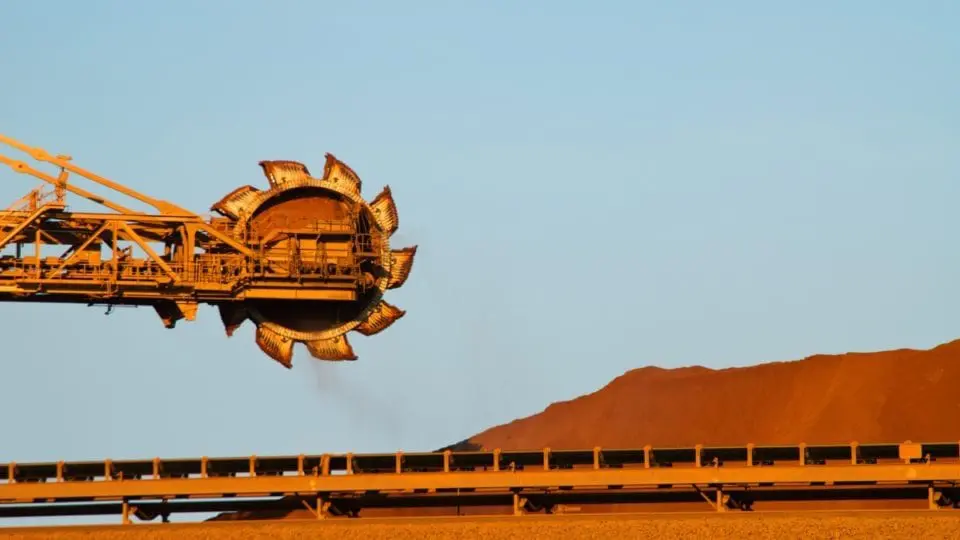
BHP has announced that its plans for a solar farm at a Pilbara iron ore mine have been merged into a more extensive renewable energy initiative involving solar, wind, and battery technologies. This comes in light of reports suggesting that the mining company is abandoning certain projects aimed at reducing carbon emissions.
According to ABC News, BHP has scrapped its plans for a 50 megawatt (MW) solar farm at the Jimblebar mine and a 40 megawatt-hour (MWh) battery storage system in Newman due to budget constraints. Internal documents cited by the ABC indicate that these projects have been halted because of “capital constraints.”
Greens Criticise BHP’s Decision
The Greens have seized upon these developments, arguing that BHP’s shift in strategy reflects a wider trend among fossil fuel companies retreating from decarbonisation efforts when they threaten profit margins. Senator Steph Hodgins-May, the Greens spokesperson for resources, stated, “BHP is one of the world’s largest polluters, yet it has chosen to abandon projects that would have slashed its emissions.” She further emphasised that this decision contradicts climate science and the Paris Climate Accord, which BHP professes to support.
BHP’s Commitment to Decarbonisation
In response to the backlash, Dan Heal, BHP’s vice president of operational decarbonisation minerals in Australia, asserted that the company remains “firmly committed” to decarbonising and electrifying its mining operations in Australia. He explained that the previously proposed solar project has been integrated into a larger renewable energy strategy that aligns with the increasing demand for electrification in their mining activities. “Studies are well underway on this,” Heal noted.
Heal acknowledged that while electrification is the preferred method to reduce diesel use—BHP’s largest source of operational greenhouse gas emissions in the Pilbara—the development of some decarbonisation technologies has faced delays. This refers to the postponement of electrifying BHP’s fleet of large mining vehicles, as highlighted in the company’s recent financial results presentation.
Despite these challenges, Heal mentioned that BHP is collaborating closely with technology manufacturers and anticipates commencing trials of battery electric haul trucks and locomotives at its Western Australian operations “in the coming months.” He highlighted that over 70% of the electricity consumed at their sites is now sourced from renewable energy, reinforcing their commitment to expanding renewable energy initiatives in the future.
Heal concluded by reaffirming BHP’s dedication to its climate goals, stating that the company is on track to achieve its operational greenhouse gas emissions reduction target for the fiscal year 2030. BHP aims for a 30% reduction in Scope 1 and 2 greenhouse gas emissions from its operational assets by 2030, based on a 2020 baseline. Notably, the company’s operational GHG emissions are already reported to be 36% below the FY20 baseline.