Bellevue Gold Mine Achieves 90% Renewable Energy, Cuts Diesel Costs
The Bellevue gold mine, located in a secluded area of Western Australia, has reported that approximately 90 per cent of its energy in the past month has come from renewable sources. This significant achievement has shielded the operation from rising diesel costs and supply issues that have been affecting other mining companies.
With an impressive 90 megawatt hybrid power plant, Bellevue has established itself as a front-runner in the industry, consistently maintaining a renewable energy proportion of around 90 per cent, including a remarkable stretch where the engines were turned off for nearly five days. This commitment to renewable energy not only yields considerable cost savings but has also positioned Bellevue as the world’s first “net zero” gold mine. Given the ongoing geopolitical tensions in the Middle East, which have intensified the fossil fuel supply crisis, Bellevue’s renewable approach is reaping even greater rewards.
Impressive Operational Figures
In its latest update released to the ASX on Wednesday, Bellevue Gold reiterated its ability to operate with an exceptional renewable energy rate of about 90 per cent throughout March. The company has stated, “Bellevue’s direct exposure to diesel costs continues to be one of the lowest in the sector.” As of the financial year ending 28 February 2026, diesel purchases accounted for roughly 1.3 per cent of total project costs, further demonstrating Bellevue’s resilience in the face of diesel supply shortages.
Comparative Insights with Competitors
This figure of 1.3 per cent is notably lower than the four to five per cent reported by Liontown Resources, an influential player in the lithium sector. Liontown, led by Gina Rinehart, a known critic of renewable energy, has indicated that over 80 per cent of its power is supplied by its hybrid energy system at the Kathleen Valley mine, which includes wind, solar, and battery storage.
During a recent analyst briefing, Liontown’s CEO Tony Ottaviano noted, “We are 80% renewable. That gives us a very big advantage. So most of our power is generated by renewable sources. Our total diesel cost is about 4% to 5% of our overall cost base.” This level is considered low in the mining industry, particularly in light of a recent report from brokers Bell Potter, which suggested that diesel expenses can amount to as much as 15 per cent of total costs for off-grid mines—before accounting for the recent price hike of 50 per cent, bringing costs to approximately $3 a litre.
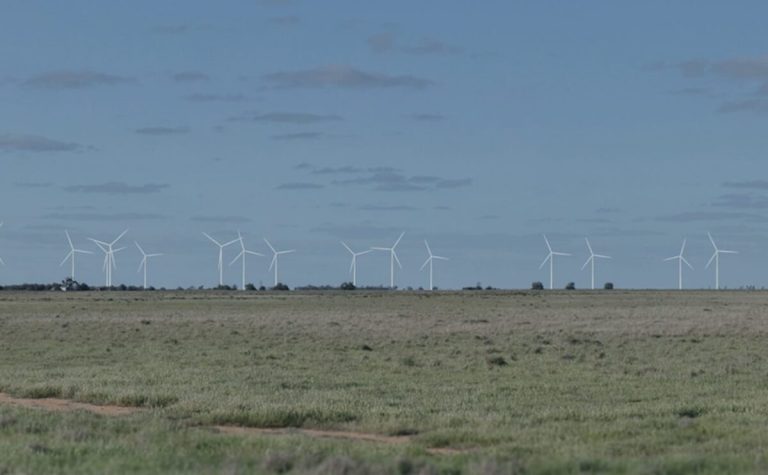
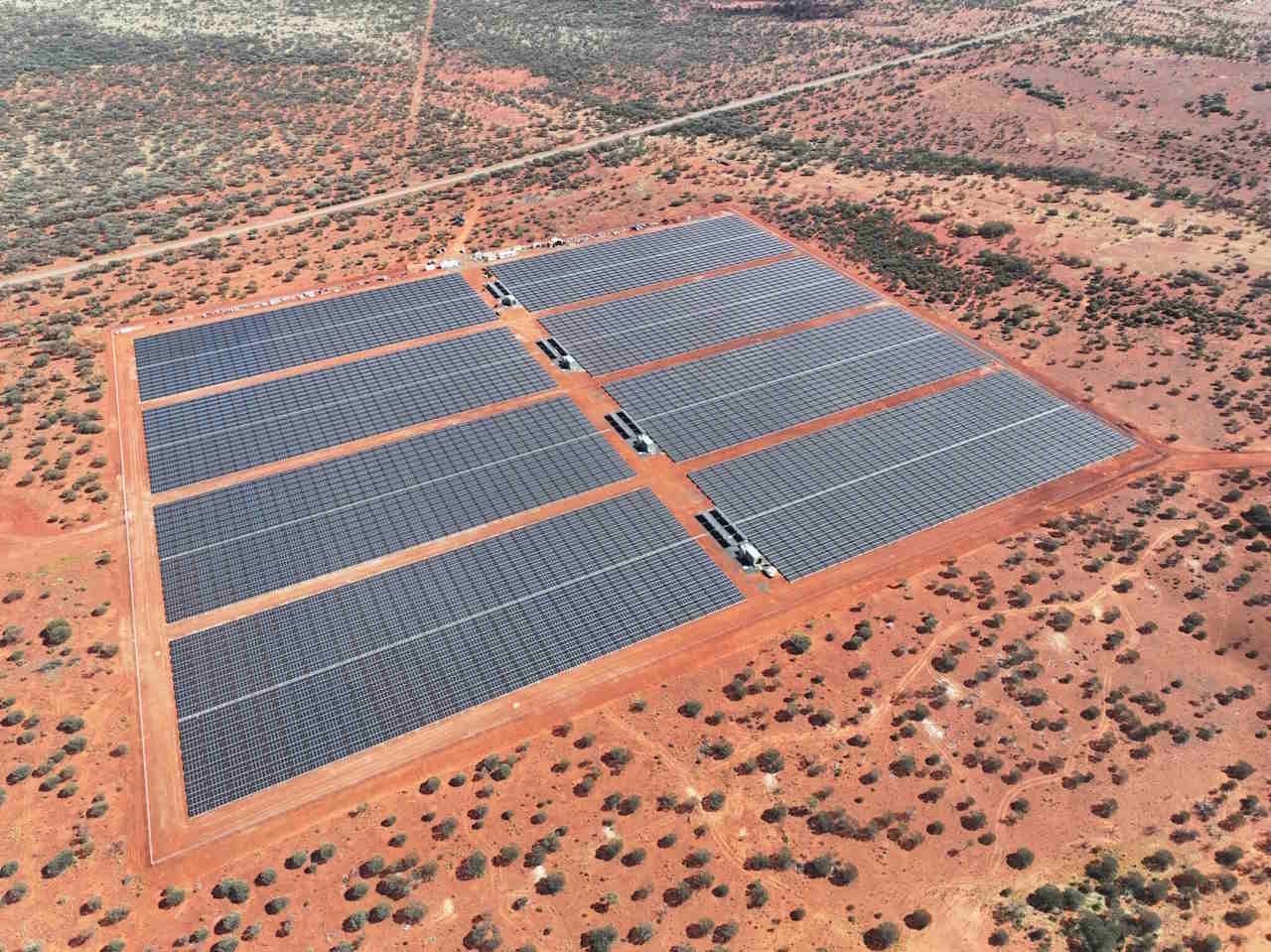
Zenith Energy is responsible for the off-grid power solutions at Bellevue, which include a setup featuring four wind turbines with a collective capacity of 24 MW, a 27 MW solar farm, and a battery energy storage system capable of 15 MW/33-megawatt-hours (MWh) alongside 24 MW of thermal generation. In comparison, Liontown’s system at Kathleen Valley, also supplied by Zenith Energy, comprises 30 MW of wind, 17 MW of solar energy, and an integrated 17 MW, 19 MWh battery, which was introduced last year.