Batteries and Solar Hybrids Lead Australia’s Renewable Energy Pipeline
Wind energy continues to represent approximately half of all new connection inquiries within Australia’s main grid, yet the transition from these inquiries to actual project applications and construction is rapidly decreasing, according to new statistics.
The latest Connection Scorecard from the Australian Energy Market Operator (AEMO), which monitors new project proposals for the National Electricity Market, reveals that AEMO has recorded around 180 gigawatts of connection inquiries. However, only about a quarter of these inquiries progress beyond this initial stage.
Investment Pipeline Insights
AEMO currently identifies 64 GW of projects that have advanced beyond the inquiry phase and are now in the investment pipeline for connection to the grid. This includes 26 GW in the connection application phase, 26 GW in planning and construction, 5 GW registered, and 7 GW in the commissioning process.
Interestingly, only 16 per cent of this capacity originates from wind projects. In contrast, almost half of the capacity is attributed to battery storage solutions, with 19.7 per cent from solar-battery hybrids, 11.9 per cent from standalone solar projects, and the remainder made up by hydro at 4.7 per cent and gas at 1.4 per cent.
Visual Trends in Energy Project Development
The dramatic evolution is vividly illustrated in a series of graphs, which demonstrate the substantial early-stage interest in wind projects—both onshore and offshore—followed by a marked decline throughout the subsequent stages of applications, construction, registration, and commissioning.
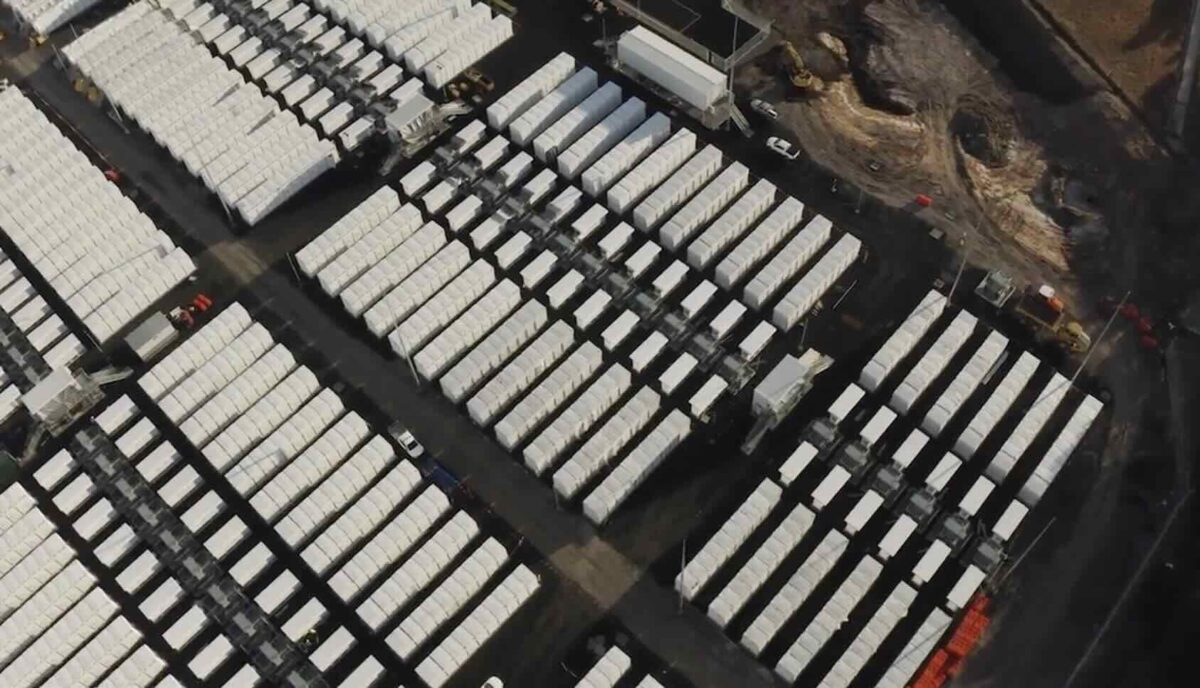
Battery storage has emerged as a dominant force across almost all phases of energy project development, with significant contributions from solar-battery hybrids also becoming increasingly prominent.
This trend reflects not only the decreasing costs associated with battery technology but also the various challenges faced by wind energy projects regarding planning, social acceptance, supply chains, and overall costs.
Signs of Recovery for Wind Energy
Despite the decline, there are indications of a possible resurgence for wind energy. AEMO reports that in the last quarter, 25 new applications were received, amounting to a total of 8.1 GW. Of these, batteries accounted for 4.1 GW, wind projects contributed 2.3 GW, while solar-battery hybrids, standalone solar, and hydro contributed 960 MW, 310 MW, and 330 MW respectively.
During the same period, ten projects received registration approvals—comprising four battery projects, three solar initiatives, one solar-battery hybrid, and one hydro project. Furthermore, nine projects reached the commissioning stage, including seven battery setups and two solar plants.
The report notes, “Batteries are the dominant technology in every stage of the process.”
Current Trends and Future Projections
Some noteworthy statistics indicate that grid approvals and registrations are slightly lower than last year, yet commissioning is significantly ahead of the previous year, particularly due to the addition of new partly commissioned projects like the Waratah Super battery.
In terms of project initiation, those in the proponent implementation stage are 29 per cent above the same timeframe last year, with registrations up by 2 per cent and projects underway for commissioning 26 per cent ahead.
Additionally, projects utilising grid-forming inverter technology—crucial for providing system services in a coal-free grid—now represent 13 GW and 30 GWh of new applications. This is a marked increase compared to just 1 GW and 3 GWh for those utilising grid-following inverter technology.
Statements from AEMO Management
Margarida Pimentel, the AEMO Onboarding & Connections Group Manager, highlighted that the results from the December quarter showed significant advancement across all stages of the connections process, from application approvals to projects achieving full output.
“These results showcase both the maturity of the investment pipeline and the sector’s growing capability to deliver,” Pimentel stated. She expressed particular satisfaction regarding the 1.8 GW of new capacity that reached commissioning during the quarter.
For those interested in staying informed on the latest developments in clean energy, over 29,000 subscribers receive daily updates directly to their inbox, entirely free of charge.