Balcony Solar Revolution: 27 States Embrace Plug-and-Play PV Laws
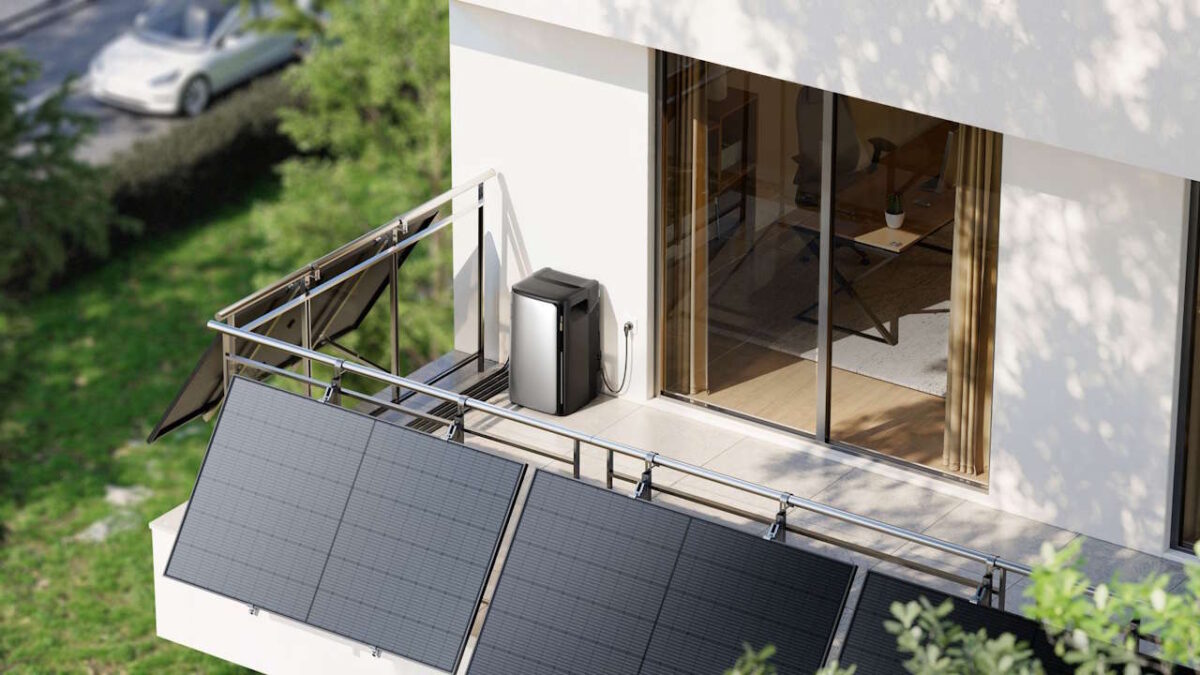
Lauren Phillips has turned her balcony into a tiny, eco-friendly power generation unit by setting up what could potentially be the first plug-and-play solar panel in the Bronx. This compact 220-watt installation, attached to her railing with zip ties, is a welcome addition for the co-op apartment owner and mother of two.
“My childcare expenses are sky-high every month, and my electricity bills just keep increasing,” Phillips remarked. “It feels like costs are constantly rising everywhere you look.”
Community Empowerment through Plug-In Solar
The nonprofit Bright Saver, which provided Phillips with the $400 solar panel free of charge, predicts it will generate approximately 15% to 20% of the electricity her family consumes, potentially saving her around £100 annually. “Every time I look at it, I can’t believe I’ve simply plugged it in and I’m creating my own electricity,” she added.
Phillips represents a small group of adventurous Americans eager to install DIY solar solutions without needing explicit approval from their local utilities, navigating a grey regulatory landscape. Utah is the only state to have passed a law, in March 2025, that specifically allows residents to connect these devices. Bright Saver indicates that a few thousand households have already harnessed this technology there.
However, other states like New York are likely to follow Utah’s example, paving the way for more widespread adoption of solar systems that connect to standard 120-volt wall outlets.
Legislative Momentum Grows
As of February 25, bipartisan lawmakers from 27 states and Washington, D.C., had introduced their own proposals to legalise such systems, according to Bright Saver. Amid rising living costs across the United States, many legislators view portable solar technology as a financial relief solution.
New York Assemblymember Emily Gallagher, a Democrat who proposed a bill in September seeking to enable small-scale solar initiatives, stated, “This technology directly empowers people.” Gallagher, who is a renter, expressed her desire for a plug-in solar system of her own.
For households in New York, an 800-watt unit costing £1,099 can power a refrigerator or several small appliances during sunny spells and offers potential savings of around £279 annually, according to Gallagher. If utility prices continue to escalate, these savings could rise to approximately £327 by 2035.
A European Inspiration
While plug-in solar is thriving in Europe, with around 4 million households in Germany integrating these systems (available even through retailers like Ikea), the technology in the U.S. remains in a state of regulatory uncertainty outside of Utah. While not illegal, utility companies typically require users to sign an interconnection agreement before they can connect solar power, similar to larger rooftop installations. The application process can involve fees and may take weeks or even months.
Utah’s legislation removed such interconnection requirements, provided that certified solar devices are deemed safe by recognised testing laboratories, setting a precedent for other states considering similar regulatory changes.
“There is a clear gap between technological advancement and the laws that govern it,” remarked Phillips, suggesting that installing her system could be perceived as a form of ‘solar civil disobedience.’
In January, UL Solutions initiated a testing protocol that will be refined over the next few months, according to Bernadette Del Chiaro, senior vice president for California of the nonprofit Environmental Working Group and previous director of the California Solar and Storage Association.
Growing Interest and Legislative Challenges
Cora Stryker, co-founder of Bright Saver, highlighted the surging interest in plug-in solar devices, noting that momentum is building more rapidly than anticipated. There were instances where multiple lawmakers introduced plug-in solar bills independently within the same chamber.
Missouri state Representative Mark Matthiesen, a Republican, introduced a DIY solar bill last December in response to soaring electricity costs in the state. Families could save between £30 and £40 monthly, possibly achieving a return on investment in as little as 25 months. “Once you pass that mark, every penny saved is profit,” he commented, having experienced the benefits of rooftop solar himself.
Some proposed bills in states like Missouri, Washington, and Wyoming have faced obstacles, with certain utilities expressing concerns over safety, particularly regarding energy potentially being redirected to the grid and taxing its capacity. However, advocates counter that the modest size of these systems, generally capped at 1,200 watts—significantly smaller than typical rooftop arrays—would lead to most generated power being consumed by the household itself.
Legislation for balcony solar initiatives appears to be on track in states such as New Hampshire, Vermont, New Jersey, and Illinois. A larger proposal in California is currently under committee review, with expectations for more lawmakers to introduce similar measures this year.
For Phillips, the solar panel on her balcony is more than just a means of cutting costs; it’s an investment in a healthier future. Living in the Bronx, which grapples with significant pollution issues, she expressed her commitment to promoting cleaner energy. “I was hospitalised with an asthma attack last year,” she revealed. “For me, every effort to make our power grid greener and reduce emissions is a matter of justice—especially for those of us in my community.”
Moreover, Phillips has been sharing her experiences with friends and family who express enthusiasm for similar setups. “Everyone wants one,” she said, underscoring the need for states to advance their portable solar legislation to unleash this potential. “I can’t wait to see solar panels popping up on balconies everywhere.”