Australia’s Renewable Energy Pipeline Needs Faster Delivery to Meet Net Zero Goals
Australia is currently brimming with potential for solar, wind, and battery energy storage projects, far exceeding the requirements to achieve its renewable energy and net zero emissions targets. However, experts warn that the speed of implementation must significantly increase.
To realise its goal of net zero by 2050, Australia requires an additional 200 gigawatts (GW) of energy capacity, as indicated by the Australian Energy Market Operator (AEMO). Interestingly, data from RenewMap reveals that there are currently 670 GW of large-scale renewable projects at various stages of development, suggesting a vast opportunity.
The Size of the Renewable Potential
“It’s an impressive figure, and rightly so,” remarked Alex Thompson, cofounder of RenewMap, during the Clean Energy Investor Conference held in Melbourne. He added, “Focusing solely on onshore projects, we still have over 450 GW in the pipeline. The challenge has never been about vision or opportunity, but rather the speed at which we can push these projects forward.”
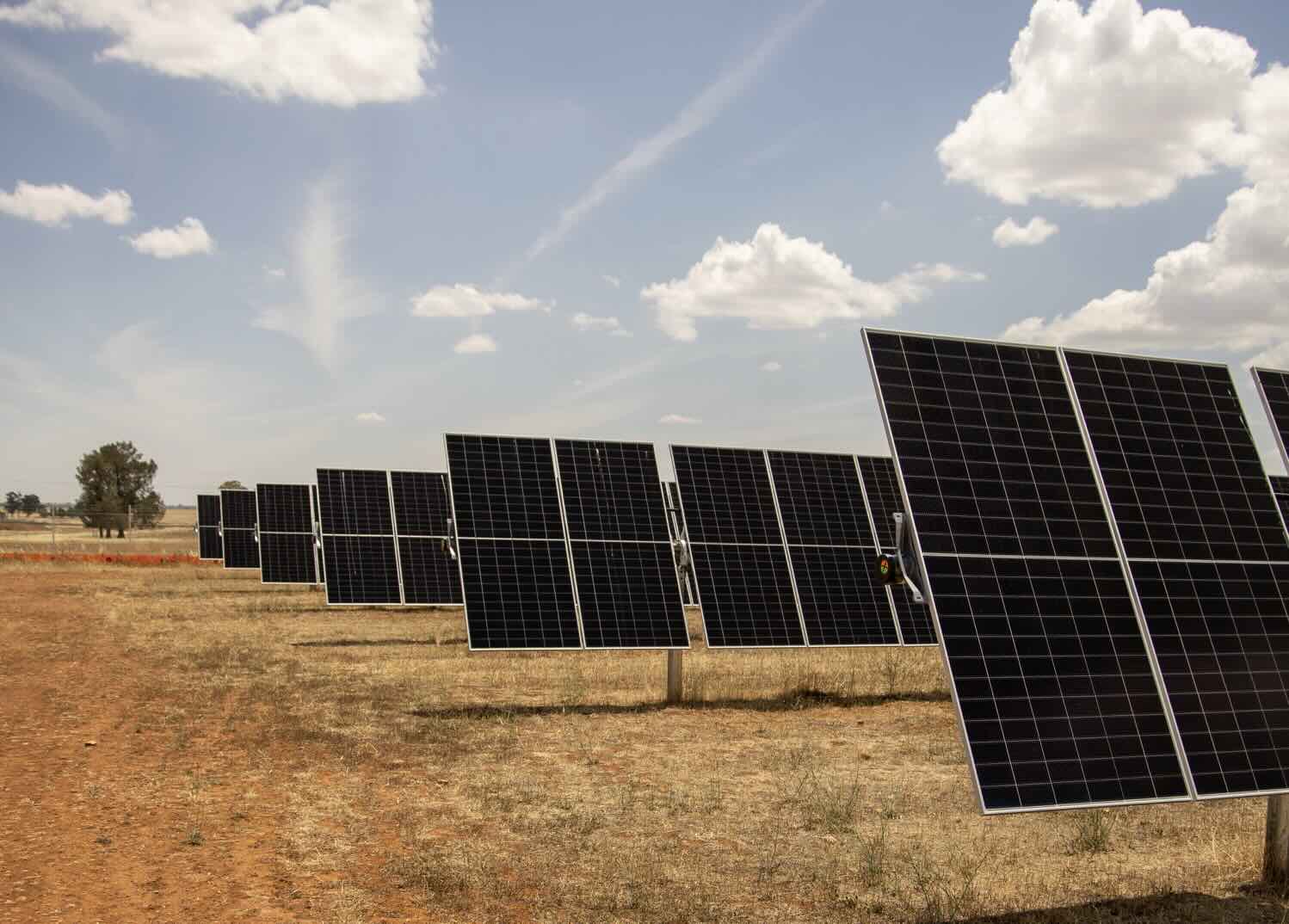
This significant 450 GW pipeline comprises 155 GW from onshore wind, 90 GW from large-scale solar, 185 GW from battery storage, and 26 GW from offshore wind, according to RenewMap data. Optimising planning processes could be the key to accelerating progress, not just in Queensland, which is reforming its approach, but also in New South Wales.
The Planning Bottleneck
Data indicates that between 2010 and 2025, New South Wales has taken the longest to navigate planning for projects, hampered by objections from distant stakeholders. Despite this, the statistics show that while investment in new projects drastically outpaces net zero targets, Australia must enhance its momentum, doubling the current pace to meet future demands, as highlighted by Tim Buckley, director of Climate Energy Finance.
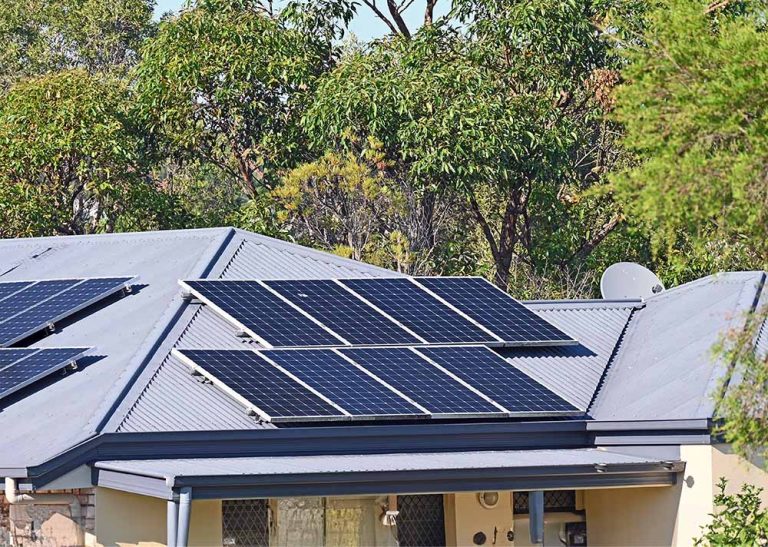
“This pipeline indicates that we have the capability to deliver 82 per cent of what’s required; we simply need to act with urgency,” Buckley expressed to Renew Economy. He further emphasised on LinkedIn that increasing energy supply sustainably is crucial for reducing energy prices, citing rooftop solar and 250,000 behind-the-meter batteries as immediate solutions. However, more utility-scale projects are essential for both speed and scale.
Victoria’s Renewable Energy Strategy
Turning to Victoria, the state’s Labor government is preparing to announce its renewable energy zones (REZs) alongside a roadmap tailored for priority transmission projects. “I will soon formally declare our REZs and outline the delivery roadmap for the Victoria Transmission Plan, detailing how initial priority projects will be mobilised efficiently,” stated Lily D’Ambrosio, the state energy minister, at the conference.
D’Ambrosio acknowledged the urgency of decision-making, noting that timely choices would enhance confidence in the construction of new projects. According to RenewMap, Victoria’s onshore renewable development pipeline is among the smallest compared to other mainland states, amounting to slightly above 59 GW, excluding South Australia’s total of over 45 GW.
Future Plans for Renewable Expansion
The data from RenewMap indicates that Victoria’s pipeline is predominantly driven by large battery projects. Though there has been a recent slowdown in wind project developments, more than a gigawatt received planning approval in the past year. The state aims to incorporate an additional 9 GW from offshore wind by 2040 and has 19.6 GW of projects in the feasibility stage.
D’Ambrosio highlighted that Victoria requires an additional 25 GW of energy and storage solutions by 2035 to fulfil its next target. “In many respects, Victoria faces a distinct challenge compared to other states,” she explained. “We need significant and ambitious transformations that are practical and yield effective results to decarbonise our energy system whilst ensuring a reliable energy supply.”
“Additionally, our aim is to shift away from the longstanding reliance on brown coal, which has historically provided us with an economic edge for over a century, towards a more diversified renewable energy landscape.”