Australia’s Home Battery Market Experiences Healthy Reset Amid Rooftop Solar Growth
The home battery market in Australia is currently experiencing what analysts describe as a “healthy reset,” with recent data indicating that monthly installations have plummeted by almost 30%. Furthermore, the battery systems being installed are now being “right-sized” to capacities between 20 and 30 kilowatt-hours (kWh), a significant drop from the previously inflated average of approximately 50 kWh.
According to solar industry experts at SunWiz, a total of 1.07 gigawatt-hours (GWh) of home batteries were registered in June, reflecting a month-on-month decrease of 28.3% compared to May’s figures. Warwick Johnston, the managing director of SunWiz, pointed out that although this June slowdown has driven market growth below the previous 12-month trend line, the current numbers remain well above those observed at the beginning of 2026, approximately three times higher than figures from a year prior, which coincided with the initial rollout of the federal rebate.
Adjustments to Battery Rebate Drive Market Changes
Johnston remarked that this “reset” follows the federal Labour government’s adjustments made on May 1 to the Cheaper Home Batteries rebate, which now limits full access to the maximum discount for the first 14 kWh of usable battery capacity. After this threshold, a 60% discount applies for capacities ranging from 14 kWh to 28 kWh, while a mere 15% discount is available for any capacity between 28 kWh and 50 kWh.
The primary goal of these changes was to cool down the previously booming market and to prevent government subsidies from being disproportionately claimed on larger systems of 50 kWh or more. Johnston explained, “Beneath the headline, the market is adjusting to appropriate sizes, transitioning from oversized systems to mid-scale 20-30 kWh storage options.”
Market Trends and Changes in System Sizes
SunWiz’s analysis revealed that the oversized category of 40-50 kWh systems nearly halved in installations, witnessing a month-on-month reduction of 46%, while the 10-20 kWh segment also saw a slump, down by 42%. In contrast, the 20-30 kWh segment surged by an impressive 114%, confirming its emergence as the market’s new focal point. Despite the decline in larger systems, the 40-50 kWh category still leads in total volume.
Johnston also highlighted challenges in accurately converting small-scale technology certificates into kWh due to uncertainties surrounding installation dates; it appears that many systems categorised as smaller were likely installed prior to May but were only registered last month. He cautioned, “The primary takeaway is that the market has significantly cooled since its peak, and it seems poised for further decline.”
Rooftop Solar Capacity Maintains Record Levels
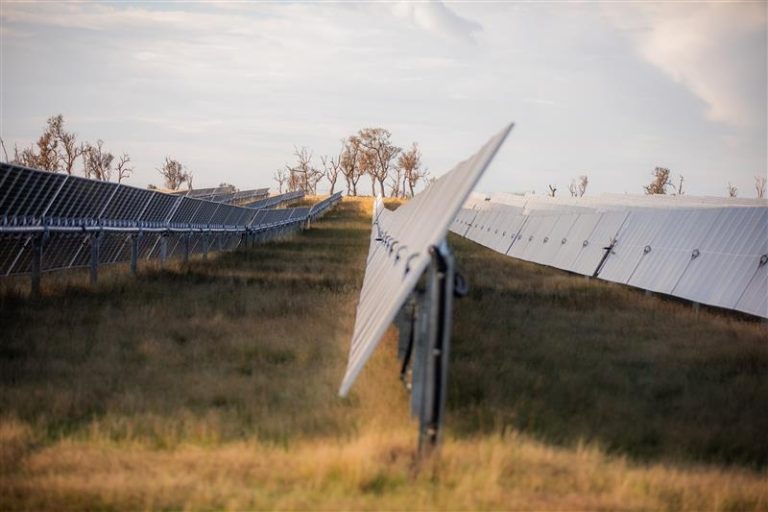
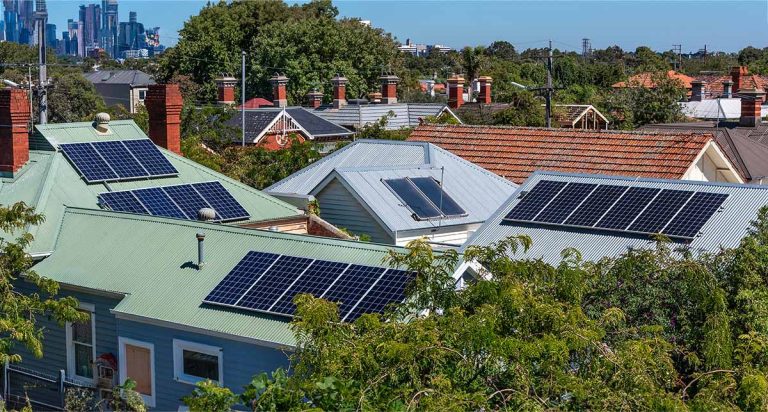
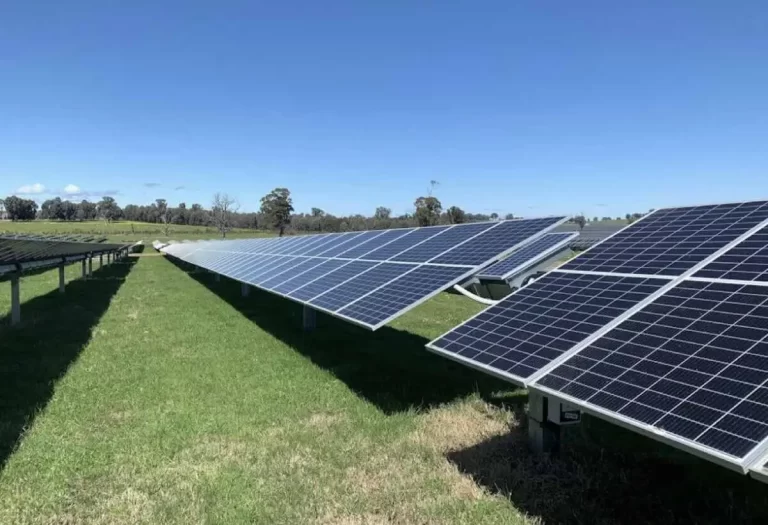
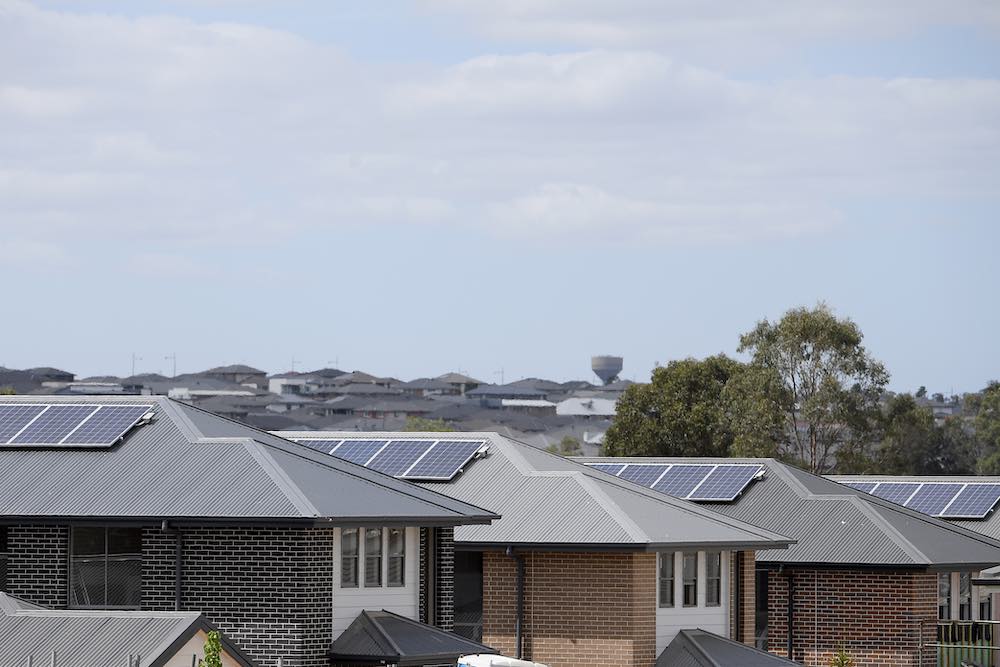
Meanwhile, the rooftop solar sector continues to thrive, achieving its highest installation rates for the initial half of the year. By the end of June, current figures are approximately 41% greater than those recorded at the same point in 2025. Having benefited from a wave of battery rebates, new rooftop solar capacity reached 322 megawatts (MW) in June, marking a 4% decline compared to May and down 26% from April’s peak of 435 MW.
According to SunWiz, the boost from battery installations has significantly impacted rooftop solar trends, making June 2026 notably stronger than the same month in 2023-2025, despite a tapering off from the heights observed in April. Smaller systems, particularly those in the 0-15 kW range, experienced a slight increase of 2% month-on-month, while larger categories faced declines, with the 20-30 kW segment tumbling by 31% and the 15-20 kW band dropping by 16%.
Johnston noted that the bulk of the national decline stemmed from the 15-100 kW segment that contributed to April’s surge. The national average system size has also dipped to a 12-month low of 10.01 kW, down from 10.47 kW in May and 11.32 kW seen in April.