Australia’s First Solar-Battery Hybrid Transforms Evening Power Supply
A significant transformation in Australia’s energy landscape has begun with the launch of the nation’s first large-scale solar-battery hybrid facility, which has started to supply power to the main grid, even during evening peak times after sunset. This development marks a pivotal shift in the configuration and functioning of the country’s electricity system.
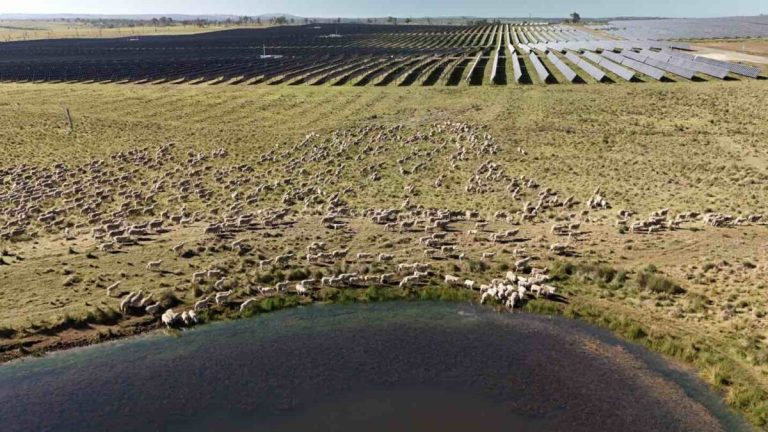
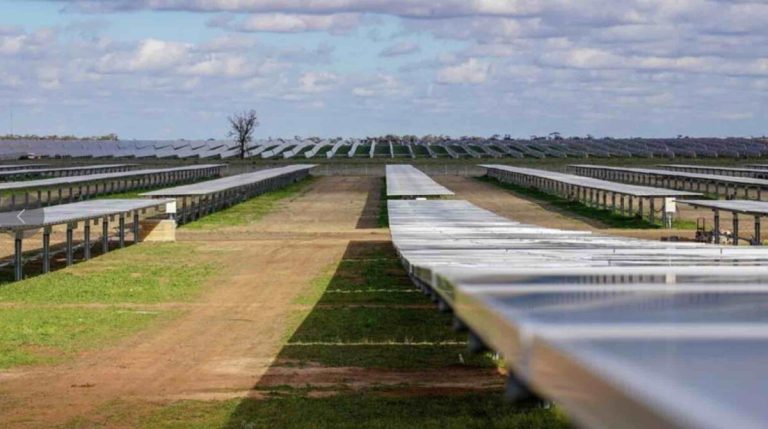
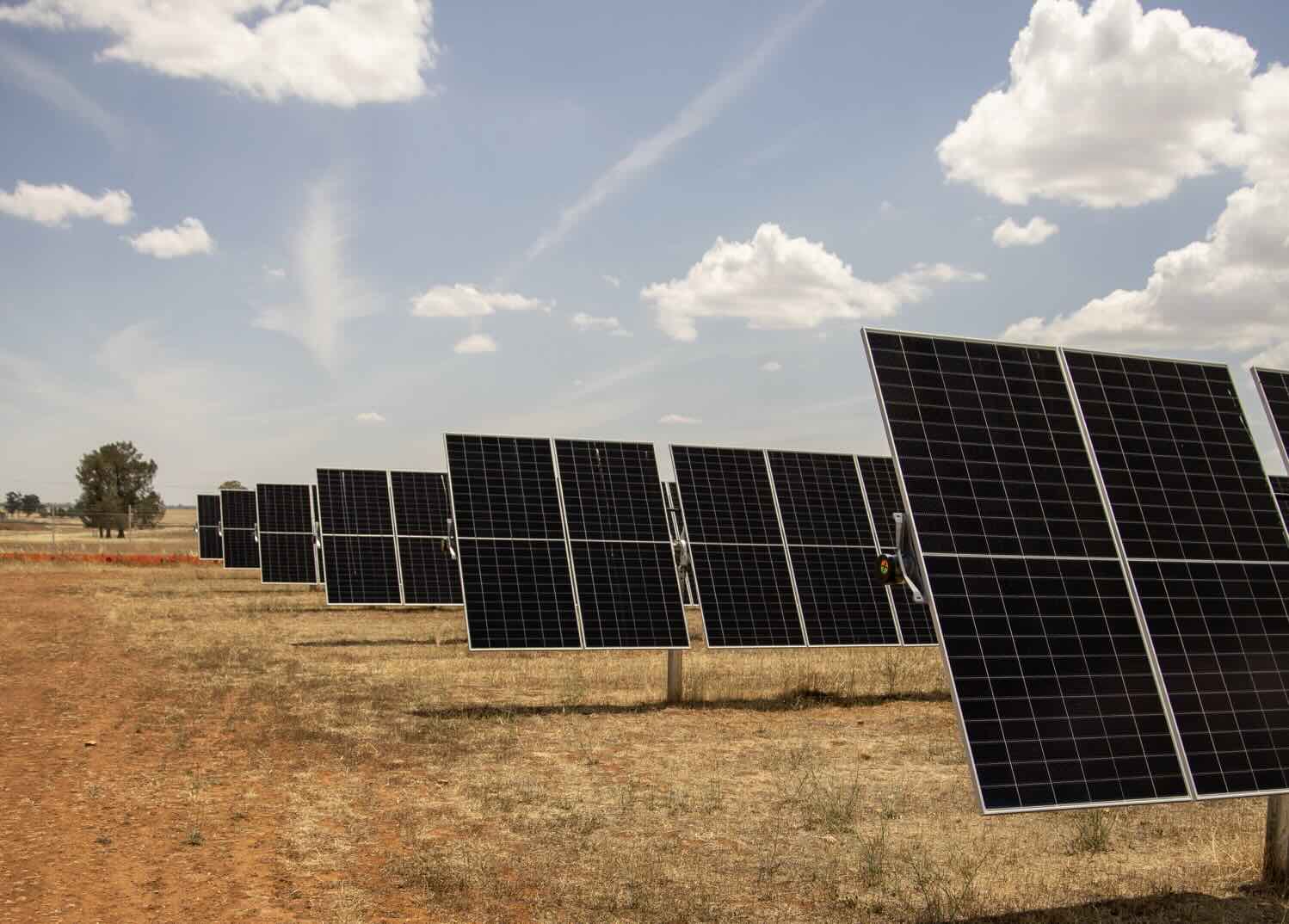
Located near Parkes in western New South Wales, the Quorn Park facility, which costs $192 million, integrates an 80 megawatt (MW) solar farm with a 20 MW battery capable of storing 40 megawatt hours (MWh). By combining these resources, the facility can store solar energy rather than limiting production or contributing to an already oversaturated market. This stored energy can then be released back into the grid during peak demand periods, thereby enhancing profitability.
Potential for Future Developments
Currently, Quorn Park is in the midst of its commissioning phase and is supplying only small amounts of power to the grid — a process anticipated to span several months. However, it heralds the onset of a larger trend that could considerably alter how electricity is generated and consumed in Australia. There are approximately two dozen solar-battery hybrid projects, some boasting over fifty times the storage capacity of Quorn Park, that have secured contracts and are either under construction or set to begin soon. Additionally, numerous other projects, some even larger, are aiming to be developed.
Driving Forces Behind the Shifts
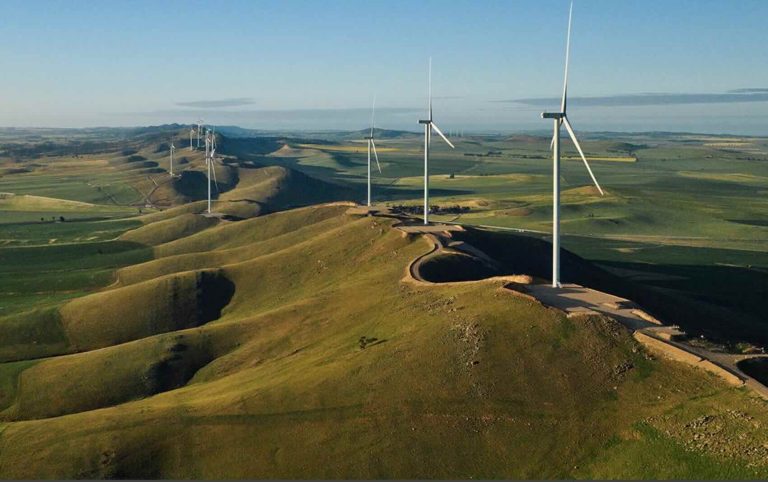
This transition is primarily fuelled by the decreasing costs of battery storage, an abundance of inexpensive solar energy during daylight hours, and the challenges associated with advancing wind energy projects due to hefty expenses and more stringent planning requirements, along with issues surrounding social licence.
Potentia Energy, the entity behind Quorn Park, is also preparing to commence construction on the Tallawang solar-battery hybrid project in central western New South Wales, which will feature a 500 MW solar installation paired with a 500 MW, 1,000 MWh battery. The company has additional projects on its agenda.
Innovative Integration of Solar and Battery Technology
Traditionally, solar farms and battery systems have been developed separately, each with its own connection points, leading to independent operations. This separation meant that they had to navigate fluctuating market prices when charging or exporting energy. The fact that Quorn Park has managed to combine these systems under a single connection point is a result of extensive modifications to Australia’s strict grid connection regulations. This development introduces complexities reminiscent of those encountered nearly a decade ago with the implementation of large batteries and the introduction of grid-forming inverters.
As expected with a pioneering initiative, Quorn Park is still fine-tuning its operations. Recently, the Australian Energy Market Operator issued a “non-compliance” notice, a typical occurrence that is often seen with existing coal generators, indicating some minor issues that need to be addressed.
Comparative Developments in Western Australia
While Quorn Park is making strides, it’s worth noting that the Cunderdin facility in Western Australia was the first true solar-battery hybrid system in the country, albeit not connected to the main grid. This project demonstrated its capability each day, storing energy from its 100 MW solar farm to be used after dusk when demand can increase. It also frequently continues to feed power into the grid overnight, albeit at reduced levels.
This evolving pattern is expected to affect traditional energy generators, especially those relying on evening peaks, such as coal and gas. Industry expert David Leitch highlighted this shift’s implications in his comments for the Renew Economy’s Energy Insiders podcast.
Supporting Legislative Changes and Future Outlook
Quorn Park’s 20 MW and 40 MWh of storage capacity is part of a broader movement that includes 4,500 MW of solar resources with 15,000 MWh of battery storage, all having secured underwriting through the recent federal government’s Capacity Investment Scheme. Moreover, with the New South Wales government reviewing its policy framework, solar-battery hybrids are likely to receive adequate support; while wind projects are not being disregarded, it has become evident that solar-battery systems have the advantage in terms of cost and deployment ease.
The emergence of these innovative solar-hybrid initiatives is poised to have a profound effect, not only on the operational models of existing thermal generators but also on grid management capabilities, facilitating potential closures of coal and gas plants.
For ongoing insights into Australia’s energy landscape, you can explore the detailed resources available at Renew Economy’s Big Battery Storage Map of Australia.