Australia’s First Solar-Battery Hybrid Energised for Evening Demand
The first substantial solar-battery hybrid power station connected to Australia’s main grid has been energised and is set to supply solar energy during peak evening demand periods.
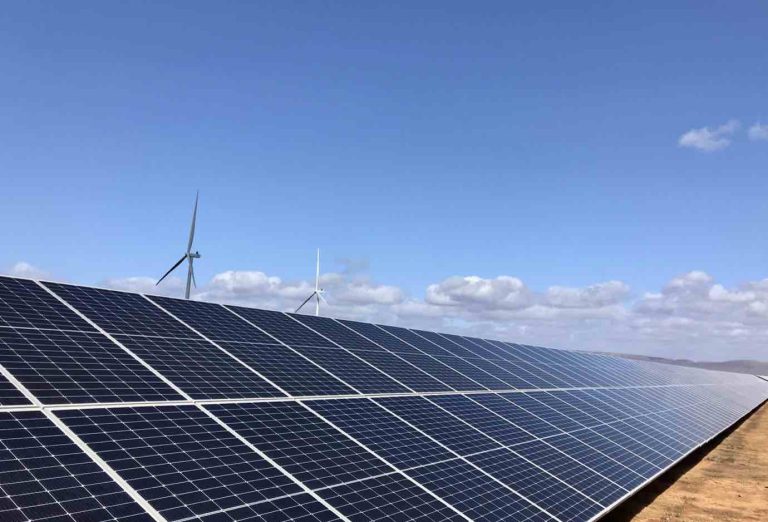
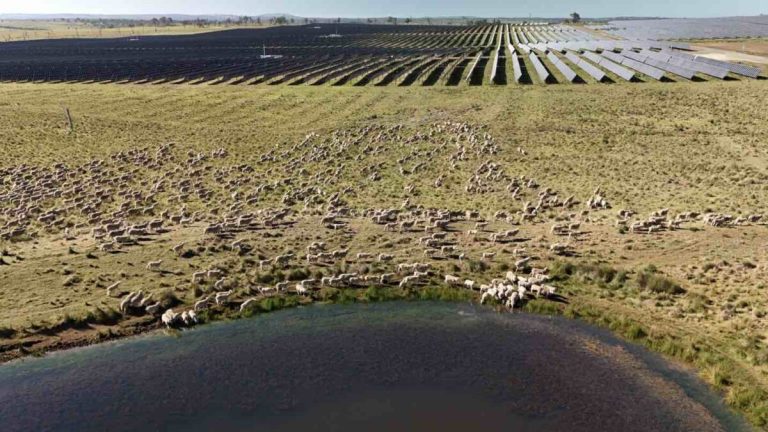
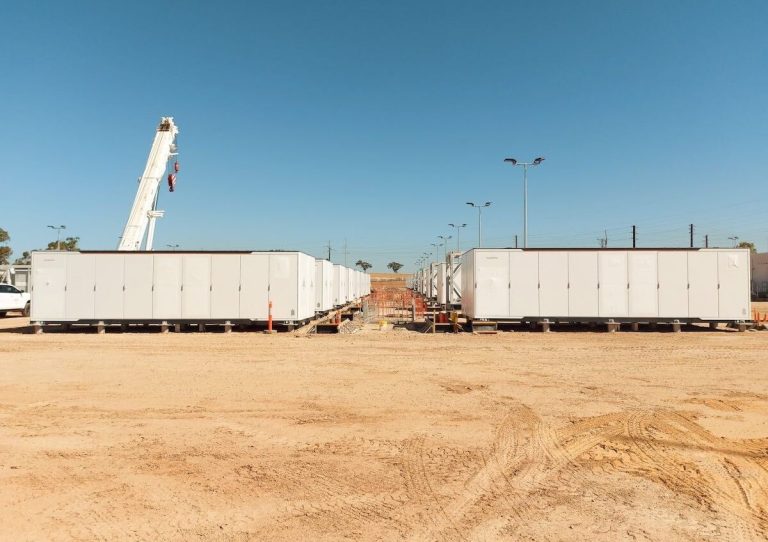
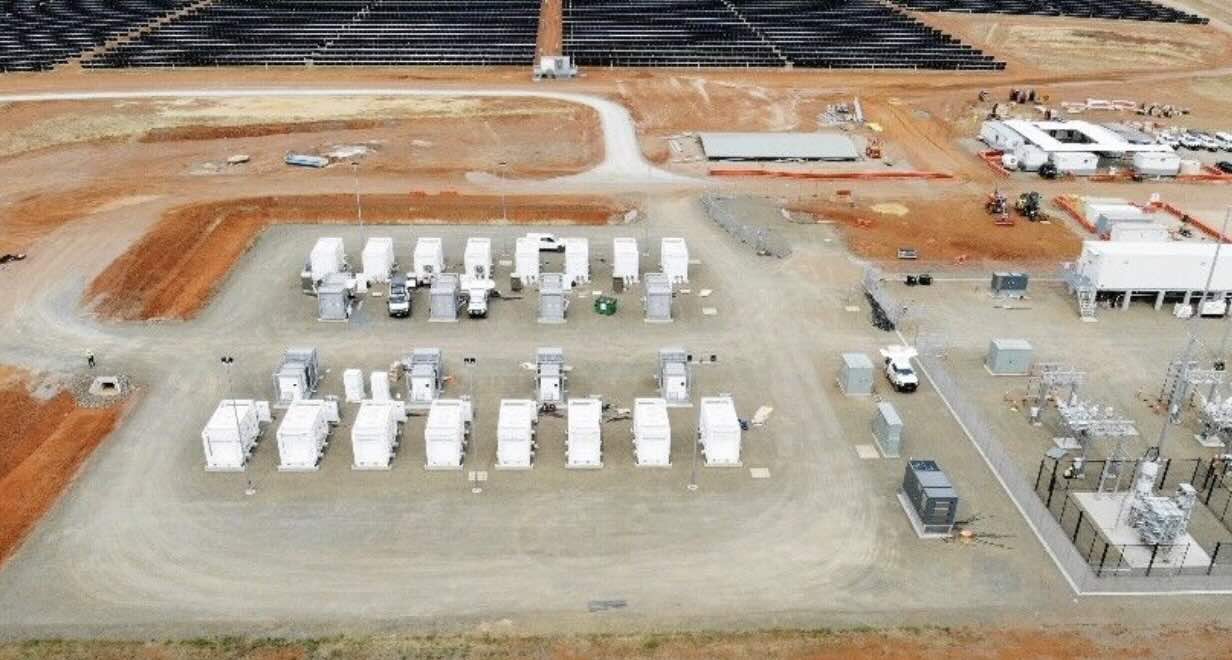
Located near Parkes in western New South Wales, the Quorn Park facility features an 80 megawatt (MW) solar farm along with a 20 MW, 40 megawatt hour (MWh) battery system. This innovative setup allows solar energy to be stored rather than released into an overloaded market, enabling it to be fed into the grid during the evening when demand is higher.
Comparison with Existing Facilities
The larger Cunderdin plant in Western Australia, which boasts 128 MWdc of solar capacity alongside a 55 MW, 220 MWh battery, has already been operational. It regularly contributes power to that isolated grid during peak evening periods, sometimes extending its output well into the night.
Upcoming Projects on the Horizon
Although Quorn Park is the inaugural solar-battery hybrid established on the National Electricity Market, it is merely the first in a wave of similar projects set to emerge, many of which will feature up to ten times the solar capacity and storage power.
Nearly 20 of these projects have secured underwriting agreements from state and federal initiatives like the Capacity Investment Scheme, effectively replacing wind projects that are facing higher costs.
Potentia Energy, a joint venture between Italy’s Enel Green Power and Japan’s Inpex, announced the energisation of the Quorn Park facility on Friday, following the recent approval of its generator performance standard. This marks a significant milestone for the grid, considering the intricate nature of such agreements and the implications for future developments.
Significance of the Project
In a statement on LinkedIn, Potentia Energy expressed pride in announcing the successful energisation and first synchronisation of the Quorn Park Solar Hybrid project, highlighting its role in demonstrating the synergy between renewable energy and battery storage. This collaboration aims to provide reliable, cost-effective support to the grid while adapting to the changing energy needs of NSW communities and expediting the transition to cleaner energy.
The Rising Popularity of Solar-Battery Hybrids
The rise of solar-battery hybrids can be attributed to the decreasing expenses associated with solar panels, the dramatic drop in battery storage costs, increasing challenges and costs in wind energy construction, and the heightened demand for dispatchable power from industrial clients, especially during evening peaks.
Standalone solar farms frequently face curtailment due to the negative wholesale electricity prices prevalent during midday, which stem from excessive rooftop solar generation and the low bidding attempts of coal-fired generators eager to be dispatched.
While many solar farms do have nearby batteries, these previously operated under separate connection points, with distinct ownership and off-taker arrangements. The advent of solar-battery hybrids streamlines the entire process.
Future Developments
Potentia Energy is also on the brink of commencing construction on the Tallawang solar-battery hybrid site in central western NSW. This ambitious project will integrate 500 MW of solar generation with a 500 MW, 1,000 MWh battery. Several other initiatives are exploring the potential of four to eight-hour battery systems to prolong solar output well into the early evening peak periods.
For more insights, you may also refer to Renew Economy’s extensive Battery Storage Map of Australia.