Australian Researchers Enhance Solar Cell Efficiency with Stacked PV Technology
Australian scientists are making significant strides in solar technology with a promising material that could revolutionise the field. The University of New South Wales (UNSW) research team has recently demonstrated advancements in solar cell performance, establishing new global records in the process.
This development, confirmed by the CSIRO, is a vital step towards bringing more affordable and efficient solar technology to market, although further research is essential before it can find practical applications on rooftops or windows.
A Record-Breaking Year for Solar Energy
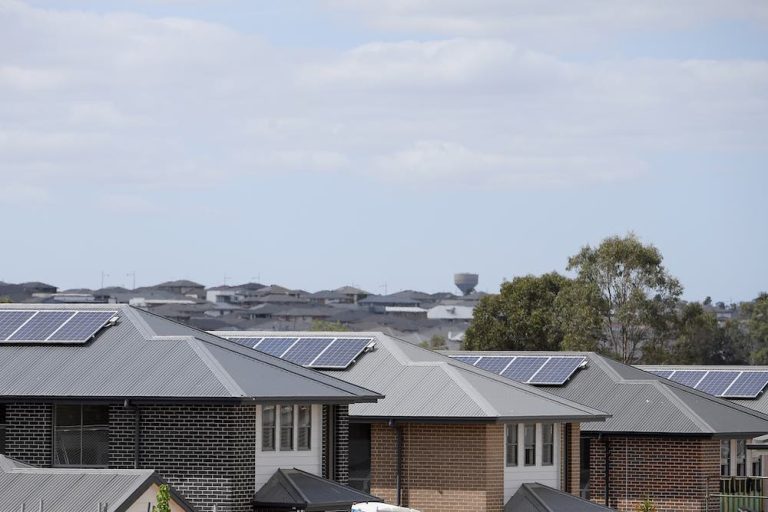
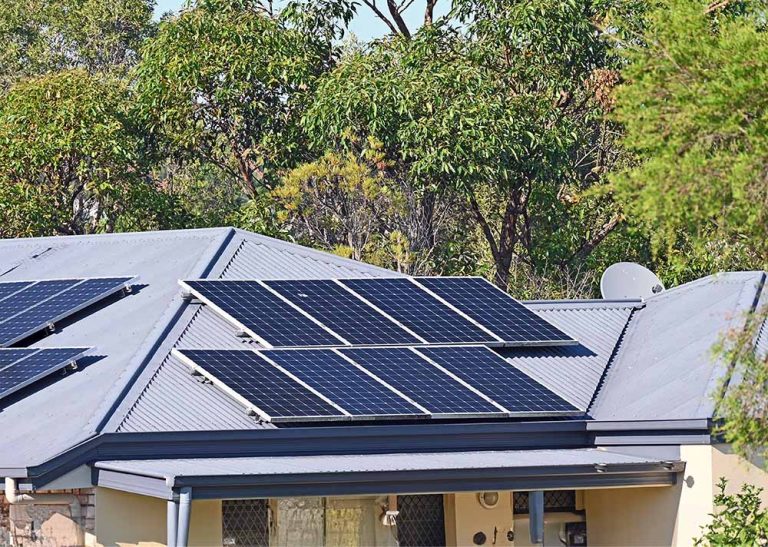
The announcement follows a historic milestone for Australia, which achieved over 12 per cent of its energy generation from solar power last year, thanks to more than 4.2 million households opting for rooftop solar panels.
Innovations in Antimony Chalcogenide
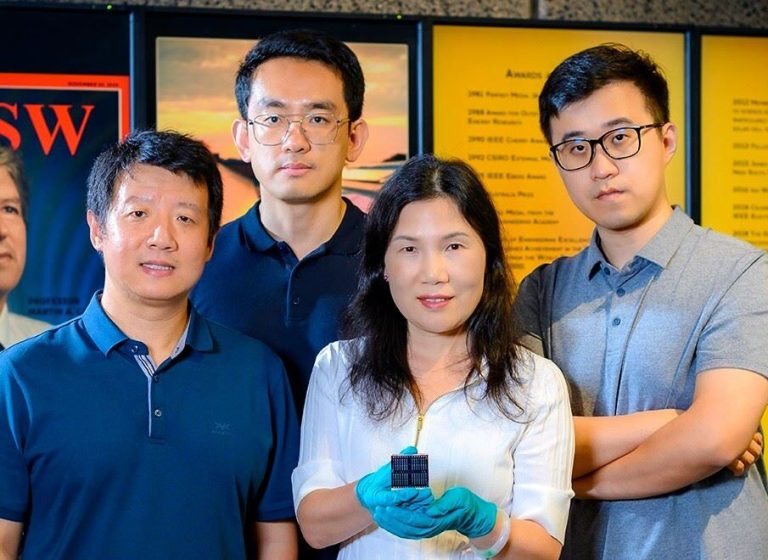
The UNSW researchers focused on enhancing the efficiency of antimony chalcogenide, a material that has been recognised as a potential candidate for future solar technology. Their findings, recently published in Nature Energy, reveal a power conversion efficiency of 11.02 per cent reached in a laboratory setting, with a certified efficiency of 10.7 per cent from the CSIRO.
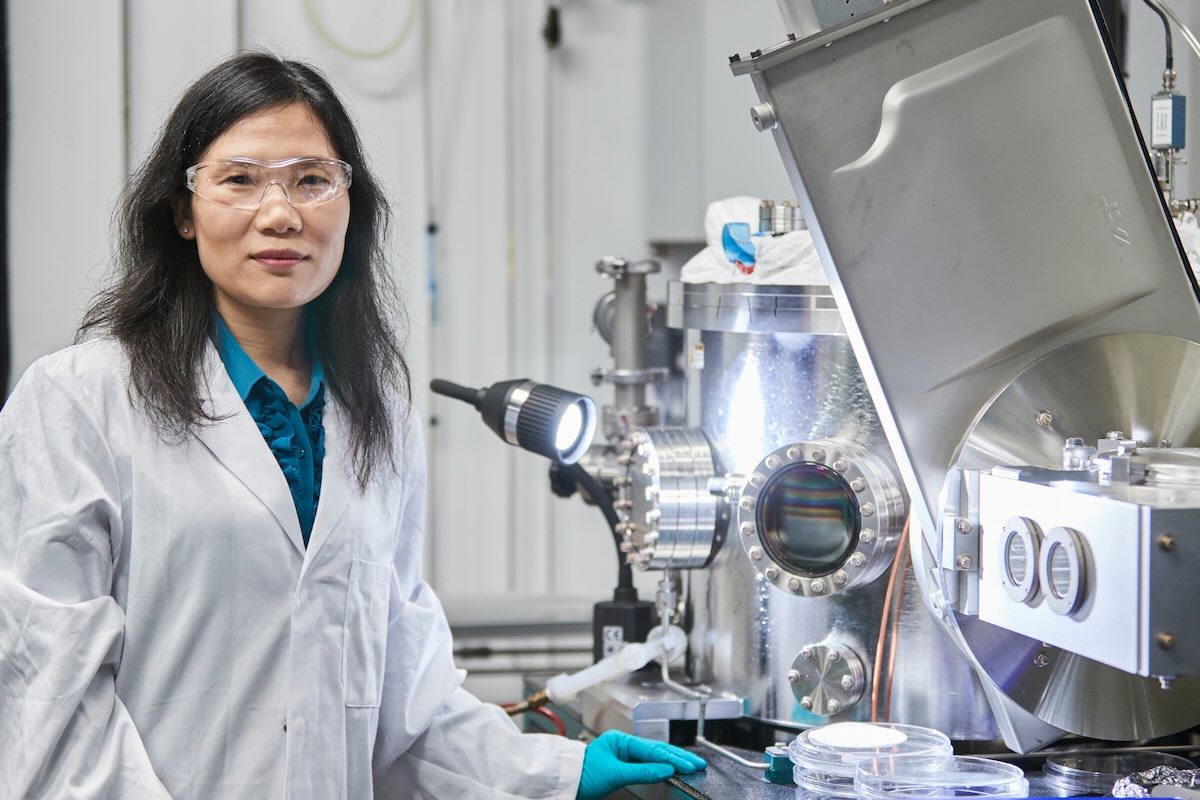
Professor Xiaojing Hao from UNSW expressed that this remarkable achievement keeps antimony chalcogenide firmly in the competition for more effective solar technologies. She highlighted the future design of solar panels incorporating tandem cells—where multiple solar cells are stacked—boosting overall efficiency.
The Importance of Material Properties
Antimony chalcogenide stands out due to its affordability, stability, and the ability to be coated in ultra-thin layers, which can enhance energy efficiency. However, the researchers faced challenges with the uneven distribution of sulfur and selenium within the material. Dr Chen Qian explained that they overcome this issue by introducing sodium sulphide during production, likening the process to driving up a steep hill where more effort—and fuel—is needed without smooth terrain.
Future Directions in Solar Research
Moving forward, researchers plan to apply chemical treatments to further optimise the material’s output, with aspirations to achieve an efficiency of 12 per cent in the near future. Dr Qian noted that progress will be made incrementally as they tackle existing challenges over the next few years.
Additionally, innovative breakthroughs could benefit UNSW’s spin-off company, Sydney Solar, which is working on transparent solar stickers designed to harness energy from windows.