Asia Partners Join Massive Wind, Solar, Hydrogen Hub in Nullarbor
Developers of an ambitious renewable project in the south-eastern corner of Western Australia have engaged key partners from Asia to advance the first stage of their extensive 70 gigawatt wind, solar and hydrogen hub. The initiative, known as the Western Green Energy Hub (WGEH), is spearheaded by Intercontinental Energy, which has enlisted Sany, a Chinese renewable energy provider, alongside several unnamed companies from South Korea to assist with a feasibility study for the initial six gigawatts of the project.
This announcement follows closely on the heels of the news that Intercontinental secured $21 million in funding from the Australian Renewable Energy Agency to progress another significant development — the 26 gigawatt wind and solar project in the Pilbara, referred to as the Australian Renewable Energy Hub.
Aims and Scope of the Project
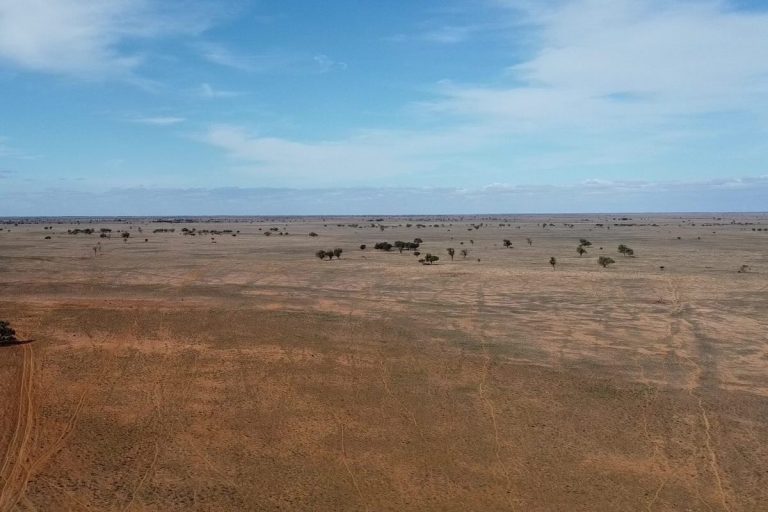
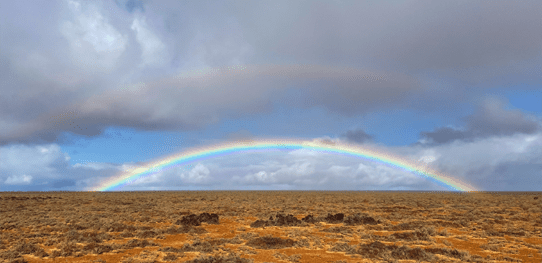
The scale of the WGEH initiative is unprecedented globally, proposing up to 35 “nodes” comprising 2-3 gigawatts of wind and solar energy each. Each node would also feature an electrolyser and/or data centre with an approximate capacity of 1.5 gigawatts at its core. The proposed site spans about 2.3 million hectares of pastoral leases and crown land, stretching across hundreds of kilometres within and around the Nullarbor, from northwest of Eucla near the South Australian border, toward Cocklebiddy and north of the Eyre Highway to south of the Trans-Australian Railway.
The project is envisioned to unfold in stages over a period of 30 years, ultimately aiming to generate 3.5 million tonnes of green hydrogen annually.
Environmental Concerns and Approvals
However, the proposal has yet to gain planning approvals and is likely to face resistance from environmental organisations, including the Bob Brown Foundation. These groups are particularly worried about the region’s rare and delicate subterranean limestone Karst systems, which they claim could be jeopardised by a project of this magnitude.
In a statement released on Monday, WGEH expressed a goal of making a financial investment decision for the first phase by 2029, contingent on completing cost analyses and securing the necessary planning and environmental approvals. The initial stage, encompassing around 6 gigawatts of wind and solar energy, is projected to yield approximately 330,000 tonnes of green hydrogen each year, with operations potentially commencing in the mid-2030s, subject to approvals and a rising demand for green hydrogen.
Partnerships and Expertise
Ray McDonald, the chief executive of WGEH, commented that the new partners are internationally regarded leaders in renewable energy and industrial technology. Sany brings expertise in wind, solar, and hydrogen facilities to the table, while the South Korean partners have strengths in construction. Notably, these partners do not include South Korea’s major industrial firm Kepco, which is already involved with the project in a different capacity.
McDonald highlighted that this collaboration will furnish the necessary details on costs, scheduling, and design to formulate a robust business case ahead of the planned investment decision in 2029. While Sany may not be the definitive equipment supplier for the project, its contributions to the feasibility study suggest it is favourably positioned for future involvement.
Frank Edwin, General Manager of SANY International Renewables, remarked that the scale of WGEH Stage 1, which targets 330,000 tonnes per annum of hydrogen production, is truly ambitious on a global level.
WGEH is principally owned by Singapore-based Intercontinental Energy, with international renewable energy company CWP Global also having a stake. Additionally, a commercial subsidiary of the Mirning Traditional Lands Aboriginal Corporation, named Mirning Green Energy Ltd, is among the project’s shareholders.
Isaac Hinton, head of Australia at Intercontinental Energy and chair of WGEH, stated that WGEH represents a cornerstone in Intercontinental’s Australian portfolio, alongside the AREH project. He added that the Feasibility Phase Agreement brings WGEH closer to completion and signifies strong international confidence in Australia’s burgeoning green hydrogen economy. The scale and collaborative partnerships of Stage 1 position Australia as a significant producer of green fuel, capable of meeting the emerging demands within Asia.