Arena’s Green Hydrogen Project Withdrawn from Federal Approval Process
A renewable energy initiative supported by Arena, aimed at positioning northern Queensland as a leading hub for green hydrogen through its plentiful wind and solar resources, has been withdrawn from the federal environmental approval process.
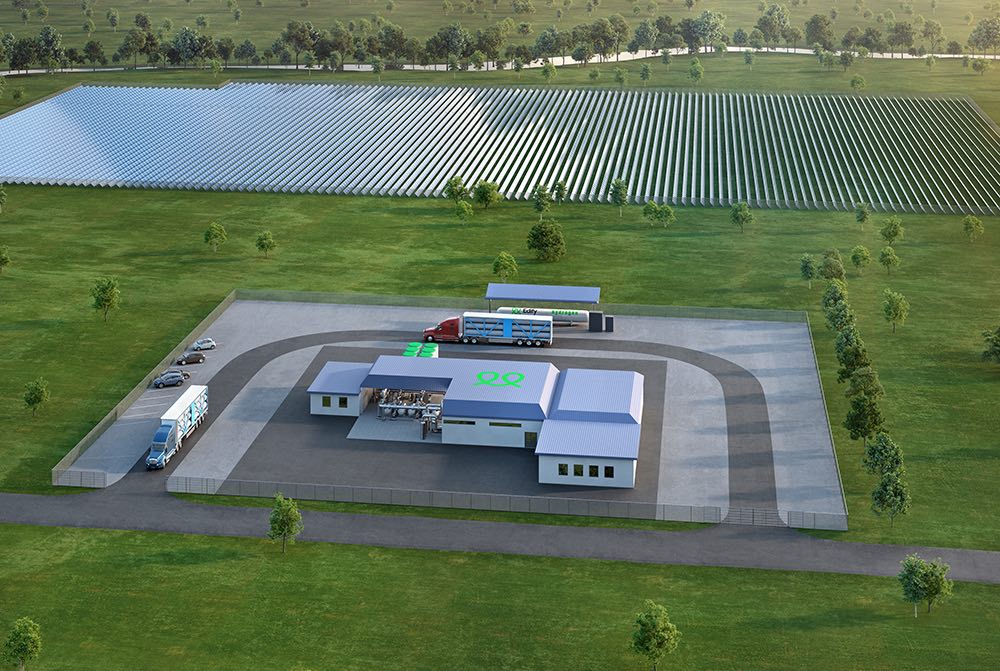
The Edify Green Hydrogen Project (EGH2), spearheaded by Edify Energy, planned to construct a 17.6 megawatt (MW) hydrogen electrolyser alongside 21 MW of solar and battery storage, marking the first phase of a potential 1 gigawatt facility at the Lansdown Eco-Industrial Precinct (LEIP) located in Townsville.
With an estimated cost of $137 million, the project received $1.2 million in grant funding from the Australian Renewable Energy Agency (Arena) to advance a Front-End Engineering Design (FEED) study, as part of an overall $20.7 million funding package contingent on the project’s implementation.
Federal Grant Funding and Project Timelines
In January 2024, EGH2 secured nearly $50 million in federal grant support from the Regional Hydrogen Hubs programme, and Edify indicated at that time that project construction was slated to commence in 2025.
As per records from the federal government’s EPBC, EGH2 was referred for environmental evaluation in July 2023. However, a recent update on March 31 has confirmed the project’s withdrawal from this process.
Reasons for Withdrawal and Industry Challenges
No specific reasons have been disclosed regarding the withdrawal after the project remained in limbo for over two and a half years. Given the recent reforms to the EPBC Act, it is possible that a revised application is now required.
Renew Economy has reached out to Edify Energy for further comment regarding this development.
Commercial-scale renewable hydrogen production has faced notable hurdles in both Australia and globally, as investors tend to prefer more reliable renewable sources. Developers are also biding their time for advancements in technology and decreases in costs.
In Australia, attention seems to have shifted somewhat towards smaller demonstration projects. For instance, the Kwinana Energy Transformation Hub (KETH) in Western Australia recently moved forward to the next phase of a government- and industry-supported production and testing facility.
Project Plans and Future Goals
The initial proposal for EGH2 aimed at establishing a 17.6 MW hydrogen production unit that would utilise an electrolyser supplied by Siemens, boasting a production capacity of 333 kg/hr.
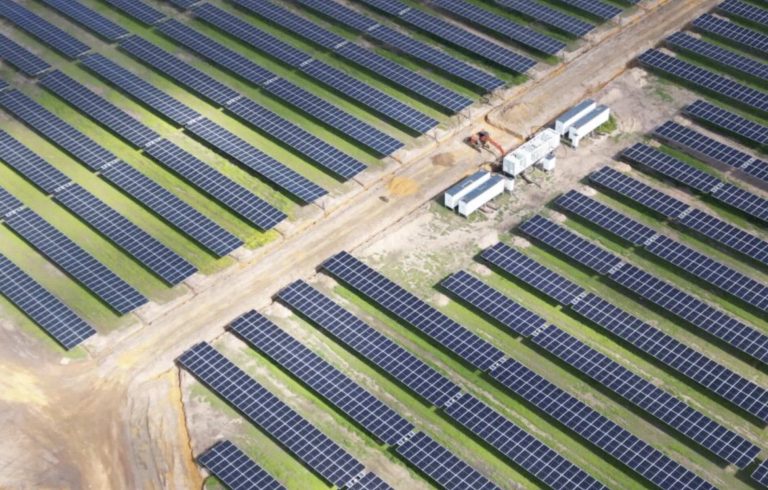
This initial phase envisioned powering the electrolyser through an overhead transmission line or an integrated system comprising a 21 MW solar plant and a 6 MW battery energy storage system (BESS).
After approximately five years at the demonstration scale, the plan was to expand the facility to ultimately achieve up to 1 GW of hydrogen production in its final phase.