Approval Granted for Burroway Solar and Battery Project in NSW
A significant solar and battery initiative in central western New South Wales has received the green light to proceed, despite over 80 written objections being submitted against its development.
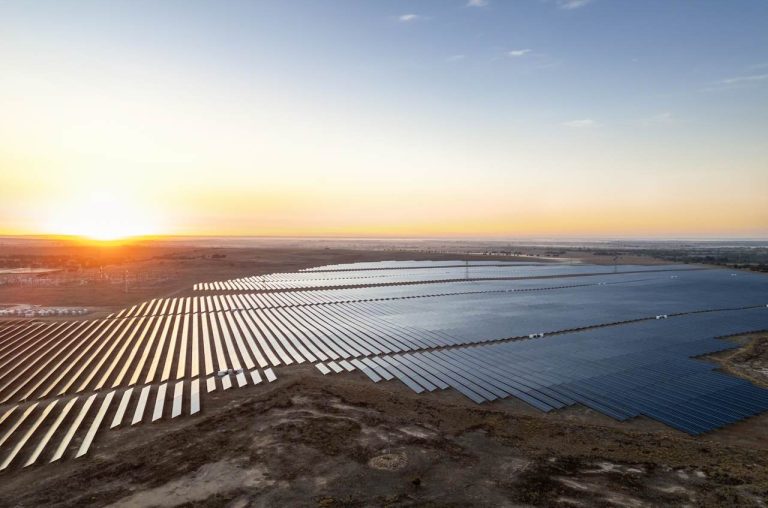
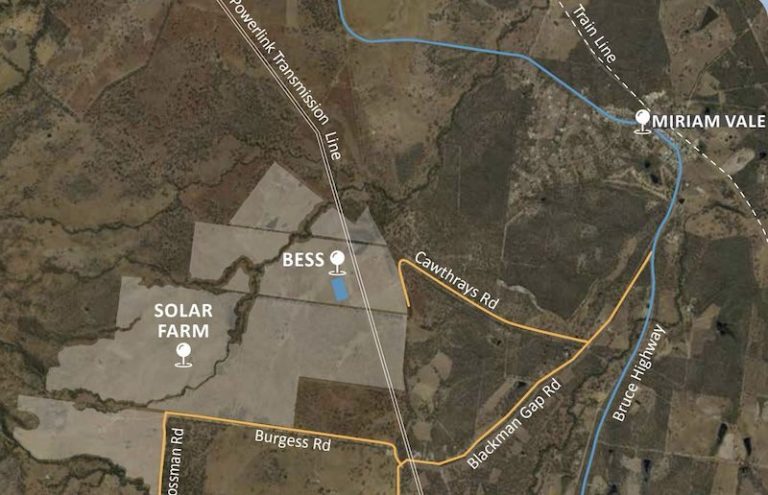
On Monday, the NSW Independent Planning Commission (IPC) announced that it has authorised Edify Energy’s Burroway Solar Farm, which will feature a 100 megawatt (MW) photovoltaic array alongside a 100 MW / 400 megawatt-hour (MWh) battery, situated approximately 18 km north of Narromine.
Key Findings and Approval Justification
In its Statement of Reasons for Decision, the Commission stated that the project aligns with NSW government policies, as it is located within the Central-West Orana Renewable Energy Zone (REZ), and determined that granting approval serves the public interest.
The Burroway solar farm successfully passed through the federal government’s environmental approval process in a swift timeframe of under two months. However, its state development application was referred to the IPC after receiving 83 public submissions, with 81 expressing opposition to the proposal.
Concerns Voiced by the Public
Among the issues raised in these submissions were mistrust in renewable energy generation, environmental damage, animal welfare, fire hazards, and deterioration of agricultural land. Some objections further alluded to worries about “land poisoning” potentially resulting from the solar panels and battery installation.
The IPC noted that none of the objections came from residents living within a 5 km radius of the proposed site, with 93 per cent of the submissions originating from individuals more than 100 km away.
Engagement and Stakeholder Insight
The IPC panel, which included chair Andrew Mills and Sarah Dinning, engaged with key stakeholders, performed a site visit, and reviewed 12 written submissions pertaining to the project.
Of these 12 submissions, only one was from a resident within 25 km of the development, while six originated from over 100 km away and three were from other states.
Although the Commission organised a local public meeting to discuss the concerns expressed in the submissions, it was cancelled due to a lack of community registrations to attend.
Consideration of Public Feedback
Nonetheless, the IPC acknowledged the effort and time invested in the submissions, carefully considering all project-specific concerns raised.
In this context, the IPC confirmed that three principal issues—fire risk, worker accommodation, and the decommissioning and rehabilitation of the site—have been sufficiently addressed by the developer and included in the conditions of consent.
Impact on Agricultural Land
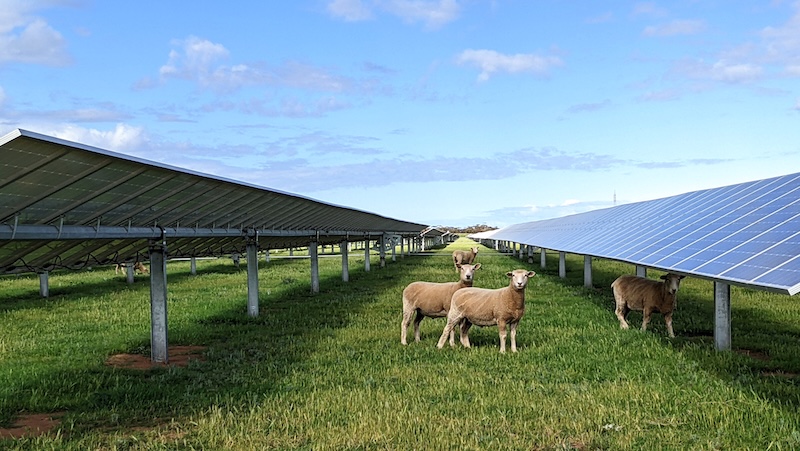
Addressing concerns about the potential loss of agricultural land, which was highlighted in nearly half of the submissions, the panel concluded that the project’s temporary effects on farming in the area are minimal, affirming that there are “no discernible obstacles” preventing the site from being used for agrisolar activities.