Acen Renewables Reports Earnings Decline Despite Increased Solar Output
Acen Renewables, the owner of two of Australia’s largest solar farms and based in the Philippines, has indicated a drop in earnings for the 2025 calendar year, even though its output has nearly doubled.
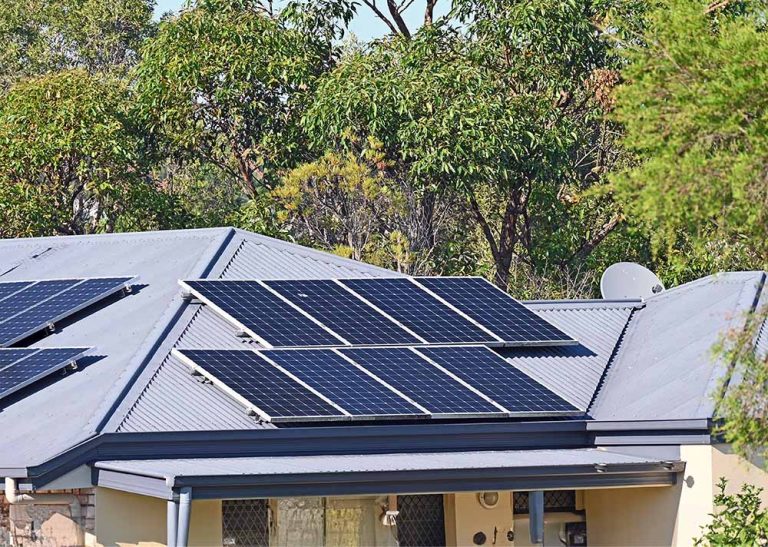
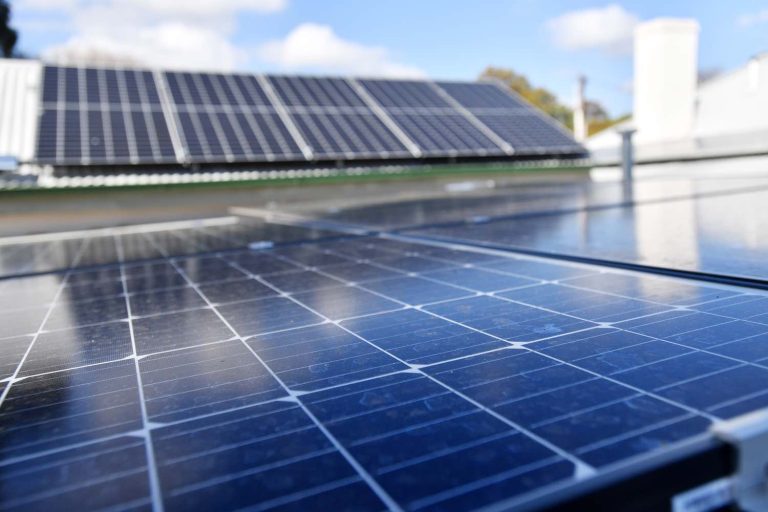
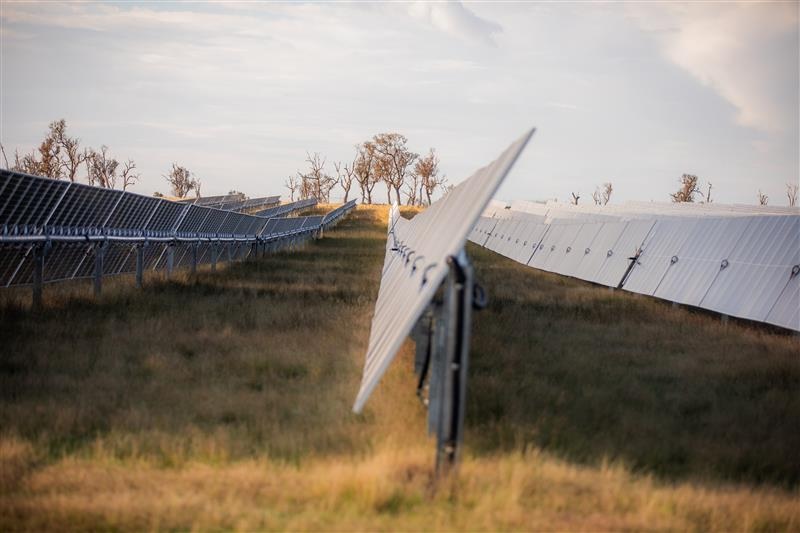
The company operates the New England solar farm, which is currently being expanded from 400 MW to 720 MW, and has recently completed the 400 MW Stubbo solar farm. These developments contributed to a remarkable 84 per cent increase in output from its Australian operations, reaching 1,440 gigawatt hours in the past year.
Revenue and Earnings Performance
Nevertheless, revenues from Australia only saw a slight increase of 11 per cent, bringing in P2.7 billion (approximately $A64.2 million). In contrast, the earnings from Australian operations (measured on an EBITDA basis) fell by 7 per cent to P1.7 billion (around $A40.4 million).
The decline in earnings has been attributed to lower spot prices, which averaged about $45 per megawatt hour during the year, as well as the expensing of previously capitalised operational and construction costs.
Expansion Plans and Future Projects
Acen operates in several Asia-Pacific nations, including the Philippines, India, and in parts of southeast Asia, with Australia swiftly becoming its largest contributor in terms of output. This trend is expected to continue as Acen embarks on new projects.
Currently, the company is working on the construction of a 200 MW, 400 MWh battery installation next to its existing solar farms, anticipated to be completed in the first half of 2027.
Additionally, Acen is developing multiple wind, solar, battery, and pumped hydro projects, with the most promising being the 930 MW Valley of the Winds project in New South Wales. This project has secured a federal underwriting agreement but is currently entangled in legal complications involving a neighbouring landowner.
Regulatory Approvals and Environmental Considerations
The company also has federal approval for the Robbin Island wind project in Tasmania, which exceeds 900 MW. However, it is facing several appeals from local environmental organisations and must submit an acceptable management strategy to the federal government to mitigate impacts on migratory bird populations.
According to Eric Francia, Acen’s president and CEO, “Acen faced numerous macroeconomic and sector-specific challenges in 2025, which highlight the complexities within the current energy landscape and the long-term energy transition.” He added that despite these challenges, both the core business and long-term outlook remain robust. Acen is committed to enhancing its contracted capacity and increasing investments in energy storage while making consistent progress on its project pipeline.
Innovative Circularity Initiatives
Notably, last year, the Stubbo solar farm became the first large-scale renewable energy project to achieve certification for solar circularity, indicating that nearly a million solar panels are expected to be recycled at the end of their lifecycle. This project has received an “Exceeds” rating from the Circular PV Alliance, the creator of the world’s first certification framework for solar initiatives, due to its implementation of circular economy practices that go beyond the standard requirements.
Your support is vital to independent media and accurate information. Consider making a one-off donation or becoming a regular supporter of Renew Economy.