50% of South Australian Homes Now Equipped with Rooftop Solar
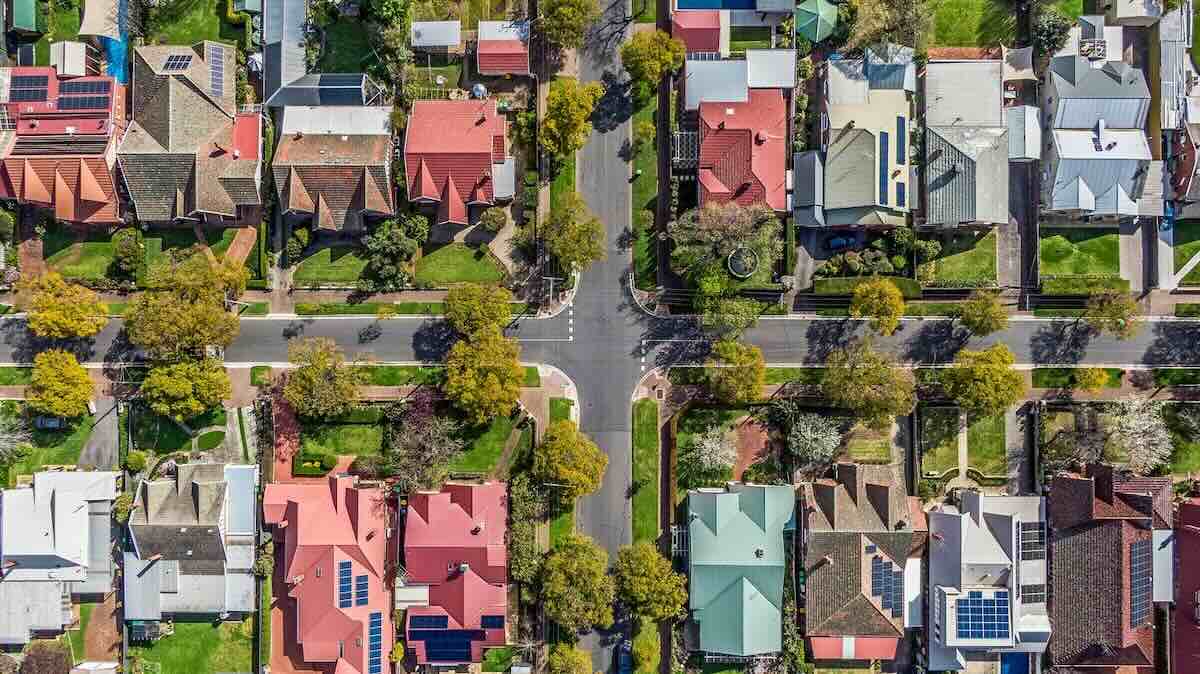
The head of the distribution network responsible for delivering electricity to customers in South Australia, a leader in renewable energy, has announced that half of the state’s households now have rooftop solar panels installed.
South Australia is at the forefront of wind and solar energy adoption, boasting a remarkable 75 per cent share over the past year, with an ambitious goal of achieving 100 per cent “net” renewables by the end of 2027. The term “net” indicates that the state plans to export excess energy while importing it as needed.
Challenges of Rooftop Solar Integration
One of the challenges faced by the local grid is the significant amount of rooftop solar energy, which at times has matched the state’s total electricity demand. This has led to issues related to “minimum demand,” and even negative demand, which other state networks are beginning to encounter as well.
Andrew Bills, the head of SA Power Networks, has noted that the trend of increasing rooftop solar installations shows no signs of slowing down. “We’ve just reached the milestone of 50 per cent of households in South Australia having rooftop solar,” he shared during a recent episode of Renew Economy’s Energy Insiders podcast. “In fact, it has increased by 4% in just the last couple of months, and this trend is continuing.”
Innovative Solutions for Grid Reliability
South Australia’s pioneering approach to rooftop solar has necessitated innovative strategies to maintain a reliable, safe, and secure grid. Initially, the state implemented a “big red button” system that allowed for the disconnection of household solar when necessary. This has since evolved into a system of “flexible exports,” which generally lifts restrictions on solar exports but retains the ability to limit rooftop solar output during peak times.
Bills remarked, “The South Australia story illustrates how we’ve had to innovate to thrive and lead globally in operating a network predominantly powered by renewables, including rooftop solar at times.” He emphasised the importance of adapting to current circumstances while planning for future growth in solar energy.
The Impact of Household Batteries and Consumer Energy Resources
The rapid installation of household batteries is set to transform the grid dynamics, with Bills noting that approximately 100 batteries are being installed daily in South Australia, largely due to the federal government’s popular battery rebate scheme. Additionally, the rise of electric vehicles and other consumer energy resources will further complicate the landscape.
However, the rollout and management of these innovations face challenges due to strict regulatory frameworks governing Australia’s main grid. While networks like SA Power Networks aim to innovate, they are often restricted from extending their reach beyond the meter box without special permissions to install neighbourhood batteries, EV chargers, and generation facilities.
Market Dynamics and Regulatory Challenges
The dominant generation and retail companies in Australia’s electricity market are fiercely defending their positions, complicating the networks’ efforts to introduce necessary innovations. Despite this, the networks are advocating to become “distributed system operators,” which they argue would provide them with greater insight and control over the deployment of consumer energy resources, ultimately benefiting consumers through enhanced efficiencies.
Bills pointed out, “Technology is advancing at a pace that outstrips the market and regulatory frameworks established in the 1990s when competitive markets were first introduced.” He highlighted that the current technological landscape is reshaping the supply chain, altering the operational boundaries for network monopolies.
This creates a tension regarding how networks can access and manage the generation and storage capabilities present within homes, prompting discussions on the most economical approaches for all stakeholders involved.
For a deeper dive into the insights shared by Andrew Bills, you can listen to the full interview on the latest episode of the Energy Insiders podcast.