$21 Million Grant Revives Pilbara Wind, Solar, and Hydrogen Hub Project
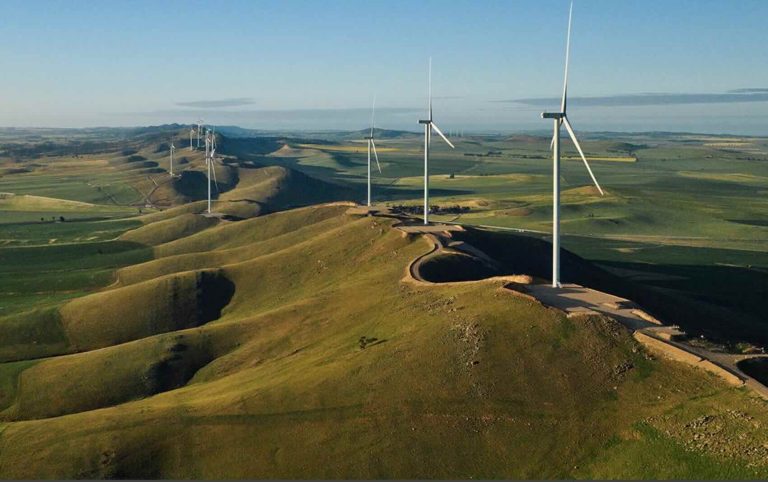
Plans are back on track for a colossal renewable energy hub in Western Australia, spanning 6,500 square kilometres within the Pilbara region and featuring up to 26 gigawatts of wind, solar, and green hydrogen facilities. This revival comes just six months after the project was set aside by the global oil and gas giant BP.
The Australian Renewable Energy Hub (AREH), now fully owned and developed by InterContinental Energy, has recently secured a $21 million grant from the Australian Renewable Energy Agency (Arena) to assist with the transition to green iron production in the area.
Support from the Government Following BP’s Withdrawal
This funding from the federal government follows BP’s retreat from the project last July, which was part of a comprehensive “strategy reset” aimed at scaling back involvement in green energy globally. Consequently, InterContinental Energy has taken charge as the sole developer of this ambitious venture, claiming that, when operational, it could generate up to 1.6 million tonnes of green hydrogen or 9 million tonnes of green ammonia each year.
The initial phase of the project includes the establishment of 1 GW capacity for wind and solar energy, complemented by a small-scale hydrogen production facility capable of approximately 150 megawatts (MW) located at Port Hedland.
Next Steps for the Australian Renewable Energy Hub
InterContinental Energy announced on Tuesday that the Arena grant will facilitate further detailed studies related to the technical, economic, and regulatory aspects of the AREH. The company is aiming for a final investment decision by 2028, with initial power generation expected in 2030.
According to a company statement, these studies will concentrate on the production of green hydrogen at Boodarie, near Port Hedland, along with the integration plans with industrial partners, as well as considerations regarding environmental, water, and cultural heritage factors.
Confidence in the Project’s Viability
Isaac Hinton, InterContinental Energy’s Australia Head, expressed confidence in the project despite last year’s significant shift in its ownership. He highlighted that the Australian government and Arena conduct thorough due diligence before disbursing such funding. “It’s the most permitted project of its kind in the Pilbara, in terms of environmental approvals,” Hinton remarked, noting that options to lease Crown land and an Indigenous Land Use Agreement are in place.
He elaborated, saying, “The next two years will be focused on refining the engineering and addressing value engineering for the renewables aspect—this is a substantial component of the Arena grant. Additionally, we aim to advance the hydrogen production facility at Boodarie and work through the pre-feed stage.”
Looking Ahead After BP’s Exit
Reflecting on BP’s exit from the project, Hinton indicated that it was more a result of BP’s internal direction rather than any shortcomings in the AREH’s fundamentals. He noted BP’s proclaimed “strategy reset” was an effort to hone in on their upstream oil and gas operations while moving forward with increased discipline in transition investments.
Hinton articulated a distinct vision for these extensive projects, stating that the 26 GW isn’t just a single entity but rather consists of approximately 20 smaller initiatives to be developed over two decades. He mentioned other projects, such as the proposed 70 GW Western Green Energy Hub located in the far southeast of WA’s Goldfields region, which is showing promising progress with early-stage ammonia off-takes and environmental approvals.
Seeking Partner Investment for Future Success
While InterContinental Energy is enthusiastic about reclaiming control and reviving the AREH, Hinton also stressed the necessity for future investors to sustain such a massive project. “A mega project like this requires partners moving forward, and we are always open to discussions with potential investors,” he stated.
He affirmed the company’s expertise in the design and construction of the project, however noted, “Government investment in the hydrogen sector is crucial to attract private investment, but we must not rely solely on governmental solutions to overcome challenges like cost.”